Delhi High Court dismisses PIL seeking probe into lathi charge during CJP protests
Source Entity
Sohini Ghosh
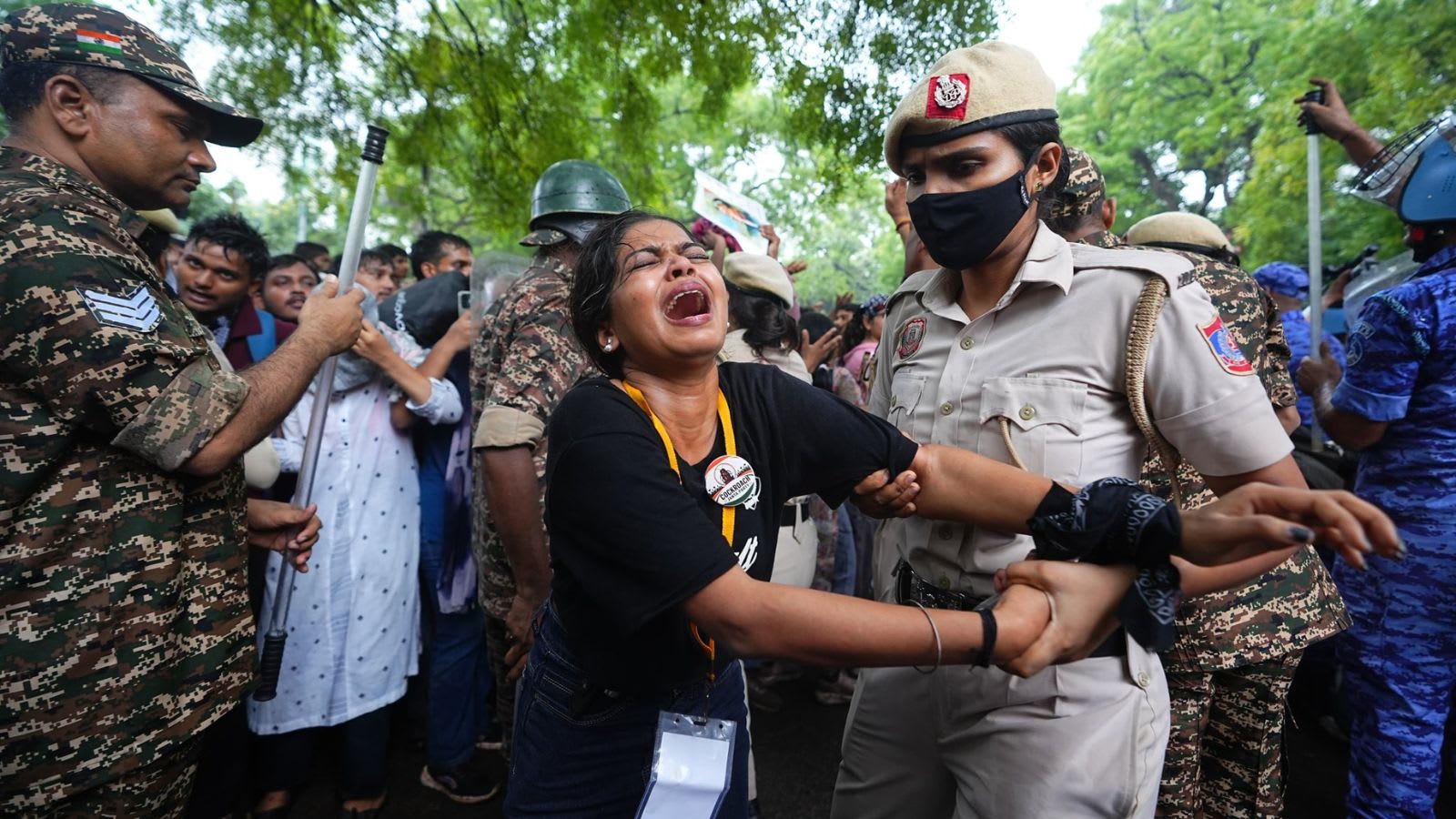
The Delhi High Court has dismissed a PIL demanding an investigation into alleged police lathi charges against Cockroach Janta Party protesters. The court criticized the petitioner for filing litigation based on media reports without sufficient evidence.
Delhi High Court Rejects PIL Over CJP Protest Lathi Charge Allegations
The Legal Stance on Public Interest Litigation
The Delhi High Court's recent dismissal of a Public Interest Litigation (PIL) serves as a critical reminder of the judiciary's threshold for intervening in administrative and police matters. By refusing to entertain the petition filed by Nitin Naresh, the division bench—comprising Chief Justice DK Upadhyaya and Justice Tejas Karia—reaffirmed that the court is not a forum for verifying claims derived solely from public discourse or media reports. The court’s oral remark, questioning whether every event that captures public imagination warrants a formal petition, highlights the judicial intent to prevent the misuse of the PIL mechanism for speculative fact-finding missions.
Context of the Alleged Incident
The petition centered on events involving student protesters from the Cockroach Janta Party (CJP) in the capital during July. The petitioner sought a judicial mandate for the Delhi Police and the Ministry of Home Affairs to preserve video footage and deployment records, arguing that contradictions in the public narrative necessitated an "official verification" of whether a lathi charge had occurred. This request sought to compel state machinery to act as a primary investigator based on the petitioner's concerns regarding transparency and accountability during protest management.
The Burden of Proof and Judicial Restraint
In the Indian legal system, the filing of a PIL requires a higher standard than mere curiosity or reliance on secondary reporting. The High Court’s reaction underscores the principle that the judiciary requires a substantive basis—rather than anecdotal or media-driven contradictions—before ordering the preservation of sensitive state documents or deployment records. By dismissing the plea, the bench signaled that the court will not substitute itself for internal administrative inquiry processes unless a clear, evidence-backed violation of rights is presented at the onset.
Broader Implications for Protest Policing
This case touches upon the delicate balance between the right to protest and the state's duty to maintain public order. The CJP protests in July represent a flashpoint in the city's political landscape, where student movements often intersect with law enforcement strategies. When allegations of excessive force, such as lathi charges, emerge, the demand for transparency is high. However, the court’s decision suggests that the remedy for such grievances lies in established administrative complaint procedures or internal departmental inquiries rather than immediate judicial intervention through PILs.
Future Outlook on Judicial Activism
Moving forward, this dismissal may serve as a deterrent against the filing of premature or speculative petitions regarding protest-related violence. While the judiciary remains the ultimate guardian of civil liberties, it is increasingly protective of its time and resources, demanding that petitioners exhaust reasonable investigative steps before seeking court-ordered discovery of police records. For activists and concerned citizens, this ruling emphasizes that if they intend to challenge state conduct, they must provide more than just digital contradictions; they must build a case that warrants the extraordinary intervention of the High Court.