‘Need a censor body’: RSS forms panel for curbs on OTT’s ‘cultural pollution’
Source Entity
Shyamlal Yadav
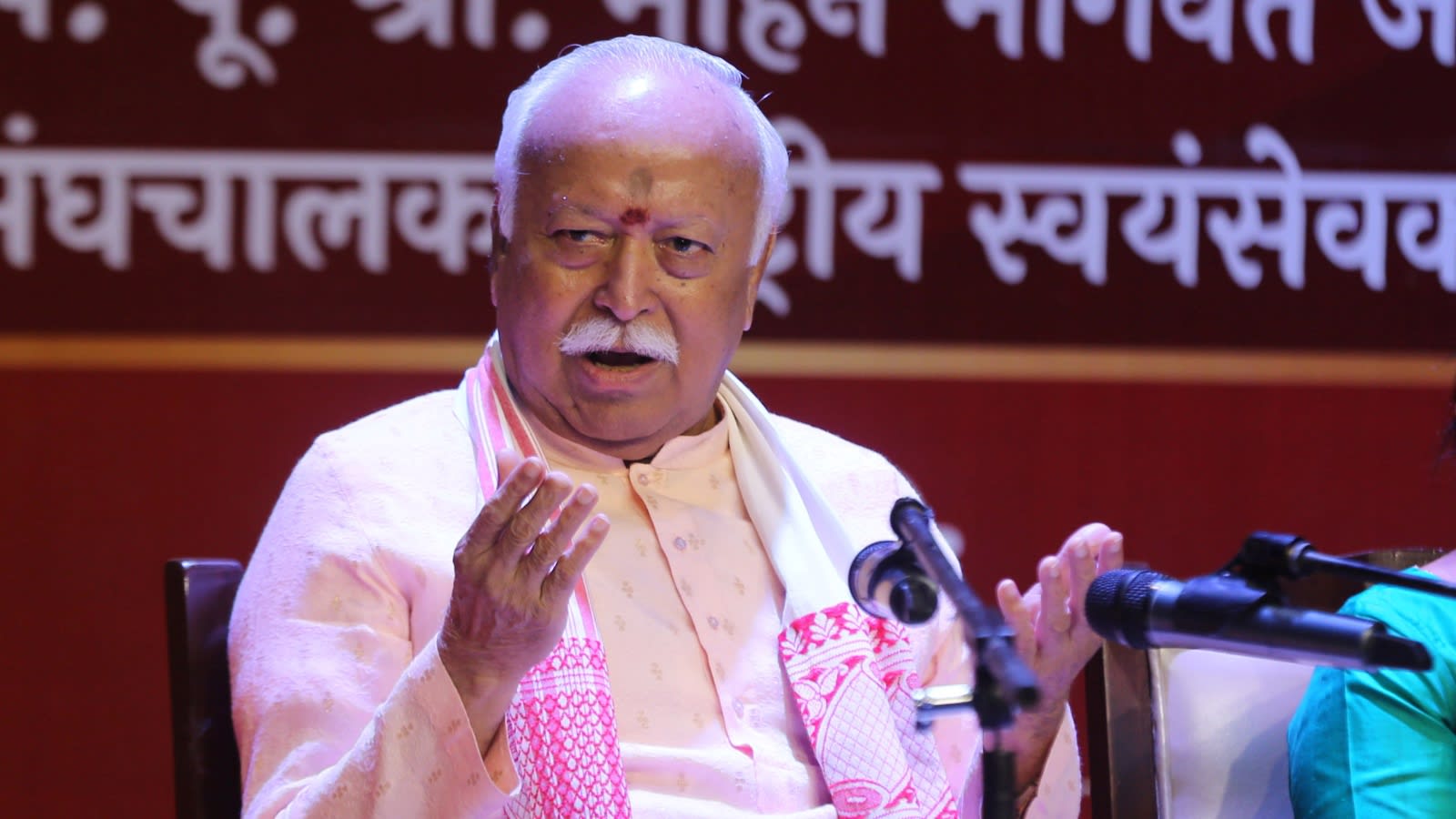
The RSS has formed an informal panel to address concerns over alleged 'cultural pollution' on OTT platforms. The group plans to submit recommendations to the Union government for potential regulatory curbs.
The RSS Initiative on OTT Regulation
Recent reports indicate that the Rashtriya Swayamsevak Sangh (RSS) has established an informal panel tasked with addressing what the organization characterizes as "cultural pollution" on Over-the-Top (OTT) streaming platforms. This move follows commentary from RSS sarsanghchalak Mohan Bhagwat, who previously identified digital content as a primary driver of "moral corruption" in society. The formation of this internal study group signals a renewed focus by the Sangh on the intersection of digital media consumption and societal values.
Composition and Scope of the Panel
The panel, which has been operational for several months, draws its membership from a diverse pool of experts, including former vice-chancellors and dedicated pracharaks with backgrounds in education and cultural studies. By leveraging these specific demographics, the RSS aims to provide a structured academic and cultural critique of contemporary streaming content. The group successfully held its inaugural meeting last month, marking the transition from ideological concern to active policy formulation.
The Path Toward Regulatory Change
The primary objective of this informal collective is to draft a formal proposal regarding the regulation of video streaming services. Once finalized, these recommendations are slated to be submitted to the Union Ministry of Culture and other key central government stakeholders. This structured approach suggests that the RSS is seeking to influence national media policy by providing a roadmap for how the state might address content deemed harmful to traditional cultural values.
Understanding 'Cultural Pollution'
At the heart of this initiative is the subjective concept of "cultural pollution." For the RSS, this term encompasses content that deviates from established social norms or traditional cultural narratives. By seeking to mitigate this perceived trend, the organization is positioning itself as a guardian of public morality in the digital age. This mirrors broader global debates regarding the responsibility of tech platforms to moderate content that may be considered offensive or socially destabilizing.
Broader Implications for Digital Media
The move reflects a growing tension between the rapid, often unfiltered nature of global OTT platforms and the desire for localized cultural preservation. As streaming services continue to dominate the entertainment landscape in India, the push for a "censor body" or stricter oversight could fundamentally alter the creative freedom currently enjoyed by production houses and digital creators. The outcome of this initiative will likely serve as a barometer for how the Indian government navigates the balance between creative expression and cultural sensitivities in the coming years.