House set to pass sweeping Russia sanctions bill honoring Lindsey Graham
Source Entity
US Top News and Analysis
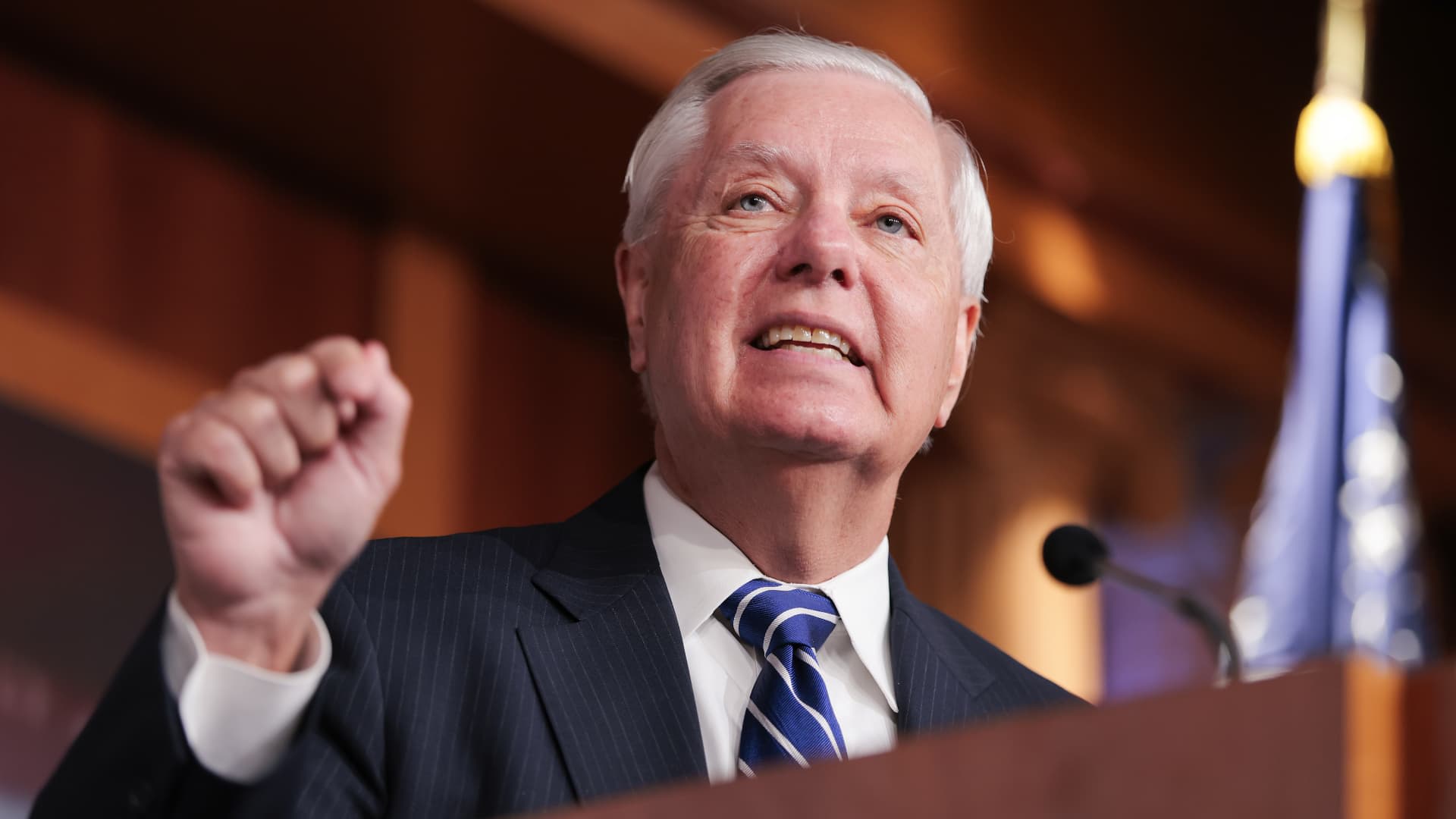
The U.S. House is set to pass the Lindsey O. Graham Sanctioning Russia and Iran Act of 2026, aimed at curbing Russia's war funding. The bill grants the President authority to impose significant tariffs on major buyers of Russian energy.
Legislative Momentum for the Lindsey O. Graham Act
The U.S. House of Representatives is poised to pass the Lindsey O. Graham Sanctioning Russia and Iran Act of 2026, a landmark piece of legislation that seeks to intensify economic pressure on Russia. This bill, which originated from the late Senator Lindsey Graham, represents a significant bipartisan effort to address the ongoing geopolitical instability caused by Russia’s full-scale invasion of Ukraine. By moving toward a final vote, Congress is signaling a firm commitment to utilizing economic leverage as a primary tool of foreign policy.
Targeting the Economic Lifelines of Conflict
The core objective of this legislation is to disrupt the flow of capital that sustains the Russian military machine. By targeting the revenue generated from the sale of crude oil and natural gas, the bill aims to strike at the heart of Russia’s war funding. Historical precedent suggests that sanctions, while complex to implement, are viewed by policymakers as an essential mechanism for curtailing the financial capacity of nations engaged in prolonged offensive military operations.
Expanding Executive Authority and Tariff Implementation
A critical component of the bill is the delegation of authority to President Donald Trump to impose tariffs as high as 100% on specific trading partners. This provision specifically targets countries classified as top-tier purchasers of Russian energy, including major global economies like China and India. This approach marks a shift toward secondary sanctions, where the U.S. seeks to influence the behaviors of third-party nations by linking their economic engagement with Russia to their access to the American market.
Global Geopolitical Implications
The potential application of these tariffs creates a complex web of diplomatic challenges. Since major economies like China and India rely on energy imports to fuel their growth, the threat of 100% tariffs could significantly alter global trade dynamics. This legislation forces these nations to weigh the benefits of Russian energy procurement against the potential cost of losing favorable trade status with the United States, thereby escalating the stakes of the conflict beyond the borders of Eastern Europe.
Future Trends in Sanctions Policy
Looking forward, the passage of this bill indicates a future trend of increasingly aggressive economic statecraft. If signed into law, the act provides the executive branch with a powerful, albeit controversial, set of tools to enforce foreign policy objectives. Analysts expect that if these measures are enacted, they will lead to a period of intense diplomatic negotiation as the U.S. balances its security interests with the reality of interconnected global energy markets and supply chains.
Conclusion
The Lindsey O. Graham Sanctioning Russia and Iran Act of 2026 stands as a testament to the legislative intent to hold Russia accountable for its actions in Ukraine. By focusing on the intersection of energy markets and national security, the bill creates a robust framework for financial deterrence. As the bill moves to the President’s desk, the international community remains focused on how these measures will be implemented and the subsequent ripple effects on global energy trade and diplomatic relations.