The Secret Diplomacy That Led To Activist Manoj Jarange Ending 20-Day Fast
Source Entity
NDTV News Search Records Found 1000
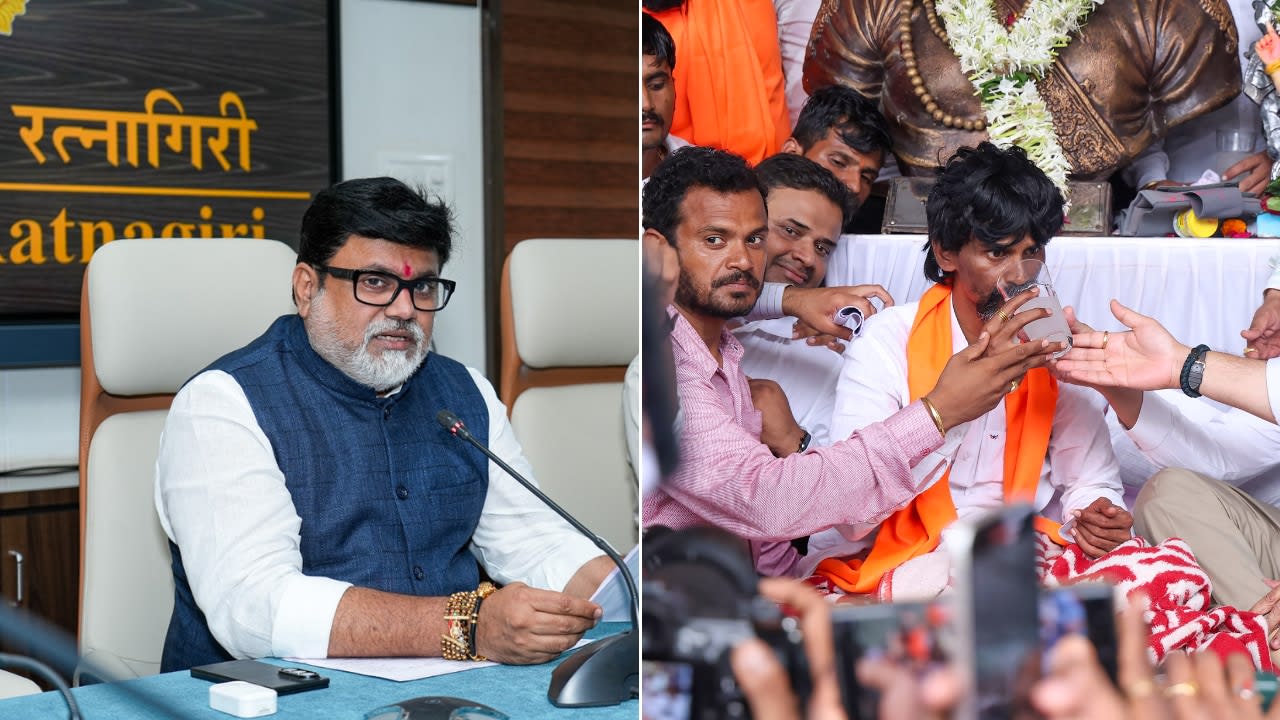
Maratha reservation activist Manoj Jarange is facing severe health complications, including dehydration and electrolyte imbalance, amid his ongoing hunger strike and march to Mumbai. Despite medical warnings urging hospitalization, Jarange remains determined to reach Azad Maidan by September 18, 2026.
The Toll of Agitation: Manoj Jarange’s Health Crisis
The ongoing agitation for Maratha reservation has reached a critical juncture as activist Manoj Jarange faces severe health deterioration. While en route to Mumbai to press for his demands, Jarange’s condition has become a focal point of concern, with medical professionals explicitly warning that his prolonged hunger strike coupled with extensive travel has pushed his body to the brink. As of September 16, 2026, Jarange is reporting a persistent burning sensation in his stomach and feet, symptoms that underscore the physical toll of his protest.
Medical Assessment and Risks
Civil Surgeon Dr. Satishkumar Solanke of the Beed district hospital has provided a stark medical assessment of the activist. According to the medical team, Jarange is suffering from severe dehydration and is at high risk of electrolyte imbalance. The lack of urine output noted by medical staff is a significant indicator of physiological distress, prompting urgent recommendations for hospitalization. Dr. Solanke has emphasized that relying solely on intravenous (IV) fluid administration is insufficient for someone undergoing the physical strain of such a high-stakes march.
The Strategic Dilemma of Treatment
Jarange has framed his medical predicament as a strategic maneuver against the government. He has publicly suggested that accepting medical treatment could lead to government complacency, while his refusal to treat his symptoms keeps the administration under pressure. This highlights the complex interplay between personal health and political optics in civil disobedience movements. Jarange’s insistence on continuing his march despite medical advice suggests that he views his physical sacrifice as an integral component of his bargaining power with the state authorities.
Shifts in the Protest Trajectory
Due to his deteriorating health, Jarange has been forced to adjust his itinerary. Having reached Patoda in the Beed district, he has indicated that the original plans to stop in Ahilyanagar’s Shrigonda region and Pune’s Hadapsar are now cancelled. Despite this, he remains steadfast in his goal to reach Azad Maidan in Mumbai by September 18, 2026. This recalibration of his movement reflects the logistical challenges of maintaining a mass-mobilization effort while the primary leader is physically incapacitated.
Legal and Political Pressures
The situation is further complicated by external legal challenges. Reports indicate that a petition has been filed in the Bombay High Court seeking to prevent the protest from taking place in Mumbai. This legal intervention adds a layer of uncertainty to an already volatile situation. As the government continues to engage with Jarange through draft proposals, the intersection of judicial oversight, public health crises, and political demands creates an environment where a resolution remains elusive.
Future Implications
As Jarange prepares to leave Beed, the coming days will be pivotal. Whether he can sustain his health long enough to reach his destination remains a significant question. His decision to review government drafts while maintaining his march indicates that he is keeping multiple channels of negotiation open. The outcome of this protest will likely depend on whether the state government can address the core reservation demands before the activist's health forces a total cessation of his activities.
Verification Required?