Allahabad HC seeks response from Centre, U.P. government on journalist Satyam Verma’s NSA detention
Source Entity
India Latest News: Top National Headlines Today & Breaking News | The Hindu
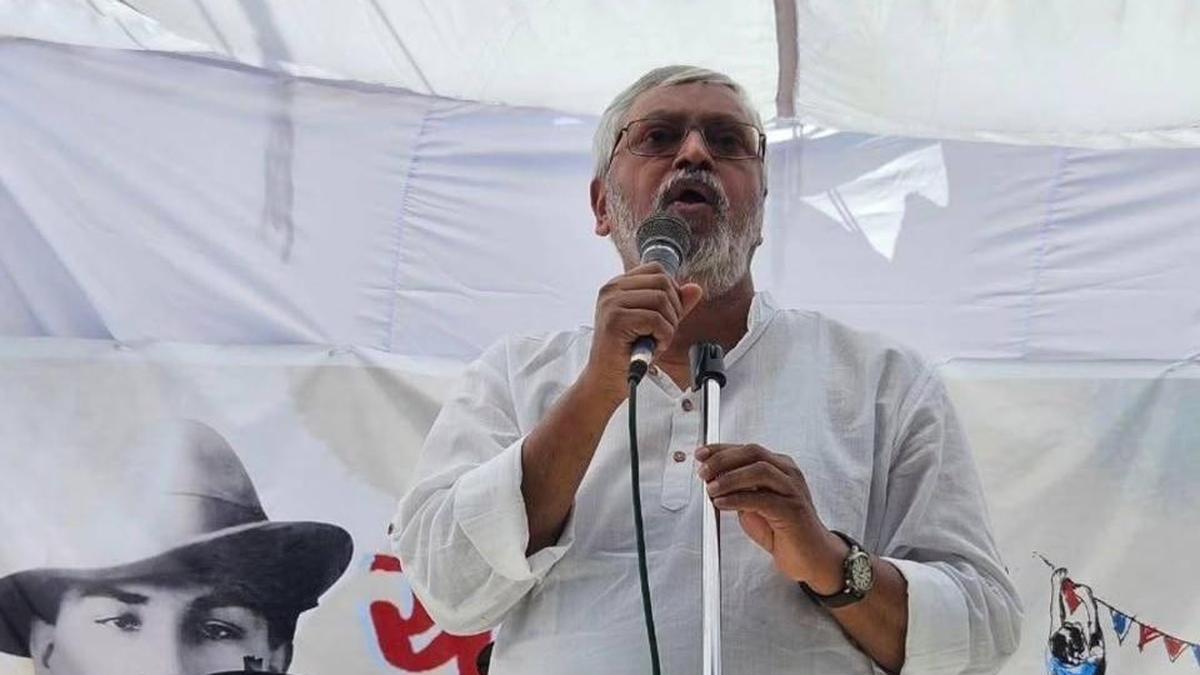
Freelance journalist Satyam Verma is challenging his NSA detention and seeking bail in connection with the April 2026 Noida workers' protest. The Allahabad High Court is currently reviewing his pleas, focusing on the principle of parity and the legality of his preventive detention.
Legal Challenges Facing Journalist Satyam Verma
The ongoing legal proceedings involving freelance journalist Satyam Verma have brought significant attention to the application of the National Security Act (NSA) and the principle of parity in bail jurisprudence. Verma, who faces 11 criminal cases, is currently contesting his preventive detention and seeking bail following his alleged involvement in the April 2026 workers’ protest in Noida.
The Principle of Parity in Bail Applications
At the heart of Verma's bail plea is the legal doctrine of 'parity.' Verma’s counsel argues that he should be granted relief because a co-accused in the same case was released on bail on June 23. The principle of parity, while a common feature of Indian criminal law, is not an absolute right. Courts are required to assess the individual role, criminal history, and specific circumstances of each accused before granting bail. The Allahabad High Court’s decision to defer the hearing to allow the state counsel to file objections highlights the complexity of determining whether 'parity' applies when individual roles differ.
Challenges to NSA Detention
Beyond his bail plea, Verma has filed a habeas corpus petition challenging his preventive detention under the National Security Act, 1980. The detention order, passed by the Gautam Buddh Nagar District Magistrate on May 12, is being contested by Verma on the grounds that he was not present at the site of the alleged violence. Furthermore, his legal team contends that the protest in question—which focused on the demand for minimum wages—did not constitute a threat to public order, thereby questioning the legal validity of invoking the stringent NSA.
Judicial Intervention and Oversight
A division bench of the Allahabad High Court, comprising Justices Atul Sreedharan and Achal Sachdev, has taken cognizance of these petitions. By issuing notices to the Union of India, the Uttar Pradesh government, and the District Magistrate, the court has signaled a commitment to examining the procedural adherence of the state authorities. The upcoming hearing on October 7 marks a critical juncture in determining whether the detention order meets the statutory requirements of the NSA.
Broader Implications for Media and Labor Rights
This case serves as a focal point for the intersection of press freedom, labor activism, and state security laws. The use of the NSA in the context of a labor protest raises significant questions regarding the proportionality of state responses to civil unrest. As the courts weigh the state's interest in maintaining public order against an individual's right to liberty and due process, the final rulings will likely set a precedent for how similar cases are handled in the future.
Looking Ahead
The legal trajectory of Satyam Verma’s case will depend heavily on the evidence presented by the state regarding his alleged role in the violence and the court's interpretation of whether the protest truly threatened national security. With hearings scheduled for both the bail plea and the habeas corpus petition in the coming weeks, the judiciary’s role as a check on executive power will be under intense scrutiny.
Multiple Citing Sources
Verification Required?