Sajad Lone criticises J&K reservation policy
Source Entity
Latest News: Todays Latest News Headlines from India & World | Hindustan Times | Hindustan Times
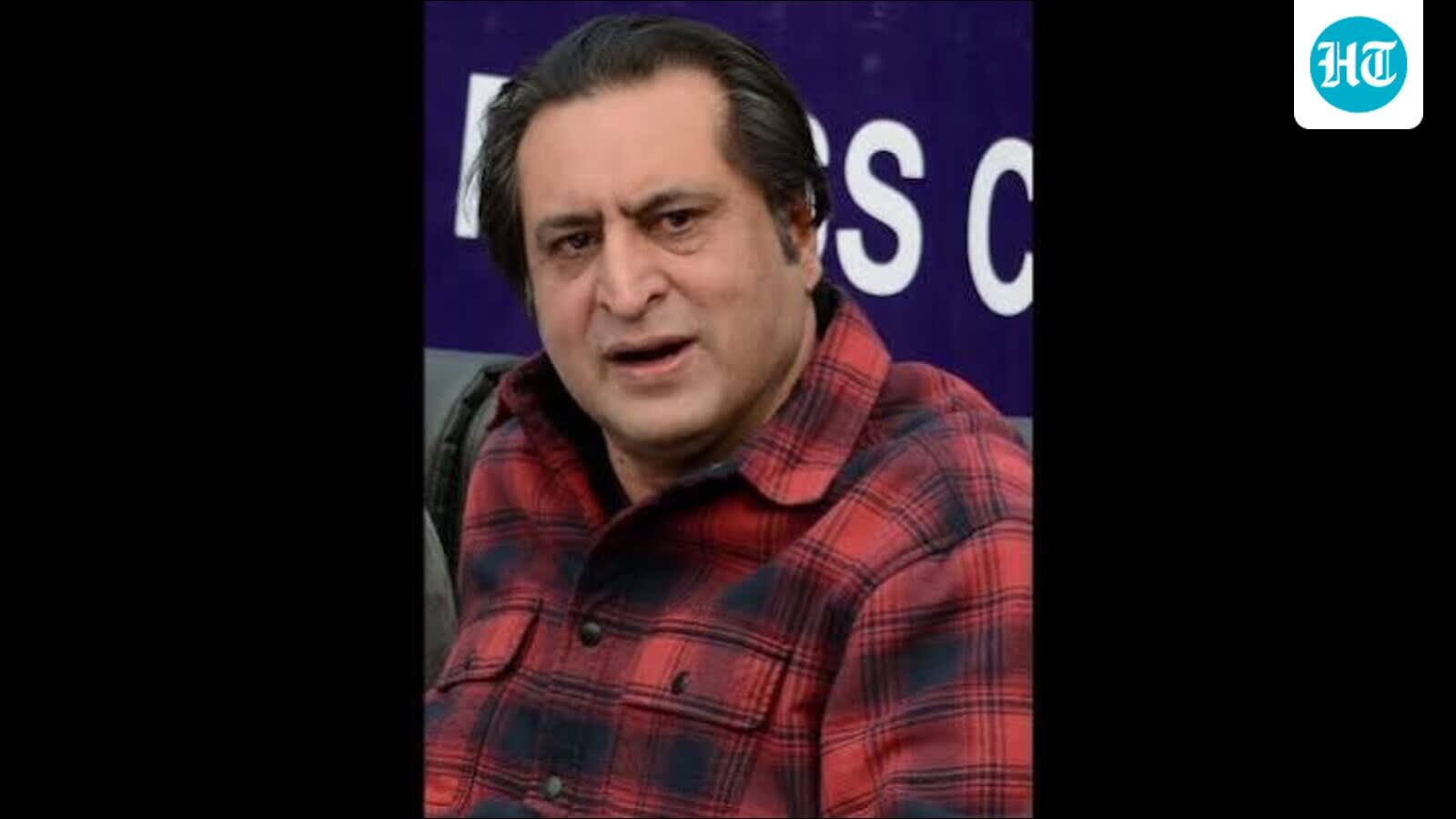
Sajad Lone and other J&K leaders have condemned the latest recruitment results for the JKAS and Accounts services, citing a severe underrepresentation of Kashmiri candidates. Critics argue the current reservation policy constitutes 'recruitment apartheid' that marginalizes the Valley's majority population.
Controversy Over J&K Recruitment Policies
Recent appointment orders for the Jammu and Kashmir Administrative Service (JKAS) and the J&K Accounts (Gazetted) service have ignited a significant political firestorm. During a formal event in Srinagar, Chief Minister Omar Abdullah distributed appointment letters to 55 successful candidates; however, the demographic breakdown of these selections—revealing that only 10 of the 55 officers hail from the Kashmir Valley—has drawn sharp condemnation from political figures, most notably People’s Conference president and Handwara MLA Sajad Gani Lone.
The Allegation of Recruitment Apartheid
Sajad Lone has characterized the current selection outcome as "recruitment apartheid." The core of this grievance lies in the statistical disparity between the Valley's demographic weight and its actual representation in the bureaucratic intake. With Kashmir accounting for approximately 56% of the Union Territory's population, the fact that the region received only 18% of the available positions has fueled allegations of a deliberate, calculated strategy to disempower and marginalize the inhabitants of the Valley.
Structural Discontent and Regional Tensions
The discontent is not limited to the People’s Conference. PDP MLA Muntazir Mehdi has joined the chorus of criticism, echoing the sentiment that the current reservation framework is fundamentally flawed. For many in the Valley, these appointments are seen as a continuation of a "Jammu versus Kashmir" divide, where the administrative machinery is perceived to be functioning in a manner that systematically disadvantages the Kashmiri population while favoring other regions under the guise of equity.
Political Implications of the Reservation Debate
This controversy underscores the precarious balance of power within the Union Territory. The reservation policy, which is intended to ensure social justice and balanced representation, is now being scrutinized as a tool for political and ethnic disenfranchisement. By framing the issue as an attempt to "disempower" the Valley, leaders like Lone are highlighting the deep-seated anxieties regarding the loss of local influence in the governance of the region following the transition to a Union Territory.
The Future of J&K Administrative Appointments
As the administration faces mounting pressure to justify these recruitment patterns, the debate is likely to intensify. The government now faces the challenge of reconciling the technical requirements of the Combined Competitive Examination with the political necessity of ensuring equitable representation across all regions of the Union Territory. Failure to address these concerns may further erode public trust in the recruitment process and deepen the regional divide that has long characterized Jammu and Kashmir's political landscape.
Conclusion
The current outcry serves as a critical indicator of the fragile political climate in Jammu and Kashmir. Whether these disparities are the result of systemic policy flaws or specific procedural outcomes, the perception of bias is now firmly entrenched. Moving forward, the administration will need to demonstrate transparency and fairness to mitigate the perception of "recruitment apartheid" and maintain the stability of the civil services as a neutral, representative institution.
Verification Required?