Rs 80 lakh of diverted CREST funds used to buy Goa property: CBI
Source Entity
Sukhbir Siwach
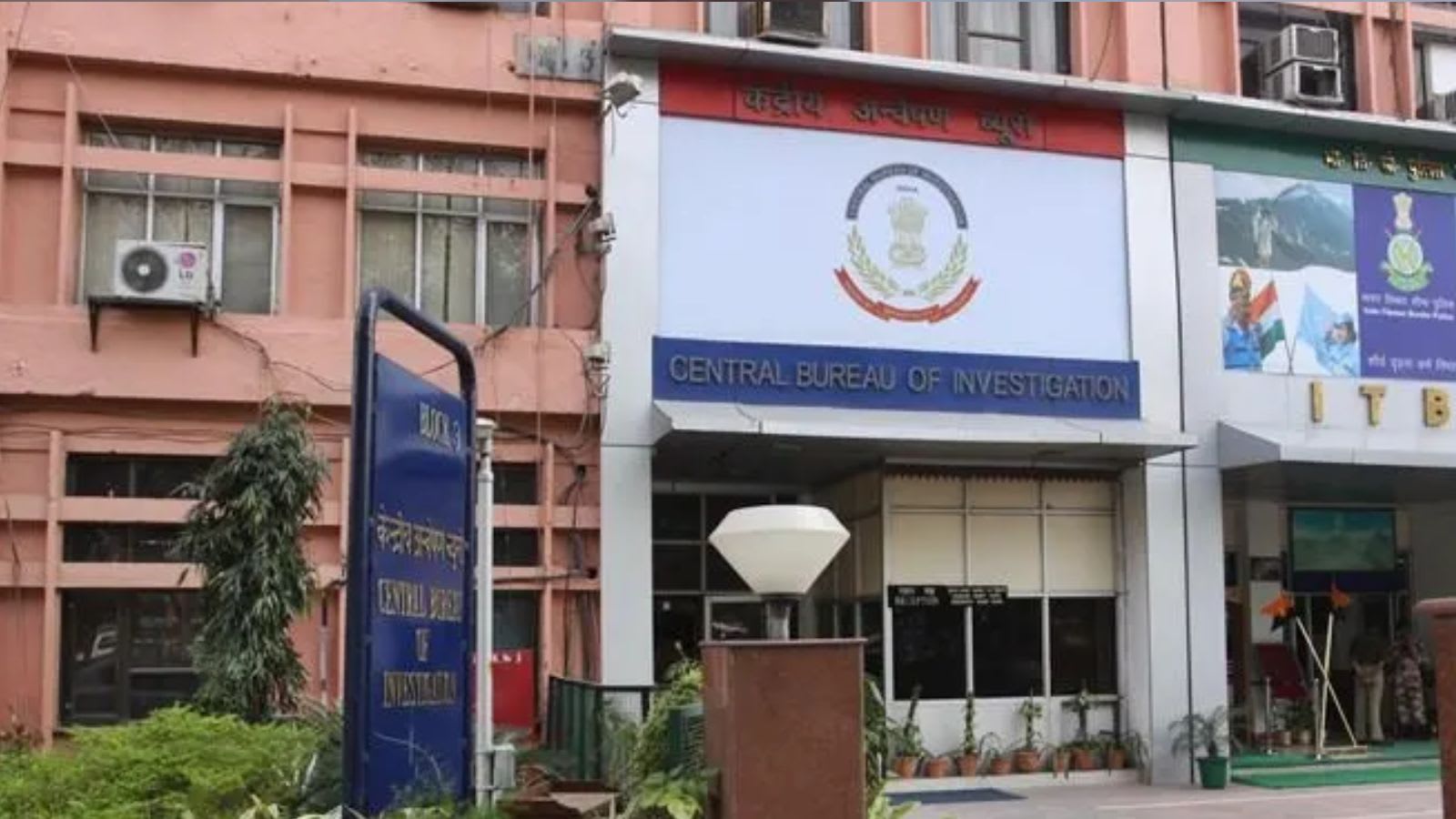
The CBI has charged IFS officer Navneet Kumar Srivastava and his wife for allegedly diverting Rs 75.4 crore from the Chandigarh Renewable Energy and Science and Technology Promotion Society. A portion of these funds was reportedly used to purchase property in Goa under a shell company.
Investigation into CREST Financial Mismanagement
The Central Bureau of Investigation (CBI) has leveled serious allegations against Navneet Kumar Srivastava, an Indian Forest Service (IFS) officer and former CEO of the Chandigarh Renewable Energy and Science and Technology Promotion Society (CREST). According to a chargesheet filed before a Special CBI court in Chandigarh on September 11, the agency claims that a staggering Rs 75.4 crore was misappropriated from the society, a significant portion of which was funneled through illicit channels.
The Role of Shell Entities
At the heart of the prosecution's case is Vipam Consultancy Pvt Ltd, a firm where the officer’s wife, Anupam Srivastava, serves as a director and majority shareholder. The CBI alleges that this entity maintained no genuine business dealings with CREST, functioning instead as a conduit for the diversion of public funds. Investigators discovered that Rs 80 lakh—out of a total of Rs 95 lakh identified as diverted from the society’s coffers—was utilized to purchase immovable property located in Canacona, Goa.
Implications of Public Fund Misuse
This case highlights a critical vulnerability in the management of government-funded autonomous bodies like CREST. When high-ranking officials leverage their positions to siphon resources meant for renewable energy and scientific promotion into personal assets, it undermines public trust in administrative integrity. The use of a family-linked consultancy to mask the flow of money reflects a sophisticated attempt to launder proceeds of crime, necessitating a rigorous audit of similar organizations.
Legal and Administrative Consequences
The filing of the chargesheet against both Navneet Kumar and Anupam Srivastava marks a pivotal turn in the ongoing investigation. As an IFS officer, Srivastava is subject to stringent civil service conduct rules, and the current CBI probe suggests potential violations that go beyond mere administrative negligence into criminal corruption. The court’s handling of this matter will serve as a bellwether for how the judiciary addresses the intersection of public office and private financial gain.
Broader Context and Future Trends
This investigation is part of a larger, systemic crackdown on financial irregularities within government agencies in India. The pattern of diverting funds into real estate, as seen in the Goa property purchase, is a common trend identified by federal agencies in white-collar crime investigations. Moving forward, authorities are likely to implement stricter oversight mechanisms, including mandatory beneficial ownership disclosures for contractors and vendors dealing with government societies, to prevent the recurrence of such misappropriations.
Conclusion
In summary, the allegations against the Srivastavas underscore the persistent challenge of corruption within public institutions. With the CBI having established a clear link between the diverted CREST funds and the acquisition of private property, the legal proceedings will now focus on the recovery of the misappropriated Rs 75.4 crore. The outcome of this case will undoubtedly have significant implications for the transparency standards expected of officers overseeing public development funds.