The data-center backlash is so fierce that Republican candidates are willing to cross Trump
Source Entity
Victor Reklaitis
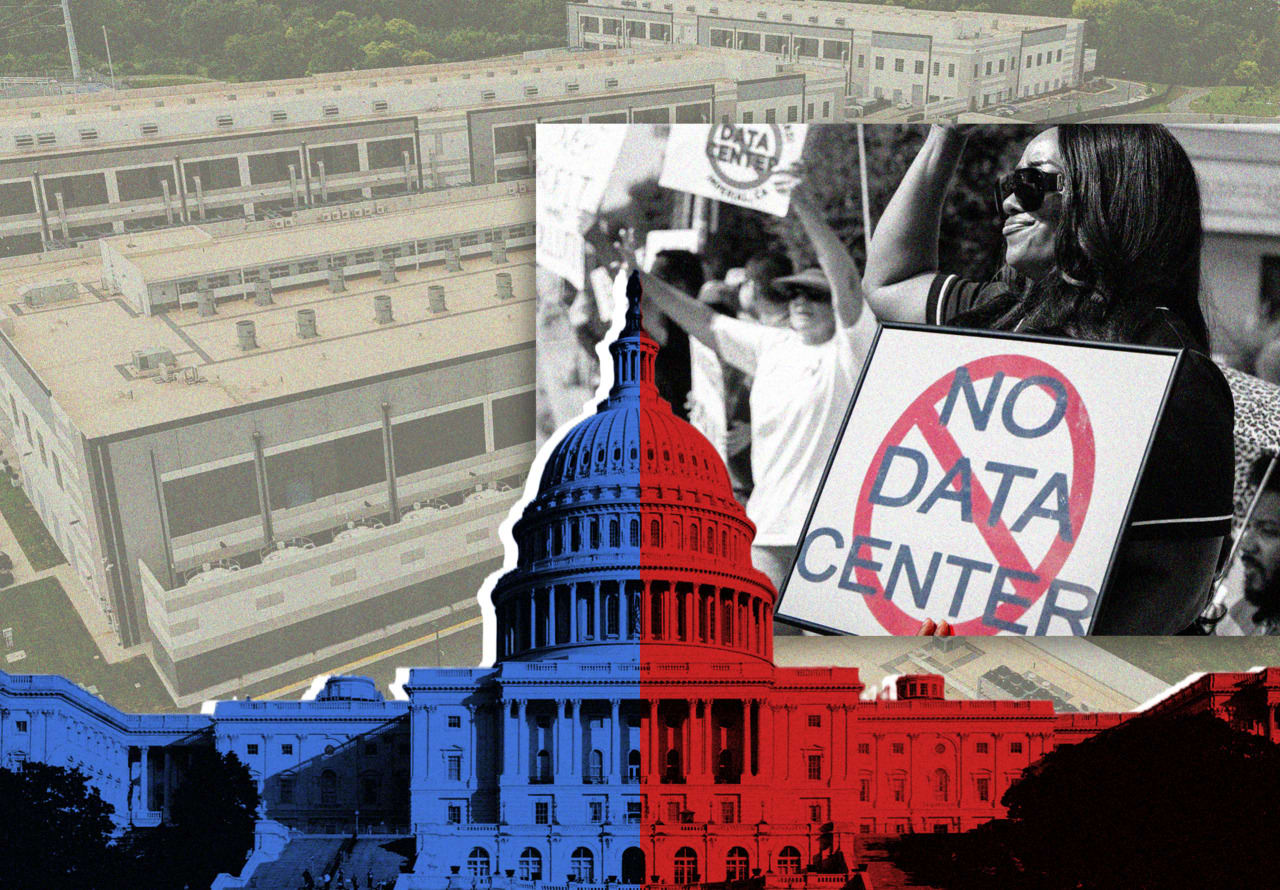
Republican candidates are distancing themselves from Donald Trump's pro-data-center stance to appeal to local voters concerned about infrastructure impact. This shift highlights a growing tension between national GOP policy and localized grassroots environmental or zoning concerns.
The Growing Divide: Data Centers and Republican Strategy
Recent political developments have revealed a striking divergence between national Republican leadership and candidates campaigning in tight midterm races. While former President Donald Trump has remained a vocal and consistent proponent of data center expansion—viewing it as essential infrastructure for the modern digital economy—GOP candidates on the ground are increasingly adopting a more cautious or outright oppositional stance. This friction underscores the complexities of balancing high-level party platforms with the immediate, visceral concerns of local electorates.
The Impact of Localized Backlash
The resistance to data centers is largely rooted in local grievances, including concerns over massive electricity consumption, the strain on regional power grids, and the aesthetic or environmental impact on residential communities. For candidates in competitive districts, these issues are not theoretical; they are daily talking points raised by constituents. By breaking with Trump’s pro-industry position, these candidates are attempting to insulate themselves from local backlash, demonstrating that even within a party that prizes alignment, local political survival often necessitates a pivot away from national narratives.
Strategic Divergence from National Policy
This trend represents a pragmatic shift in GOP campaign strategy. In many suburban or semi-rural districts, the promise of "economic growth" associated with data centers is being outweighed by the reality of noise pollution, water usage for cooling systems, and potential utility rate hikes for nearby residents. Candidates are recognizing that sticking strictly to the Trump-backed "pro-business" script may be a political liability in areas where the physical presence of these facilities is perceived as a direct threat to quality of life.
Historical Context and Institutional Tension
Historically, the Republican Party has championed deregulation and industrial expansion as hallmarks of economic vitality. However, the data center debate highlights a rare instance where the party’s traditional platform clashes with the "NIMBY" (Not In My Backyard) sentiment that has increasingly permeated local politics across the ideological spectrum. This tension suggests that as digital infrastructure becomes more physically intrusive, the party may struggle to maintain a unified national policy that satisfies both big-tech interests and local grassroots voters.
Future Trends and Political Fallout
Looking ahead, this fracture points toward a potential evolution in how Republican candidates handle industrial development. If candidates continue to find success by defying the party line on data centers, we may see a more localized approach to infrastructure policy, where candidates prioritize specific regional impacts over blanket national support. The ability of these candidates to maintain their standing within the party while simultaneously opposing a policy backed by its leader will serve as a key indicator of how much autonomy local GOP chapters can exercise in the coming election cycles.
Verification Required?