Jantar Mantar out as protest hub; 3 new venues named
Source Entity
ABHAY
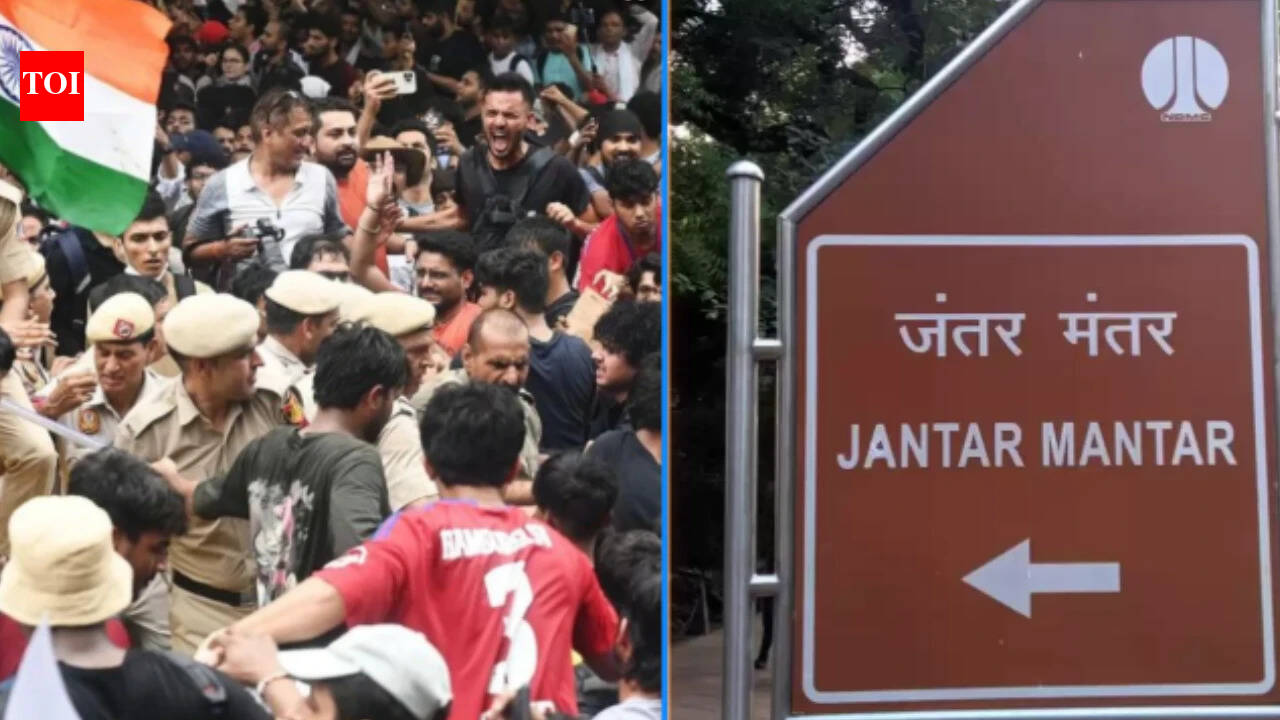
The Delhi High Court is reviewing the de-notification of Jantar Mantar as a protest site after the MHA designated three new venues. The court's involvement follows concerns over the lack of accessible protest spaces and reports of harassment during recent demonstrations.
The De-notification of Jantar Mantar: A Shift in Delhi's Protest Landscape
On October 12, 2026, the administrative landscape of dissent in India's capital underwent a significant transformation. The Ministry of Home Affairs (MHA), acting on the recommendations of a specially constituted committee, officially de-notified Jantar Mantar as a designated site for protests and demonstrations. In its place, the government has authorized three alternative venues: Ramlila Ground in Central Delhi, Burari Ground in North Delhi, and the CBD Ground in East Delhi. This decision marks the end of an era for a site that has long served as the symbolic heartbeat of public grievance in New Delhi.
Legal Challenges and Judicial Intervention
The transition has not occurred without legal friction. Following the announcement, a petition was brought before the Delhi High Court, presided over by Acting Chief Justice Nitin Wasudeo Sambre and Justice Sanjay Sharma. The petitioners argued that the closure of Jantar Mantar, without providing a sufficiently accessible or viable alternative, effectively quells the constitutional right to peaceful protest. While the High Court declined an immediate hearing on Monday, October 12, it scheduled the matter for October 13, acknowledging the complexity of the situation while noting that the Supreme Court is already seized of broader related matters.
The Role of Security and Public Order
The rationale behind this shift appears rooted in a desire to balance public order with democratic expression. The MHA’s decision, communicated via Delhi Police Commissioner Anurag Kumar, follows a period of heightened activity at the site, including protests organized by groups like the Cockroach Janta Party (CJP). The government's move to relocate demonstrators to peripheral areas like Burari and CBD Ground suggests a strategic effort to minimize traffic congestion and urban disruption, which have historically been major concerns for authorities managing protests in the dense Central Delhi area.
Concerns Over Accessibility and Harassment
A secondary but equally critical legal challenge involves allegations of safety and security at protest sites. Concurrent with the petition regarding the site's closure, the High Court agreed to hear a separate plea alleging that "outsiders" infiltrated recent protests to harass demonstrators. This complaint highlights a growing tension between the right to assemble and the state's responsibility to protect those exercising that right. The court’s willingness to hear this issue underscores the judiciary's role in ensuring that even as protest venues are relocated, the fundamental safety of citizens remains a non-negotiable priority.
Broader Implications for Democratic Dissent
The move away from Jantar Mantar reflects a broader global trend where urban centers are increasingly regulated to prevent the disruption of daily economic and social life. However, critics argue that moving protests to designated grounds far from the corridors of power—the seat of government—dilutes the visibility and impact of these demonstrations. The effectiveness of the new sites at Ramlila, Burari, and the CBD Ground will likely be measured by their ability to provide citizens with a platform that is both orderly and impactful.
Future Outlook and Judicial Oversight
As the Delhi High Court prepares to hear these petitions on October 13, the case stands as a litmus test for the balance between administrative regulation and the democratic right to dissent. Future trends suggest that the judiciary will continue to play a pivotal role in refining the "time, place, and manner" restrictions placed on public assemblies. Whether the new sites prove to be adequate replacements or sources of further litigation will depend on how the government manages the transition and whether it can guarantee the safety and rights of protesters at these new, more peripheral locations.
Multiple Citing Sources