Mehbooba Mufti opposes motorable boulevard on western side of famous Dal Lake
Source Entity
India Latest News: Top National Headlines Today & Breaking News | The Hindu
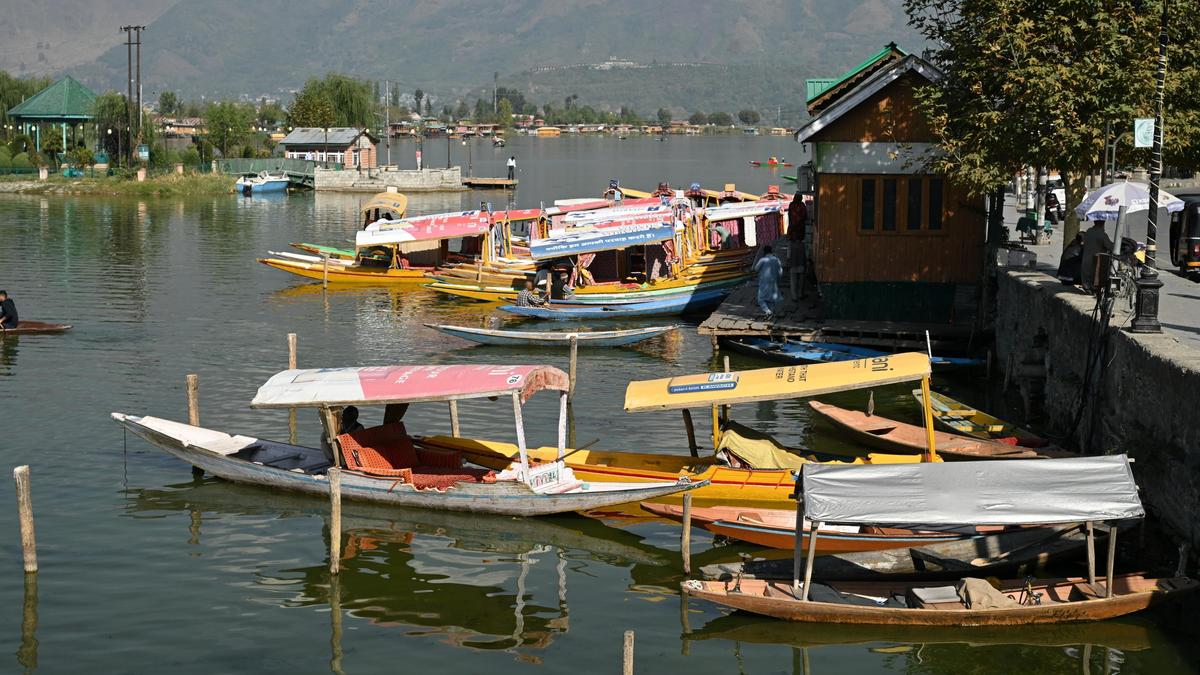
PDP chief Mehbooba Mufti has publicly opposed a proposed motorable boulevard along the western shore of Dal Lake. She argues the project threatens the ecological sanctity of Nigeen Lake and serves political interests rather than environmental preservation.
The Tug-of-War Over Srinagar's Ecological Heritage
On October 12, 2026, a significant political and environmental debate emerged in Kashmir as Peoples Democratic Party (PDP) president Mehbooba Mufti voiced strong opposition to a proposed infrastructure project. The proposal, championed by National Conference (NC) legislator Tanvir Sadiq via a private member's Bill, seeks to construct a motorable boulevard along the western foreshore of Dal Lake, stretching from Hotel Mamta to Habbak via Cherry Park.
Environmental Concerns vs. Infrastructure Development
At the heart of the disagreement lies the tension between urban development and environmental conservation. Ms. Mufti has framed the project not as a necessary upgrade for tourism, but as a potential catalyst for ecological degradation. By specifically highlighting the threat to the tranquillity of Nigeen Lake—a vital, quieter component of the Dal ecosystem—she has tapped into long-standing concerns regarding the over-urbanization of Srinagar’s water bodies.
The Political Dimensions of Public Works
Beyond the environmental arguments, the opposition from the PDP highlights deep-seated political friction in the region. Ms. Mufti characterized the proposal as a 'deliberate attempt to mislead' and a 'vote-bank agenda.' By accusing the government of sacrificing Cherry Park for political appeasement, she is framing the ruling National Conference’s development initiatives as short-sighted measures designed to curry favor with specific constituencies at the expense of long-term sustainable planning.
The Role of Regulatory Oversight
While the Tourism Department has reportedly developed the proposal to enhance visitor access, the pushback underscores a lack of consensus on how to balance tourism growth with environmental safeguarding. The fact that the proposal was introduced as a private member's Bill suggests that the debate is moving into the legislative arena, where the merits of connectivity will be weighed against the potential loss of public green spaces and the disruption of fragile lakeside habitats.
Implications for Future Urban Planning
This incident serves as a bellwether for future development projects in the Kashmir Valley. As the region continues to experience pressure from both increasing tourist numbers and local urbanization, the demand for 'ecological protection' is likely to become a central pillar of opposition rhetoric. The outcome of this specific dispute will likely set a precedent for how future infrastructure projects are evaluated, particularly those that impact iconic natural landmarks.
Conclusion: A Call for Sustainable Stewardship
Ultimately, the controversy surrounding the Western Foreshore Road project reflects a critical juncture for Srinagar. The debate underscores that any future development must prioritize the delicate balance between modern convenience and the preservation of the region's natural heritage. Whether the government proceeds with the boulevard or pivots toward preserving the area as an ecopark remains to be seen, but the discourse clearly indicates that environmental stewardship has become a potent political issue in contemporary Kashmiri politics.
Verification Required?