H-1B visa update: Why Indian workers could face fresh checks despite previous approvals
Source Entity
Latest News: Todays Latest News Headlines from India & World | Hindustan Times | Hindustan Times
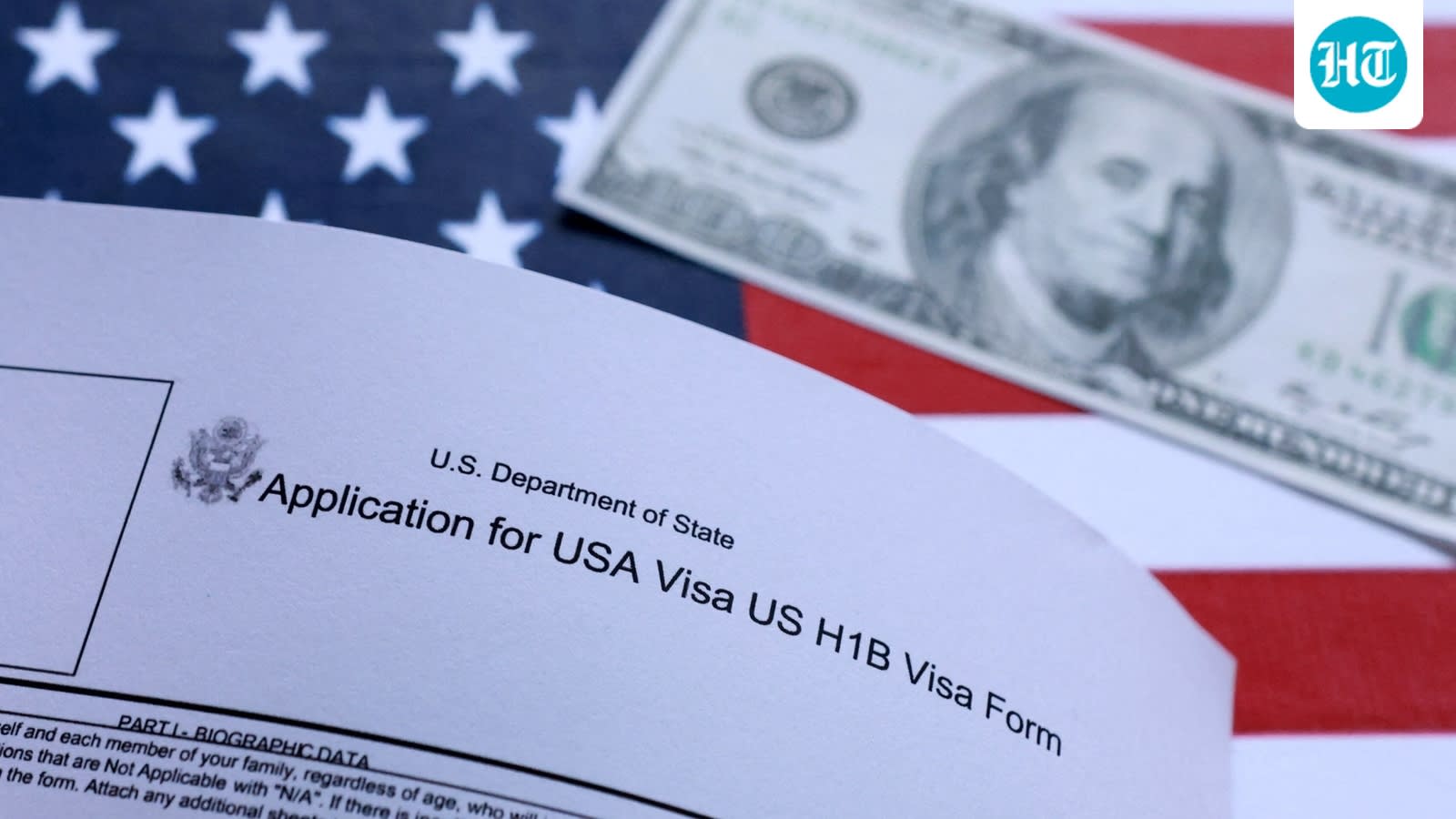
The DHS has proposed removing the policy of deference for H-1B visa renewals, requiring USCIS officers to reassess eligibility rather than relying on past approvals. This shift could increase uncertainty and processing times for Indian IT professionals working in the U.S.
The Shift in H-1B Adjudication Policy
The Department of Homeland Security (DHS) has initiated a significant regulatory pivot by proposing the removal of the long-standing policy of "deference" in employment-based visa adjudications. Historically, USCIS officers have generally deferred to prior approvals when reviewing extension petitions for H-1B visa holders, provided there were no material changes in the underlying facts. By eliminating this requirement, the administration aims to grant officers broader discretion to conduct a de novo review of every petition, effectively treating each extension as a brand-new application.
Implications for Indian IT Professionals
Indian nationals, who constitute the largest share of H-1B visa recipients, are likely to bear the brunt of this policy change. The professional landscape for these workers is characterized by frequent project transitions and renewals; under the new proposed framework, every renewal cycle could become a potential point of failure. This creates a climate of persistent uncertainty, as workers may face rigorous scrutiny for credentials or job roles that were previously deemed acceptable by federal authorities for years.
Administrative Hurdles and Processing Delays
According to analysis from immigration experts like Fragomen, the removal of deference is expected to result in a surge of Requests for Evidence (RFEs). Because USCIS officers will be mandated to reassess eligibility from scratch rather than relying on historical data, the administrative burden on both the agency and the petitioner will increase substantially. This shift threatens to lengthen processing times significantly, potentially disrupting business continuity for technology companies that rely on a steady, predictable supply of global talent.
The Administration's Stated Rationale
This proposal is framed within the broader context of the current administration’s efforts to reform the H-1B program. The stated objective is to combat what the government describes as the systemic misuse of the visa system by major technology corporations. Proponents of the change argue that more stringent oversight is necessary to ensure that the H-1B program does not facilitate the displacement of American workers, suggesting that previous "rubber-stamping" of renewals allowed for potential abuses of the system to go unchecked.
Public Comment and Future Outlook
The proposal, published in the Federal Register on October 14, 2026, is currently in the public comment phase, which concludes on November 13, 2026. While the policy has not yet taken effect, its introduction signals a hardening stance on immigration enforcement. If finalized, this rule would represent a fundamental change in how the U.S. manages high-skilled labor migration, moving away from a presumption of compliance toward a model of constant, rigorous re-verification that mirrors the administration’s restrictive approach to broader immigration policy.
Verification Required?