Medical boards can’t cut disability percentage of NEET-UG candidates: Delhi High Court
Source Entity
Somya Panwar
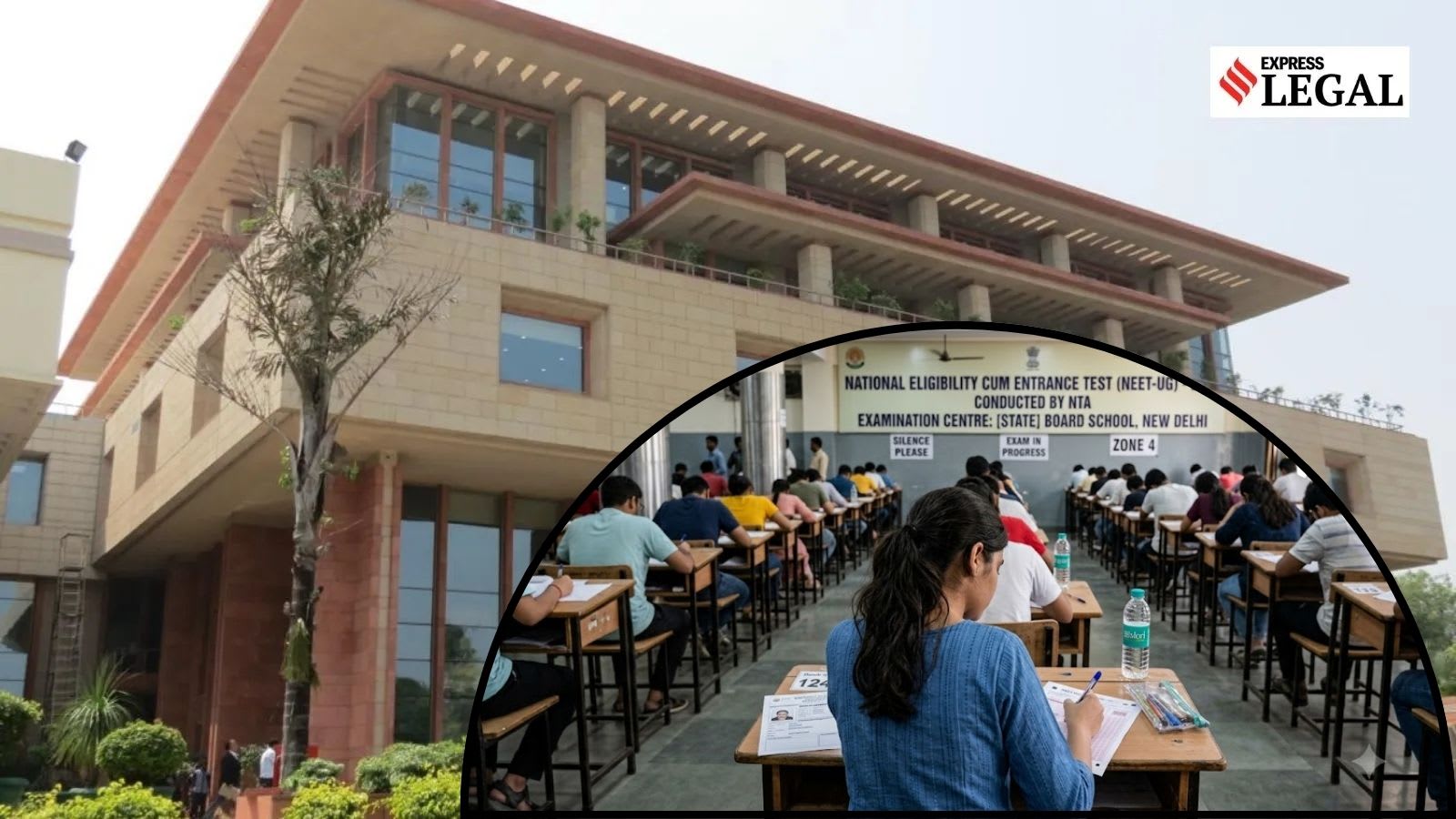
The Delhi High Court ruled that medical boards cannot reduce the disability percentage of NEET-UG candidates if it is already verified by a UDID card. This decision ensures that boards focus solely on functional competency rather than re-evaluating established disability status.
Delhi High Court Protects Disability Status for NEET-UG Candidates
The Delhi High Court has delivered a landmark ruling regarding the eligibility assessment process for NEET-UG candidates, specifically those living with benchmark disabilities. By declaring that medical boards lack the authority to reduce a candidate's disability percentage below the established 40 percent threshold, the court has reinforced the legal weight of the Unique Disability ID (UDID) card. This intervention serves to protect students who faced the risk of disqualification due to administrative re-evaluations that contradicted their official government-issued documentation.
Limiting the Scope of Medical Assessment Boards
Justice Jasmeet Singh’s judgment clarifies the jurisdictional boundaries of Medical Assessment Boards. The court observed that these boards are tasked with a specific, narrow mandate: assessing a candidate’s 'functional competency' to pursue medical education. By overstepping this role to re-litigate the clinical percentage of a disability, these boards were effectively undermining the authority of the agencies that issue UDID cards, creating an redundant and discriminatory layer of bureaucracy for disabled students.
The Integrity of the UDID System
The court’s reasoning highlights the importance of institutional trust. Justice Singh remarked that if medical boards were permitted to unilaterally alter disability percentages, the UDID card would be reduced to a 'mere paper formality.' This ruling preserves the integrity of the UDID as a standardized, authoritative record, ensuring that students do not have to undergo multiple, conflicting assessments for the same condition, which could otherwise lead to undue stress and potential exclusion from higher education.
Addressing Barriers to Medical Education
For many students with disabilities, the path to an MBBS degree is fraught with systemic hurdles. This ruling acts as a critical safeguard, ensuring that the legal recognition of their disability—as codified in the UDID system—is respected throughout the admissions process. By restricting medical boards to evaluating only the functional capability of a candidate, the court has affirmed that the focus should remain on the student's aptitude rather than the administrative invalidation of their disability status.
Broader Implications and Future Trends
Looking forward, this decision will likely force a standardization of how medical boards interact with candidates across all professional entrance exams in India. It sets a precedent that discourages arbitrary re-assessment, potentially leading to more streamlined and empathetic admission protocols. As the educational landscape becomes increasingly digitized, the reliance on centralized, authoritative identifiers like the UDID is expected to grow, and this judgment serves as a robust defense of that centralized authority against inconsistent local-level interventions.
Conclusion
In summary, the Delhi High Court's ruling is a significant victory for inclusivity in medical education. By curbing the overreach of assessment boards and upholding the sanctity of the UDID card, the court has provided much-needed clarity for future NEET-UG candidates. This ensures that the admissions process remains equitable, respecting the legal documentation of disabled students and keeping the focus squarely on their academic and functional potential.