‘We need IDs in case something happens’: For Delhi’s homeless, a fight to stay on voter rolls
Source Entity
Devansh Mittal
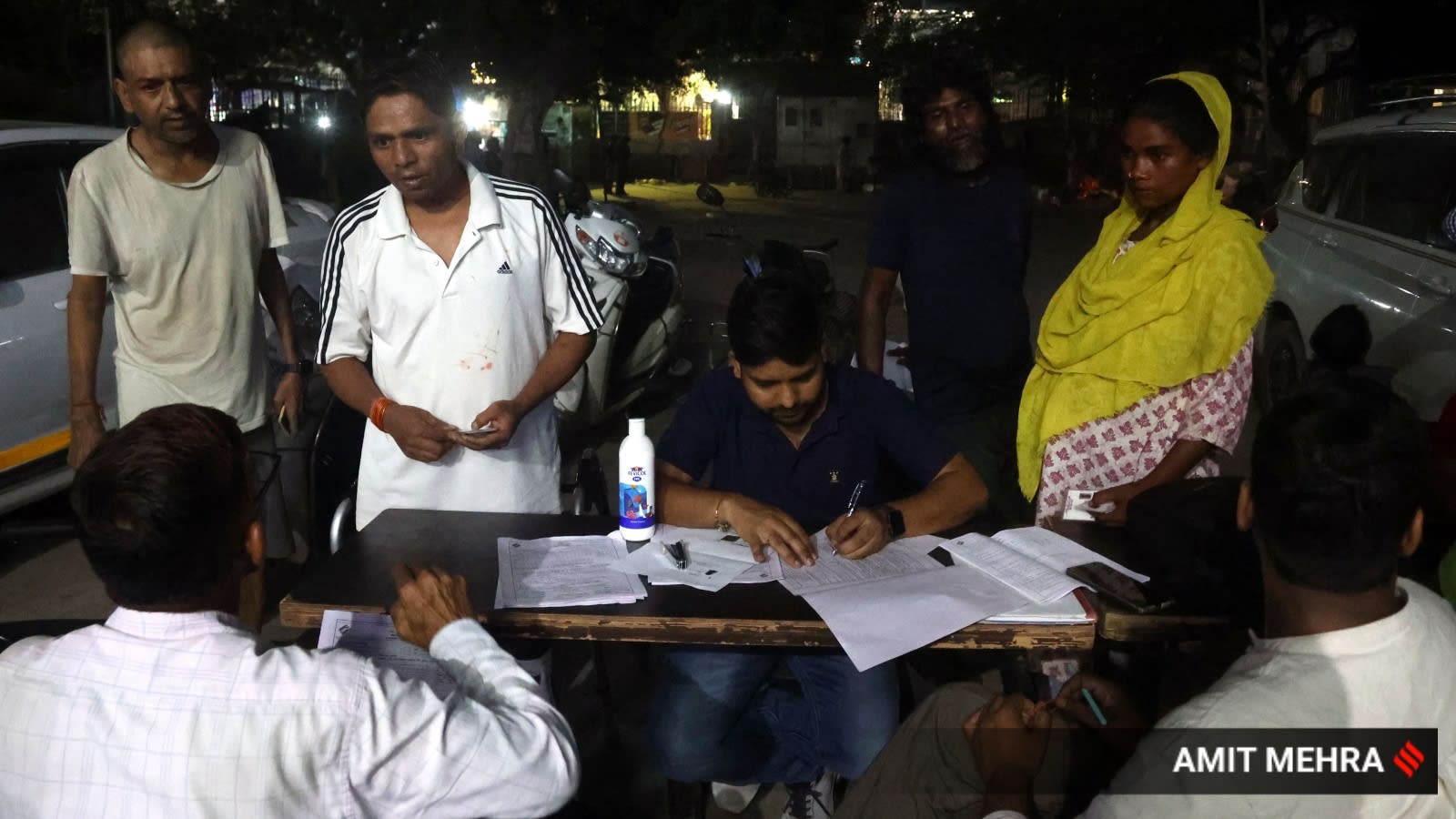
Delhi’s homeless population faces systemic challenges in maintaining voter registration, as highlighted by recent special revision drives at the Sarai Kale Khan night shelter. These efforts seek to bridge the gap for marginalized citizens who often struggle to provide the necessary documentation to remain on electoral rolls.
The Struggle for Electoral Inclusion in Delhi
At the Sarai Kale Khan night shelter in Delhi, the intersection of urban poverty and democratic participation is being tested. As evening falls, the daily routine of laborers and families is briefly interrupted by the presence of Booth Level Officers (BLOs) conducting a Special Intensive Revision (SIR) drive. This scene highlights the precarious nature of civic identity for those living on the fringes of society, where basic survival often takes precedence over administrative requirements.
The Administrative Barrier to Voting
For individuals like Meena Devi, a 40-year-old resident of the shelter, the administrative burden of proving one's identity is a significant hurdle. The receipt of an SIR notice, which flags a lack of linked details to previous electoral rolls, underscores the difficulty homeless populations face in maintaining continuous voter status. Without a permanent address or stable documentation, even the most essential right of a citizen—the right to vote—becomes a fragile privilege.
The Role of BLOs in Marginalized Communities
The deployment of BLOs, typically comprised of teachers and bank officials, directly into the shelter environment represents a targeted effort to rectify gaps in the voter database. While these officials often face logistical challenges, such as traffic delays, their presence is essential for ensuring that the marginalized are not effectively disenfranchised by bureaucratic requirements that assume a level of stability not afforded to the homeless.
Broader Implications for Democracy
The situation at Sarai Kale Khan is a microcosm of a larger issue in Indian democracy: the inclusion of the vulnerable. When voter rolls are updated through intensive revisions, the success of the process depends on the state’s ability to reach those who lack the traditional markers of residency. If these individuals are purged from the rolls due to an inability to provide updated documentation, the resulting electoral data becomes skewed, failing to represent the most impoverished segments of the population.
Future Trends and Policy Needs
Moving forward, the government must balance the need for accurate electoral roll maintenance with the reality of homelessness. Relying on paper-based notices and physical verification at temporary shelters is a start, but it remains a labor-intensive and often inconsistent process. Future trends likely point toward the need for more flexible identification verification processes that account for the unique living conditions of shelter residents, ensuring that their voice remains a part of the national political discourse.
Conclusion
The fight for inclusion on voter rolls by Delhi’s homeless population serves as a poignant reminder that democratic participation is not merely a given, but a hard-fought achievement. By addressing the barriers faced by residents at shelters like Sarai Kale Khan, officials can ensure that the electoral process remains truly representative of all citizens, regardless of their housing status.