41 Structures Razed, 61 Properties Sealed In Delhi After Hostel Collapse
Source Entity
NDTV News Search Records Found 1000
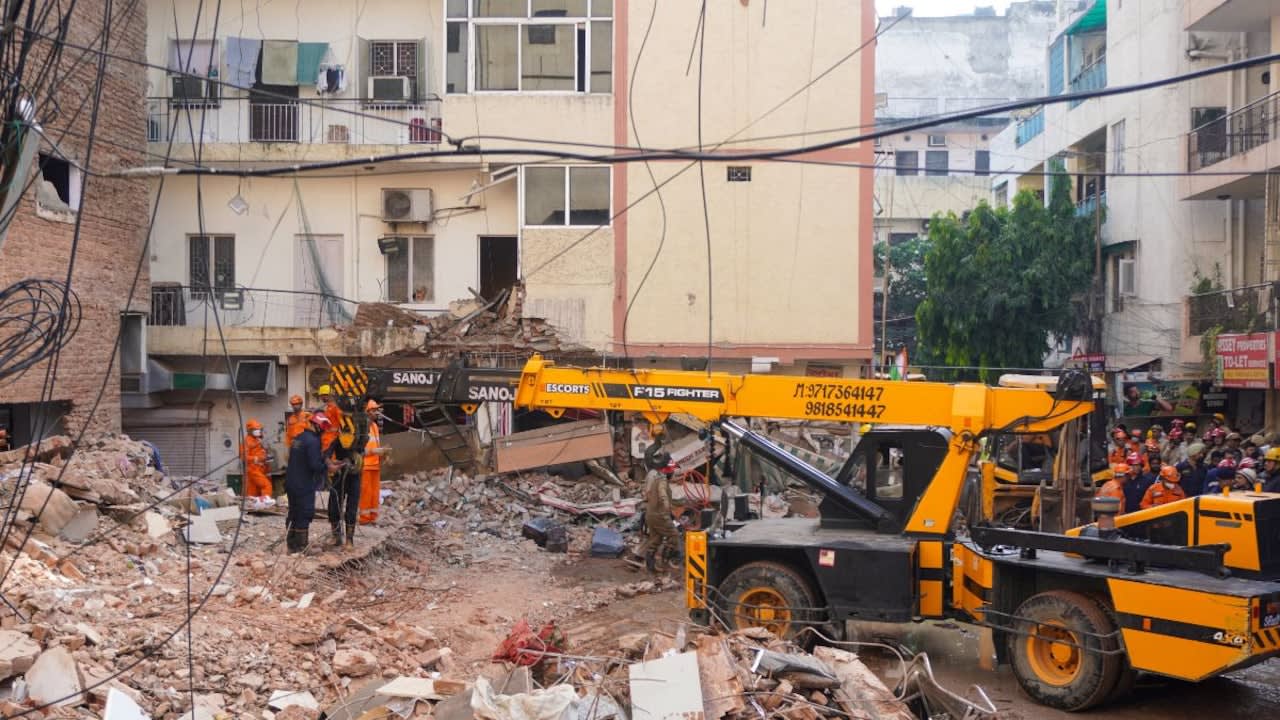
Authorities in Delhi have razed 41 structures and sealed 61 properties following a tragic hostel collapse. This enforcement drive highlights ongoing safety concerns regarding building regulations in the capital.
Delhi Crackdown: Safety Enforcement Following Hostel Collapse
The Immediate Aftermath of the Tragedy
Following a recent and devastating hostel collapse in Delhi, municipal authorities have launched an aggressive enforcement campaign targeting illegal and unsafe structures across the city. The operation resulted in the demolition of 41 unauthorized structures and the formal sealing of 61 properties. This swift regulatory response serves as a direct intervention intended to mitigate further risks to public safety in densely populated urban zones.
Analyzing the Enforcement Mechanism
This latest drive, which gained momentum following initial enforcement actions conducted on Wednesday, represents a significant escalation in urban planning oversight. By sealing properties that fail to meet safety standards, the Municipal Corporation of Delhi (MCD) is attempting to prevent the occupancy of buildings that pose an imminent threat of structural failure. The decision to raze 41 structures indicates a zero-tolerance approach toward buildings that lack the necessary safety certifications or violate fundamental building codes.
Broader Implications for Urban Safety
The collapse of the hostel has acted as a catalyst for a broader city-wide audit of residential and commercial infrastructure. Delhi’s rapid, and often unplanned, urban expansion has historically led to the proliferation of buildings that circumvent safety regulations. This enforcement action is not merely a reactionary measure; it is a critical attempt to address long-standing vulnerabilities in the city’s aging and often poorly maintained building stock.
Historical Context and Regulatory Challenges
Historically, Delhi has struggled with the enforcement of building bylaws, particularly in unauthorized colonies and high-density areas. The complexity of property ownership, combined with systemic issues in building inspections, has often allowed unsafe structures to operate unchecked. The current crackdown signifies a shift toward more rigorous oversight, aiming to hold property owners accountable for the structural integrity of their premises.
Future Trends and Policy Outlook
Moving forward, it is likely that municipal authorities will continue to prioritize structural audits to prevent future tragedies. The success of this initiative will depend on the sustained commitment of local government bodies to monitor compliance. Experts suggest that such enforcement drives may lead to a more formalized rental market and stricter vetting processes for hostels and shared living spaces, ensuring that safety is no longer secondary to profit margins in the competitive Delhi real estate market.
Verification Required?