Rajdhani, Vande Bharat among 120 trains to be affected over Delhi Division from September 11-13
Source Entity
Anish Mondal
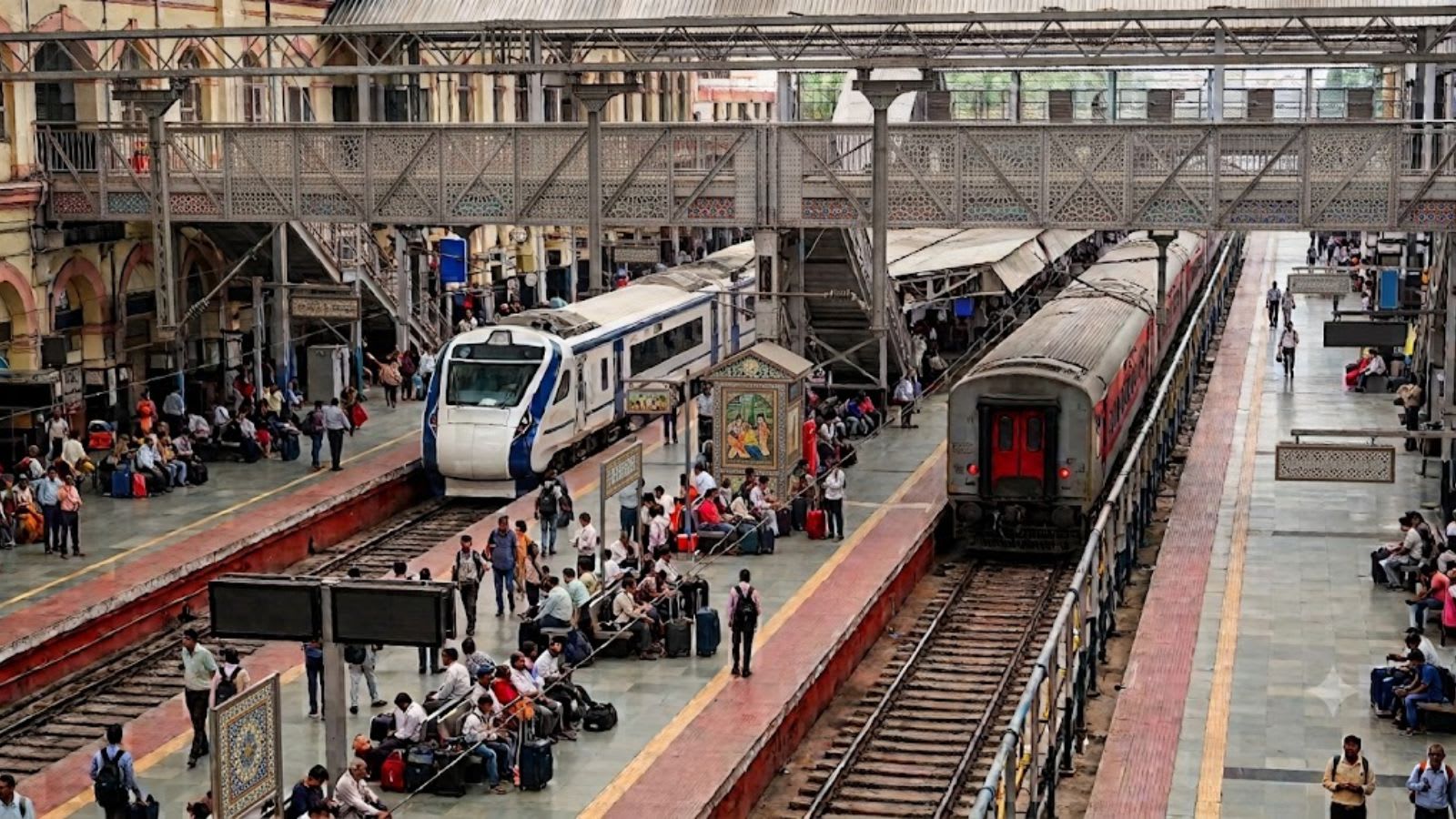
Indian Railways hit a record 22.26 lakh daily bookings on September 7, 2026, demonstrating massive demand. Simultaneously, the Northern Railway has announced operational changes for 120 trains in the Delhi Division from September 11-13.
Record-Breaking Demand for Indian Railways
On September 7, 2026, the Indian Railways Passenger Reservation System (PRS) achieved a historic milestone by processing over 22.26 lakh ticket bookings in a single day. This unprecedented volume marks the first time daily reservations have crossed the 22-lakh threshold, underscoring the massive dependency of the Indian populace on the rail network for long-distance travel. This surge reflects both the increasing mobility of the Indian workforce and the growing efficiency of the digital booking infrastructure.
The Role of the PRS Infrastructure
The Passenger Reservation System (PRS) has served as the backbone of Indian travel since its inception in 1986. Developed by the Centre for Railway Information Systems (CRIS), the system was a transformative leap from the manual, paper-based reservation processes of the early 1980s. Over the past four decades, the PRS has evolved into a robust digital ecosystem that supports not only physical counters but also high-traffic online and mobile booking interfaces, enabling millions to secure travel plans with ease.
Operational Challenges in the Delhi Division
Despite the record-breaking capacity of the reservation system, the physical rail network faces periodic logistical adjustments. Indian Railways has announced that approximately 120 trains operating through the Delhi Division will face operational changes between September 11 and September 13, 2026. These modifications are essential for network maintenance and administrative efficiency, though they directly impact passenger schedules during a period of high demand.
Impact on Premium Services
The affected services include some of the most critical premium trains in the country, such as the Vande Bharat Express and various Rajdhani Express lines, including the New Delhi-Ranchi, New Delhi-Dibrugarh, and New Delhi-Howrah routes. Other significant services like the Mumbai Tejas Rajdhani and the New Delhi-Howrah Poorva Express are also included in the list. The inclusion of these high-priority trains highlights the scale of the logistical coordination required by Northern Railway during this three-day window.
Future Trends and Network Resilience
The juxtaposition of record-high booking numbers and necessary operational disruptions highlights the dual challenge Indian Railways faces: scaling up to meet massive demand while maintaining aging infrastructure. As the railway continues to integrate more advanced technology under the guidance of CRIS, the focus will likely remain on optimizing real-time passenger communication and increasing network throughput. For passengers, this necessitates a higher reliance on official railway updates to navigate disruptions effectively, even as digital booking systems become more capable than ever.