Delhi Plans 500-Metre Underpass Near Mayur Vihar To Ease Traffic
Source Entity
NDTV News Search Records Found 1000
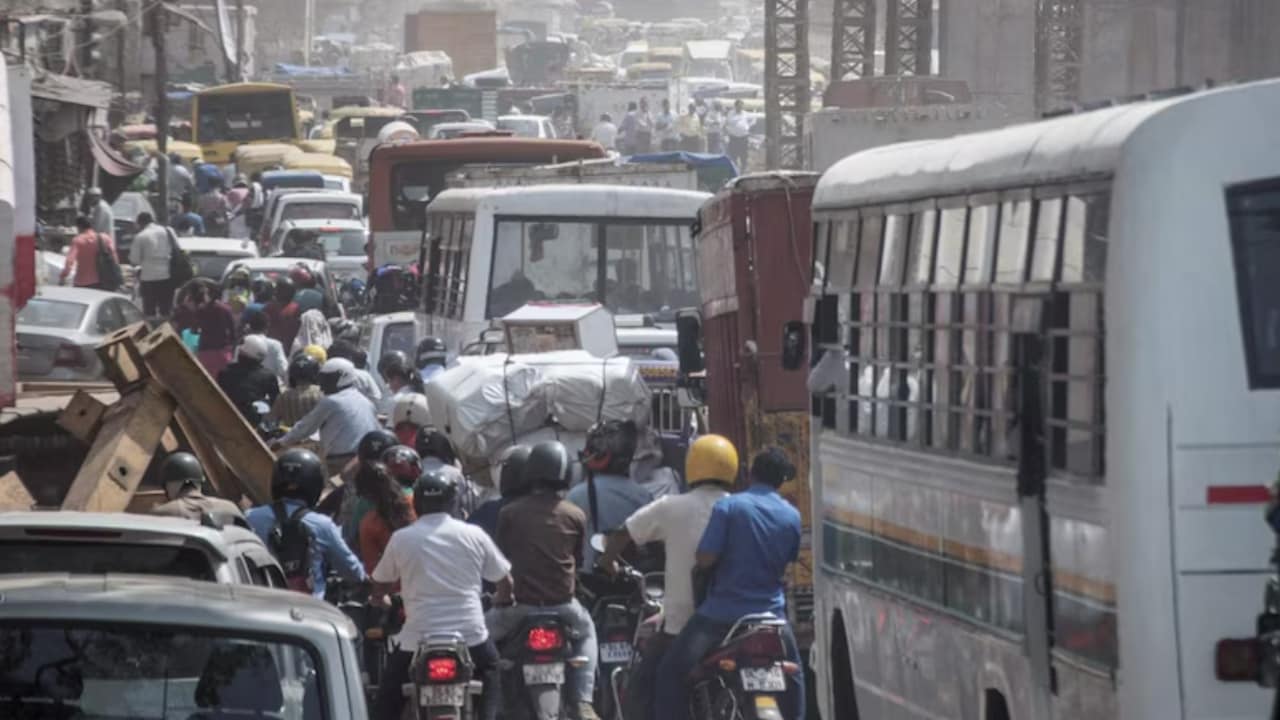
Delhi authorities are evaluating a new infrastructure project featuring a 500-metre underpass near Mayur Vihar to alleviate chronic traffic congestion. The proposal also includes the potential construction of a ground-level rotary to optimize vehicle flow in the area.
Addressing Delhi's Infrastructure Challenges
The urban landscape of Delhi faces persistent challenges regarding traffic management, particularly in high-density residential and transit hubs like Mayur Vihar. The recent announcement concerning the planning of a 500-metre underpass serves as a critical intervention aimed at decoupling local traffic from arterial flow. By targeting specific bottlenecks, urban planners hope to mitigate the daily gridlock that has become synonymous with the capital's rapid expansion.
The Dual-Approach Strategy: Underpass and Rotary
Central to the proposed traffic management plan is the dual consideration of an underpass alongside a ground-level rotary. The 500-metre underpass is designed to provide seamless passage for through-traffic, effectively bypassing the surface-level intersections that currently hamper speed and safety. Simultaneously, the inclusion of a ground-level rotary in the feasibility study suggests a comprehensive approach to traffic distribution, allowing for better management of turning movements and pedestrian accessibility.
Impact on Mayur Vihar Transit
Mayur Vihar acts as a vital link connecting East Delhi with the central business districts and Noida. The current infrastructure often struggles to handle the sheer volume of commuters, leading to significant delays. The proposed underpass seeks to alleviate this pressure by providing a grade-separated solution, which is widely considered the most effective method for reducing stop-and-go traffic in densely populated urban zones.
Urban Planning and Long-term Sustainability
Integrating such infrastructure requires a careful balance of engineering and environmental considerations. The decision to examine a rotary alongside the underpass indicates that authorities are looking for redundancy and flexibility in their traffic flow models. This planning phase is crucial, as it ensures that the project not only solves immediate congestion issues but also accounts for future increases in vehicle ownership and transit demand in the Mayur Vihar region.
Future Outlook for Delhi's Road Network
If implemented, this project could serve as a blueprint for similar interventions across Delhi’s peripheral zones. The reliance on grade separation to improve urban mobility is a trend that mirrors global metropolitan strategies for clearing arterial bottlenecks. As Delhi continues to grow, the success of these targeted interventions will remain a key indicator of the city's ability to maintain functional connectivity for its millions of residents.
Verification Required?