"We Dug Out Friends' Bodies": Students Recall Delhi Building Collapse Horror
Source Entity
NDTV News Search Records Found 1000
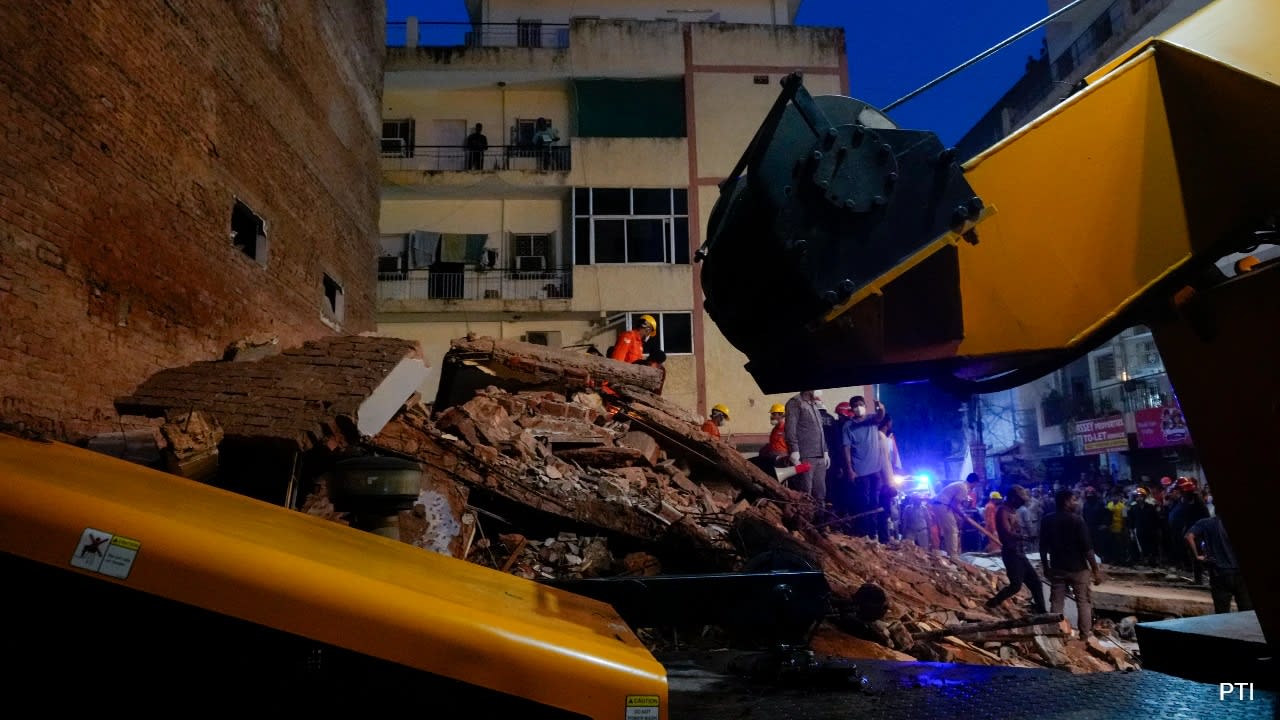
Following a deadly building collapse in Delhi’s Satya Niketan that killed seven people, the MCD has launched a crackdown on unauthorized PG accommodations. Authorities are planning a comprehensive survey and have initiated widespread demolitions of unsafe structures while suspending negligent officials.
The Satya Niketan Tragedy and the Regulatory Crisis
The recent collapse of a five-storey building in Delhi’s Satya Niketan area, which claimed the lives of seven individuals—including five students—has exposed a precarious intersection of urban density, unregulated housing, and systemic administrative failure. As the city mourns, the Municipal Corporation of Delhi (MCD) has initiated a urgent response, marking 200 private hostels as "dangerous" and launching a massive demolition drive against unauthorized structures. This tragedy serves as a grim indicator of the risks inherent in the city's rapidly expanding, yet poorly monitored, paying guest (PG) ecosystem.
The Anatomy of Unregulated Urban Housing
At the heart of this crisis is the revelation that the collapsed structure lacked a sanctioned building plan. In many parts of Delhi, residential properties are frequently repurposed into high-density PG accommodations without adhering to safety codes or structural integrity standards. Brokers, often acting as intermediaries, facilitate the rental of these floors, effectively bypassing the municipal oversight required for commercial or high-occupancy residential use. This shadow market thrives on the high demand for student and migrant housing, creating a ecosystem where profit often supersedes safety protocols.
Accountability and Administrative Response
The MCD’s response has been swift, if reactive. The suspension of five officials, including a deputy commissioner, signals an acknowledgment of systemic negligence within the civic body. By initiating a large-scale demolition drive—resulting in 35 demolitions across 12 zones in a single day—the authorities are attempting to clear the backlog of unsafe infrastructure. However, the move also highlights the scale of the challenge: the sheer number of illegal conversions in the capital makes enforcement a gargantuan task that requires more than just reactive demolitions.
The Path Forward: A New PG Policy
To prevent future tragedies, the MCD is currently weighing a comprehensive survey of all PG accommodations across Delhi. This proposed policy aims to catalog every facility, assess the number of occupants, and verify compliance with building regulations. Such a policy is critical for transitioning these "dangerous" hostels into a regulated framework where structural audits become mandatory rather than optional. The challenge remains in how the city will enforce these rules without displacing thousands of students and workers who rely on this affordable housing sector.
Broader Implications for Urban Planning
The Satya Niketan collapse is not an isolated incident but a symptom of Delhi's strained infrastructure. As the city continues to densify, the pressure on older buildings to accommodate more residents leads to unauthorized alterations and added floors that the original foundations cannot support. Future urban planning must prioritize structural integrity over rapid growth, ensuring that the oversight mechanism for "dangerous" buildings is proactive. Moving forward, the effectiveness of the MCD's new survey will be the true test of whether the city can move from crisis management to sustainable urban safety.
Multiple Citing Sources
Verification Required?