Delhi building collapse: Owner knew base was weak, built 4 additional floors, say cops
Source Entity
TNN
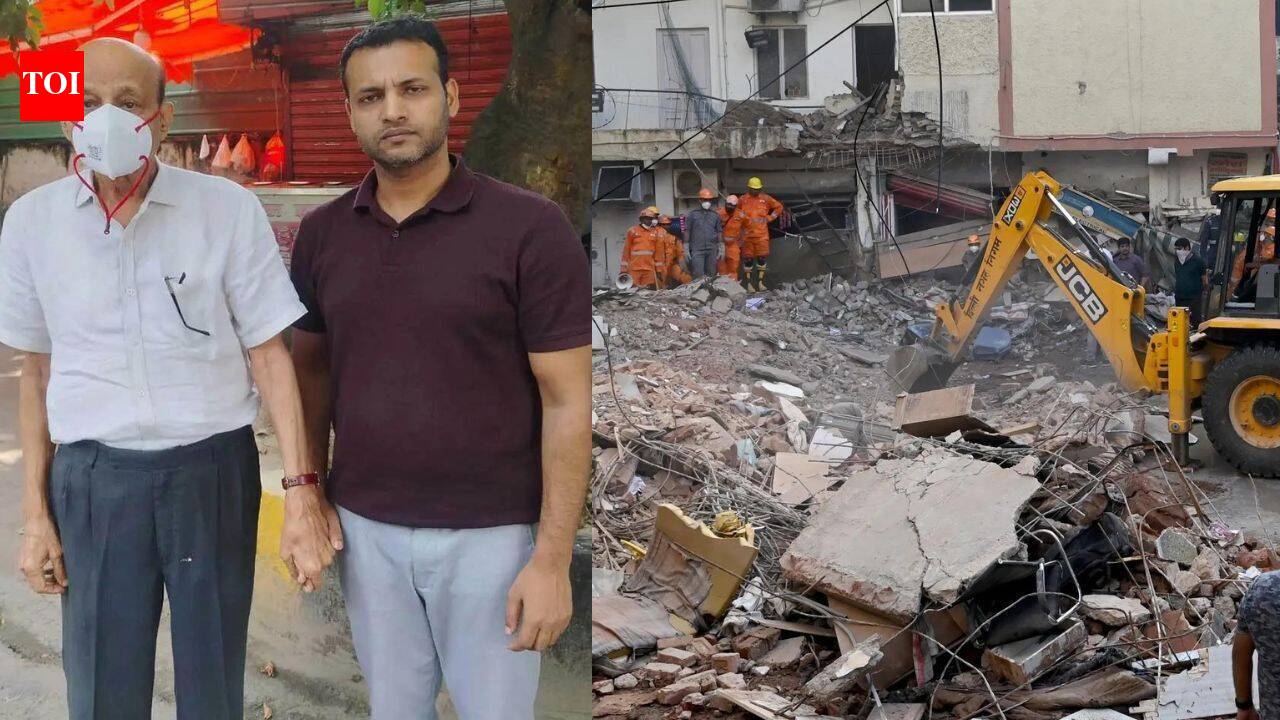
Following a deadly building collapse in Delhi’s Satya Niketan that killed seven, the MCD has launched a massive crackdown on unauthorized PG accommodations. Authorities are planning a city-wide survey and strict new regulations to ensure building safety compliance.
The Satya Niketan Tragedy: A Crisis of Urban Safety
The recent collapse of a five-storey building in Delhi’s Satya Niketan area, which tragically claimed the lives of seven individuals—including five students—has exposed severe systemic failures in the city's urban planning and housing enforcement. The building, which operated as a paying guest (PG) accommodation, lacked a sanctioned building plan, serving as a grim reminder of the dangers posed by unauthorized construction in densely populated residential pockets.
Accountability and Administrative Fallout
In the immediate aftermath of the disaster, the Municipal Corporation of Delhi (MCD) has taken swift punitive action, suspending five officials, including a deputy commissioner. This move signals an attempt to address the negligence that allowed such a structurally compromised building to operate undetected. However, the scale of the issue suggests that the problem extends far beyond individual lapses, pointing toward a broader culture of oversight failure in the municipal administration.
The Shadow Economy of PG Accommodations
Compounding the structural risks is the informal nature of the PG rental market. Brokers, often acting as intermediaries, frequently facilitate the conversion of residential floors into high-density PG accommodations without regard for safety standards or building codes. This shadow economy effectively bypasses official scrutiny, leaving tenants—often vulnerable students—living in structures that are neither registered nor inspected for fire and structural integrity.
Enforcement and Demolition Drives
The MCD has responded by intensifying its demolition drive, targeting unauthorized and unsafe buildings across 12 zones. In a single Tuesday operation, 35 structures were demolished. While this aggressive approach aims to mitigate immediate threats, it highlights the gargantuan task facing civic bodies: mapping and inspecting the thousands of informal housing arrangements that have proliferated across the capital.
Toward a New Regulatory Framework
Looking ahead, the MCD is drafting a new PG policy intended to formalize the sector through mandatory licensing and rent regulation. The success of this policy will depend on the efficacy of a proposed city-wide survey, which aims to identify the number of occupants and evaluate the safety of existing PG facilities. Without a robust mechanism for enforcement, however, these regulatory efforts may struggle to curb the influence of the informal brokerage networks that currently facilitate these unsafe living conditions.
Conclusion
The Satya Niketan tragedy serves as a catalyst for a necessary, albeit long-overdue, overhaul of Delhi’s building safety protocols. As the city balances the need for affordable student housing with the imperative of public safety, the transition toward a strictly regulated, transparent, and audited housing market remains the only viable path to preventing future catastrophes.
Multiple Citing Sources