India’s cleanest city Indore slips from top spot in clean air survey; Mayor assures anti-pollution steps
Source Entity
News Today: Breaking News, Top Headlines & Live Updates | The Hindu
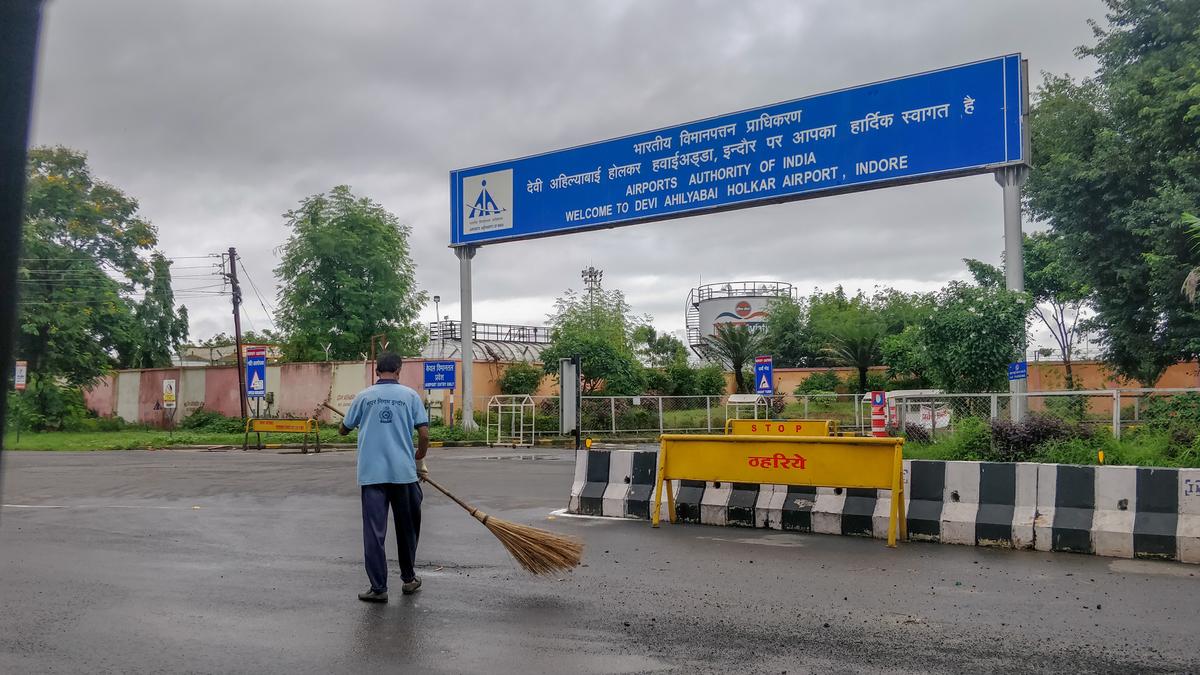
Indore has slipped to second place in the 2026 Clean Air Survey, scoring 197 out of 200 points. Local authorities attribute the narrow loss to Lucknow to an increase in PM10 particulate matter levels and have pledged new mitigation measures.
Indore Slips to Second Place in 2026 Clean Air Survey
Indore, widely recognized as India’s cleanest city, has faced a rare setback in the 2026 Swachh Vayu Sarvekshan Awards. After achieving a perfect score of 200 in the 2025 survey, the city fell just short this year, securing the second position with 197 points. Lucknow claimed the top spot with 198 points, marking a competitive shift in the national rankings for urban air quality management.
The Role of PM10 in Urban Air Quality
The primary factor cited for this marginal decline is the concentration of PM10 particles. As defined by environmental standards, PM10 refers to particulate matter with a diameter of 10 micrometers or less. These pollutants, often generated by vehicle exhausts, industrial emissions, and road dust, pose significant health risks as they can easily penetrate the human respiratory system. Mayor Pushyamitra Bhargava confirmed that the city's performance regarding these specific particle standards was the deciding factor in the one-point gap.
Broadening the Scope of the Evaluation
The 2026 assessment was comprehensive, covering 130 cities across India. This initiative, part of the Swachh Vayu Sarvekshan, serves as a critical benchmark for urban centers to measure their progress in pollution control. While Indore led the category for cities with a population exceeding one million, the emergence of other high-performing cities—such as Jabalpur in third place, and Bhopal and Agra tying for fourth—indicates that competition for clean air standards is intensifying across the country.
Administrative Response and Future Strategy
In response to the survey results, the Indore city administration has moved quickly to address the air quality concerns. Mayor Bhargava has announced a series of intensified, enhanced measures aimed at curbing the sources of PM10 emissions. Given that Indore is a commercial hub with high vehicle density, these strategies will likely involve stricter traffic management, enhanced dust control on roads, and more rigorous monitoring of industrial output to regain the top position in future assessments.
Implications for Indian Urban Planning
The survey highlights a broader national trend where environmental compliance is becoming a key metric of urban governance. The rise of cities like Lucknow, Rourkela, and Kalinga Nagar suggests that smaller and mid-tier cities are increasingly prioritizing air quality as a pillar of public health. For Indore, the challenge lies in balancing its status as a commercial engine with the strict environmental requirements necessitated by modern urban living standards.
Conclusion
The 2026 Clean Air Survey results serve as both a wake-up call and a roadmap for Indore. While the slip from the top spot is minor, it underscores the difficulty of maintaining perfect environmental benchmarks as cities grow and develop. By focusing on the specific variables that caused the decline, such as PM10 levels, the city administration aims to demonstrate that its reputation as India’s cleanest city remains a priority, even as the benchmarks for success continue to rise.
Multiple Citing Sources
Verification Required?