Delhi cop shoots wife dead in middle of road, flees
Source Entity
Pragynesh
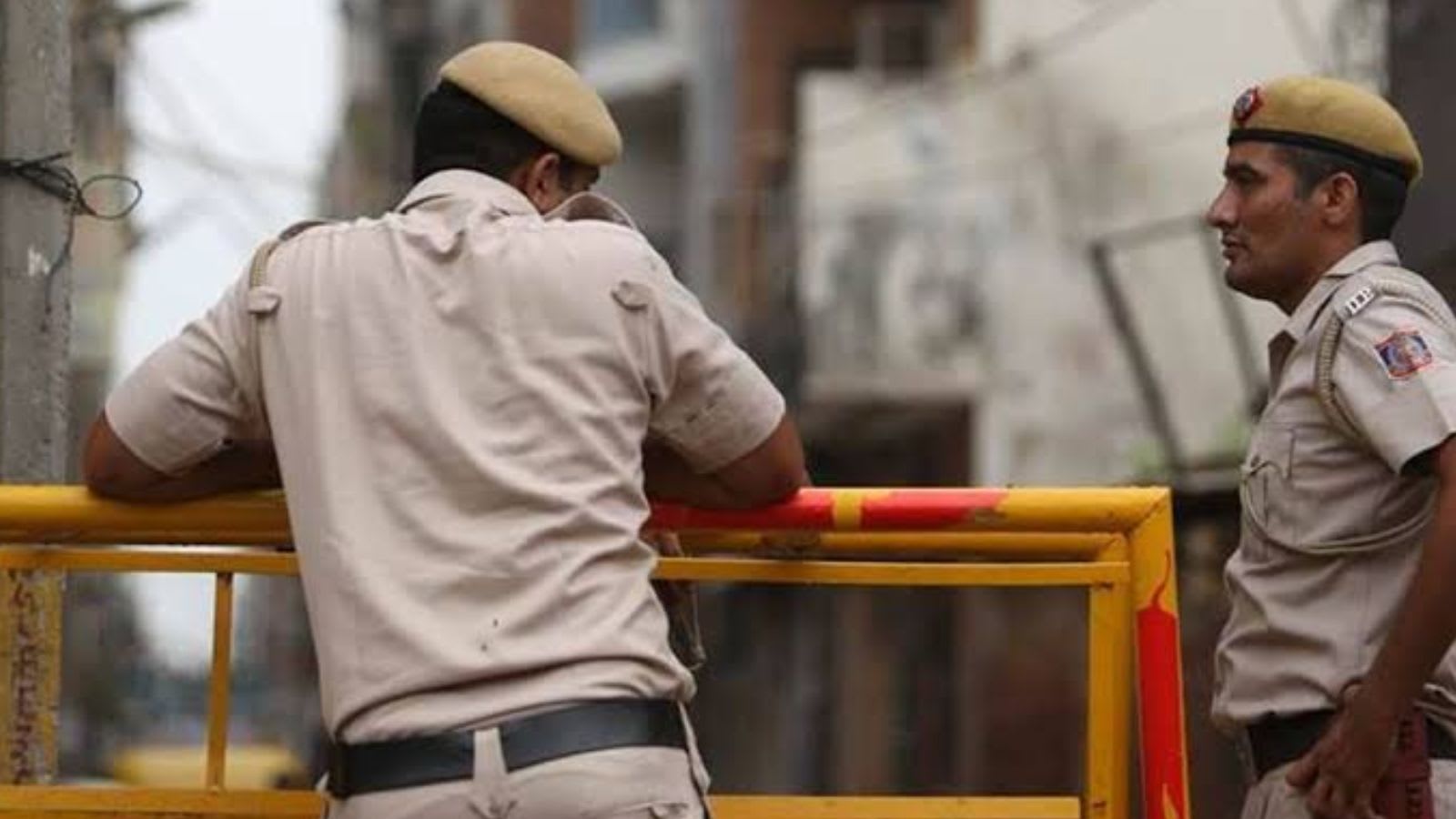
A Delhi Police constable allegedly killed his wife by shooting her on a road in Kalyanpuri, East Delhi. Police teams are searching for the accused officer. A Delhi Police constable allegedly killed h...
Tragic Violence in East Delhi: Police Officer Allegedly Kills Spouse
In a shocking breach of law and order, a serving member of the Delhi Police has allegedly turned a service-related capacity into a tool of domestic homicide. The incident occurred in the Kalyanpuri area of East Delhi, where a police constable reportedly shot his wife dead in the middle of a public road. The audacity of the crime—committed in an open space—and the status of the perpetrator as a law enforcement officer have sent shockwaves through the local community and the police department alike.
The Incident and Immediate Aftermath
According to initial reports, the constable opened fire on his wife in a brazen attack that left her dead on the spot. Following the shooting, the accused officer immediately fled the scene, utilizing his knowledge of police procedures and local geography to evade immediate capture. The Delhi Police have since launched an intensive search operation, deploying multiple teams to track down the fugitive officer. The use of a firearm in a densely populated area like Kalyanpuri not only resulted in a fatality but also posed a significant risk to bystanders, highlighting the volatility of the situation.
The Peril of Service Weapons in Domestic Disputes
This event brings to the forefront a critical discussion regarding the issuance and regulation of firearms to police personnel. While service weapons are essential for maintaining public order and officer safety, they become instruments of extreme danger when the officer suffers a psychological breakdown or engages in domestic conflict. The transition from a protector of the law to a perpetrator of a violent crime underscores the need for stringent monitoring of the mental health and emotional stability of officers who have constant access to lethal weaponry.
Institutional Implications for the Delhi Police
For the Delhi Police, this incident is an institutional embarrassment that necessitates a rigorous internal review. When a constable commits a crime of this magnitude and then goes on the run, it challenges the department's image of discipline and accountability. The current manhunt is not merely a criminal investigation but a race to recover a government-issued weapon from a fugitive who has already demonstrated a willingness to use lethal force. The efficiency of the recovery operation will be a key indicator of the department's ability to police its own ranks.
Broader Context of Domestic Violence in Urban India
While this specific case involves a law enforcement officer, it mirrors a broader, systemic issue of domestic violence and femicide within urban Indian settings. The vulnerability of women in domestic partnerships is often exacerbated when the partner holds a position of power or authority, such as a role in the police force. Such power imbalances can lead to a sense of impunity, where the perpetrator believes their professional status might shield them from the full consequences of their actions or provide them with the means to evade justice.
Conclusion and Future Outlook
This tragedy serves as a grim reminder of the intersection between professional authority and personal volatility. Moving forward, it is imperative that law enforcement agencies implement more robust psychological screening and support systems to prevent such catastrophic failures. The pursuit of the accused constable remains the immediate priority, but the long-term solution lies in addressing the root causes of domestic violence and ensuring that those entrusted with the power of the state are held to the highest standards of conduct, both on and off duty.