Hospitals, police refuse to share medico legal case details with protesters injured in detention
Source Entity
India Latest News: Top National Headlines Today & Breaking News | The Hindu
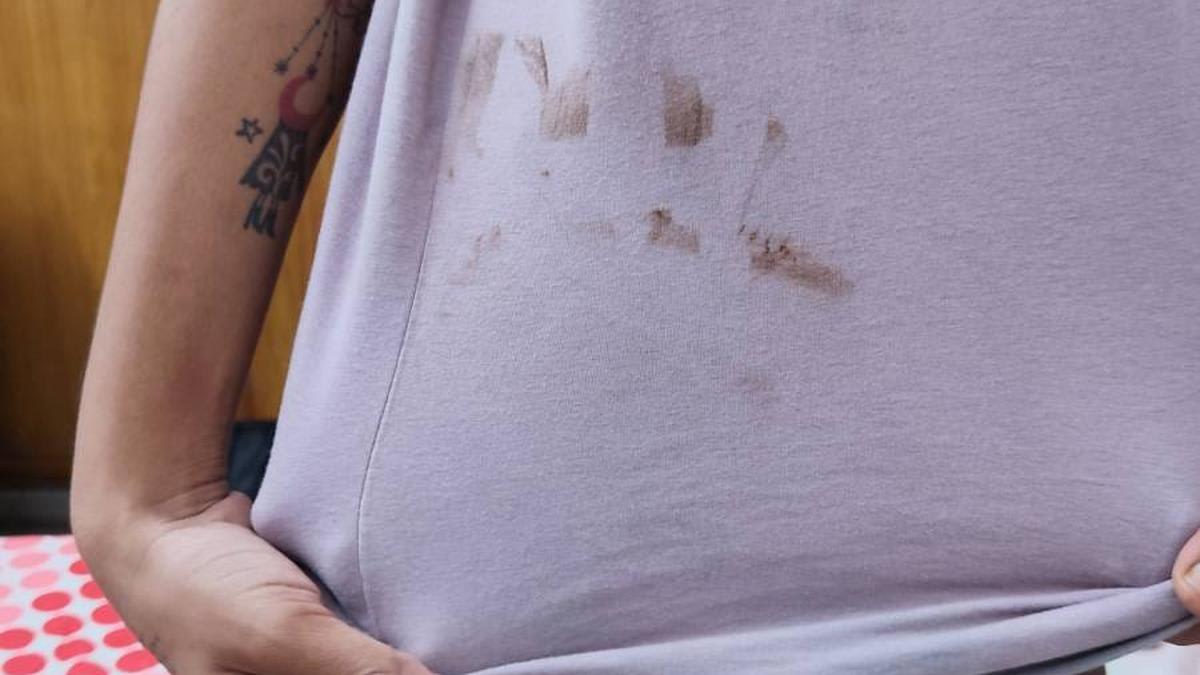
Injured protesters in Delhi are being denied access to their medico-legal case (MLC) records following recent detentions. This systemic lack of documentation complicates legal recourse and raises significant concerns regarding transparency and accountability in police-hospital interactions.
The Crisis of Medical Documentation for Detained Protesters
Recent reports from Delhi indicate a concerning trend where protesters, injured during weekend demonstrations and subsequent police detentions, are being systematically denied access to their Medico-Legal Case (MLC) records. Despite sustaining injuries ranging from bruised bodies and swollen fingers to head and neck wounds, individuals are finding themselves in a bureaucratic loop, forced to navigate between hospital administrations and police stations to secure documentation that is legally theirs. This obstruction of medical records serves to obscure the nature and cause of injuries sustained during state-sanctioned detention.
The Role of MLCs in Legal Accountability
Medico-Legal Cases are essential documents that provide a clinical record of injuries sustained by a patient, often serving as the primary evidence in legal proceedings involving physical trauma. Under standard medical protocols, hospitals are required to generate three copies of an MLC, with two copies intended for the police and the patient respectively. The current refusal to provide these records to injured protesters suggests a deliberate breakdown in the established protocol, potentially pressured by law enforcement authorities to prevent the documentation of excessive force.
Historical Precedents and Past Concerns
This is not an isolated incident in the discourse surrounding protest management in Delhi. Similar patterns were observed following the July 20 protests, where victims of pellet gun injuries were initially denied documentation. In that instance, media investigations eventually corroborated the use of pellet guns through hospital records, directly contradicting the official stance of the Delhi Police at the time. The current pattern of withholding information mirrors these past events, raising urgent questions about the transparency of medical reporting when state agencies are involved.
Broader Implications for Human Rights
When hospitals—traditionally neutral sanctuaries—are perceived to be under pressure to withhold information, it undermines the public's trust in the healthcare system. The denial of patient summaries and MLCs prevents victims from pursuing justice or seeking compensation for injuries. By limiting access to these documents, the authorities effectively create a 'documentation void,' where the physical evidence of police conduct disappears, making it increasingly difficult for human rights advocates and legal counsel to hold perpetrators accountable.
The Intersection of Protest and Policy
The situation is further complicated by the political climate, including the recent booking of CJP leaders Das and Ranka for unauthorized entry at Jantar Mantar. As political tensions rise, the intersection of police enforcement and medical administrative compliance becomes a critical battleground. The inability of protesters to obtain medical records is not merely a bureaucratic failure; it is an impediment to the fundamental right to legal defense and medical transparency. Future trends suggest that without systemic reform to ensure the independence of hospital records from police interference, the cycle of impunity regarding protest-related injuries will likely continue.
Verification Required?