Delhi car blast: SC allows transfer of cases to capital for joint trial
Source Entity
India Latest News: Top National Headlines Today & Breaking News | The Hindu
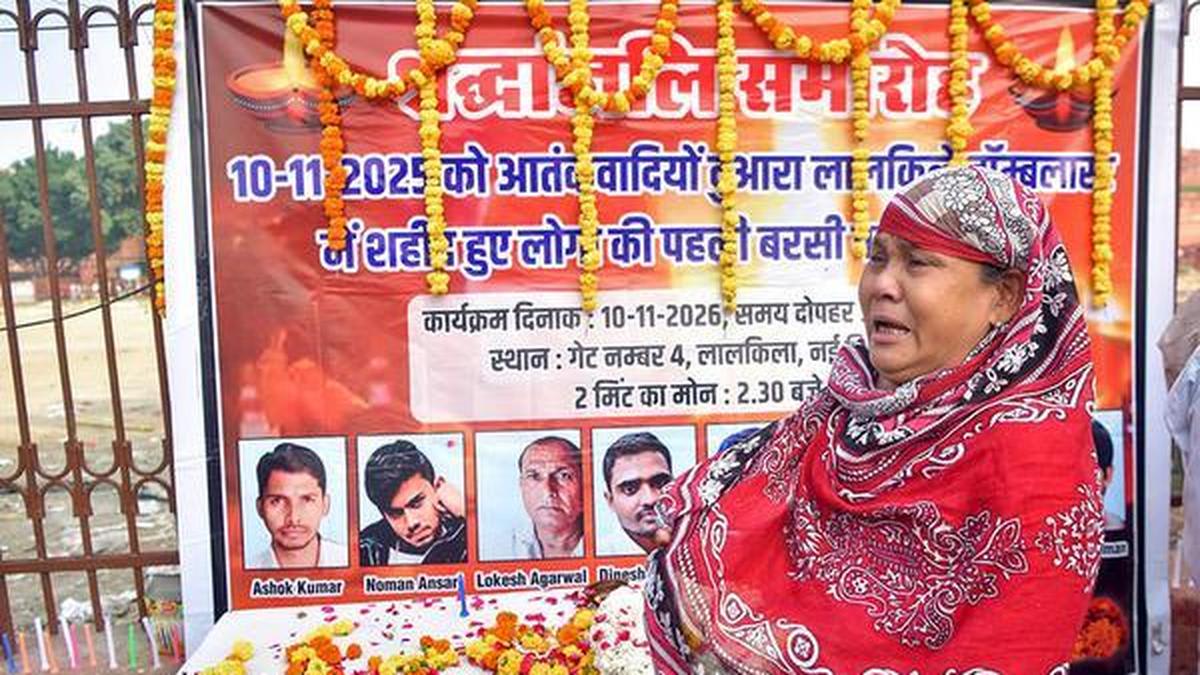
The Supreme Court has ordered the consolidation of three FIRs related to the November 2025 Delhi car blast into a single joint trial in the capital. This decision, prompted by the NIA, aims to streamline judicial proceedings by addressing overlapping evidence and defendants across multiple jurisdictions.
Judicial Consolidation in the Wake of the Delhi Tragedy
On November 10, 2025, a devastating explosion occurred near the Red Fort Metro station in Delhi, resulting in the tragic loss of 12 lives and leaving several others injured. The incident, which involved a powerful blast targeting a slow-moving vehicle at a traffic signal, sent shockwaves through the national capital and necessitated an immediate, multi-jurisdictional law enforcement response. Given the severity of the attack and the geographical spread of the investigation, the legal proceedings have now reached a critical juncture with the intervention of the Supreme Court of India.
The Supreme Court's Intervention
A Bench headed by Justice Prashant Kumar Mishra has issued a landmark directive allowing the National Investigation Agency (NIA) to transfer two criminal cases from Jammu and Kashmir and Haryana to a designated special court in New Delhi. By ordering that three distinct FIRs—originally registered across Delhi, Jammu and Kashmir, and Haryana—be clubbed together, the court has effectively centralized the judicial process. This move is designed to ensure that the investigation and subsequent trial are handled with the cohesion necessary for complex terror-related cases.
Addressing Jurisdictional Complexity
The rationale behind the Supreme Court’s decision is rooted in the practical realities of modern criminal investigations. In cases of this magnitude, evidence and suspects are rarely confined to a single state boundary. The court explicitly noted that the overlapping nature of the accused individuals, the shared pool of witnesses, and the interconnectedness of forensic evidence made the prospect of separate trials across multiple states fundamentally unfeasible. By centralizing these proceedings, the judiciary aims to prevent contradictory rulings and logistical delays.
Strategic Implications for the NIA
For the National Investigation Agency, this consolidation is a significant procedural victory. Conducting a joint trial allows for a more comprehensive presentation of the conspiracy, enabling the prosecution to establish the full chain of events leading up to the November 2025 explosion. It reduces the risk of 'witness fatigue' and ensures that the court has a holistic view of the evidence, which is essential when dealing with cross-border or inter-state criminal networks that often exploit jurisdictional gaps.
Future Trends in Judicial Efficiency
This decision signals a growing trend in the Indian legal system toward the centralization of high-stakes terror trials. As criminal elements increasingly operate across state lines, the judiciary is demonstrating a proactive stance in streamlining litigation to ensure swifter justice. By prioritizing the 'joint trial' model, the Supreme Court is setting a precedent that efficiency and coherence must take precedence over traditional jurisdictional boundaries when national security is at risk.
Conclusion
The consolidation of the Red Fort blast cases into a single Delhi-based trial represents a vital step toward accountability for the victims of this horrific event. By removing the barriers of state-level litigation, the court has paved the way for a more rigorous and effective pursuit of justice. As the trial proceeds, the focus will remain on the unified evidence presented by the NIA, marking a decisive moment in the government's ongoing effort to dismantle the networks behind the November 2025 tragedy.
Verification Required?