CJP protest: Mapping the 57 DelhiMetro stations where entry is barred
Source Entity
Latest News: Todays Latest News Headlines from India & World | Hindustan Times | Hindustan Times
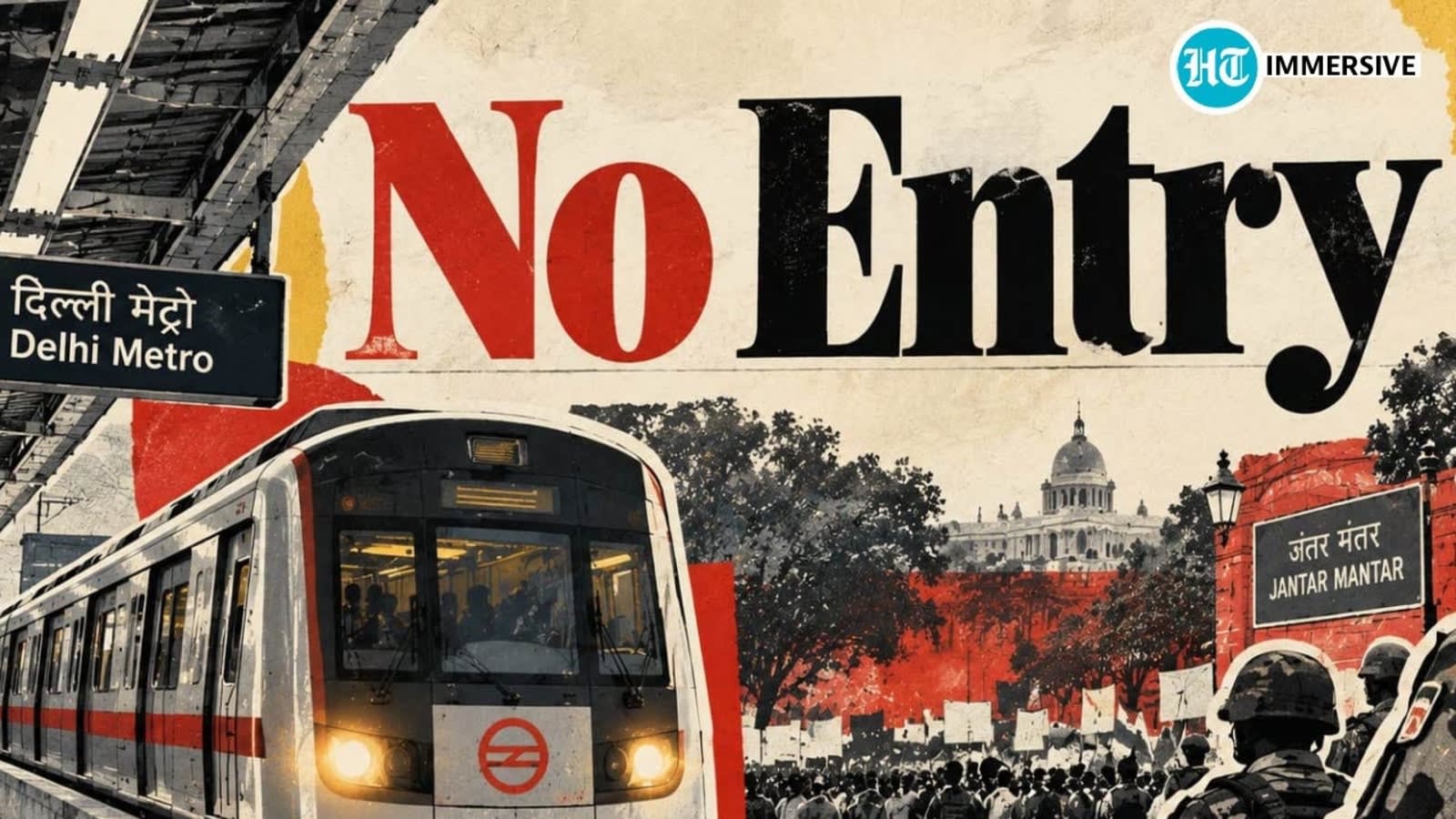
Delhi authorities have implemented massive security measures, including closing 57 metro stations and restricting transport, to preempt an unsanctioned protest by the Cockroach Janta Party. Thousands of personnel and surveillance tools are being deployed to maintain order in the New Delhi district.
Delhi Braces for Unsanctioned CJP Protest
The national capital is currently under a state of heightened alert as authorities move to preemptively neutralize a proposed protest by the Cockroach Janta Party (CJP) scheduled for October 10. With no formal permission granted by the administration, the Delhi Police have launched a comprehensive security operation, focusing primarily on the Jantar Mantar area, which is historically the epicenter of public demonstrations in Delhi.
Unprecedented Transit Disruptions
To prevent the mass gathering of protesters, the Delhi Metro Rail Corporation has implemented severe restrictions, effectively barring entry to 57 stations as of 9 PM on Friday. This coordinated effort extends beyond the metro network, encompassing limitations on Namo Bharat trains and various road transport corridors. By monitoring travel plans and bus bookings, the police are attempting to choke off the logistical supply lines that would facilitate the mobilization of demonstrators from outside the city.
Surveillance and Personnel Deployment
Security arrangements are notably robust, featuring the deployment of approximately 20,000 security personnel across the New Delhi district. In a move to ensure accountability and evidentiary documentation of the proceedings, senior officers have been equipped with body-worn cameras. This strategy highlights a shift toward high-tech surveillance in managing civil unrest, ensuring that any potential escalation is recorded and managed with precision.
Strategic Coordination and Institutional Oversight
Beyond physical barriers, the Delhi Police have adopted a multi-faceted approach to intelligence gathering. Authorities have established coordination channels with educational institutions, accommodation providers, and private transport operators. By vetting these sectors, the police aim to prevent the unauthorized congregation of individuals who might be traveling to the capital specifically to participate in the protest.
Broader Implications for Public Order
The situation underscores a recurring challenge for Delhi’s law enforcement: balancing the fundamental right to protest with the urgent necessity of maintaining public safety and urban functionality. The reliance on broad-scale transit shutdowns and intensive monitoring suggests a proactive, zero-tolerance policy toward demonstrations that lack explicit administrative clearance. This approach serves as a deterrent but also raises ongoing questions regarding the accessibility of public spaces for political expression.
Looking Ahead: Trends in Protest Management
As the city navigates this security event, it reflects a growing trend in metropolitan policing where digital monitoring and infrastructure control play as significant a role as traditional crowd control. The use of interactive mapping to track closed stations provides the public with real-time data, while simultaneously signaling the totalizing nature of the security lockdown. The coming days will likely see a continued focus on intelligence-led policing to ensure that the capital remains stable despite the proposed political mobilization.
Multiple Citing Sources
Verification Required?