'We'll do it': PM Modi gives slogan for 2047 goals
Source Entity
KUMAR RAKESH
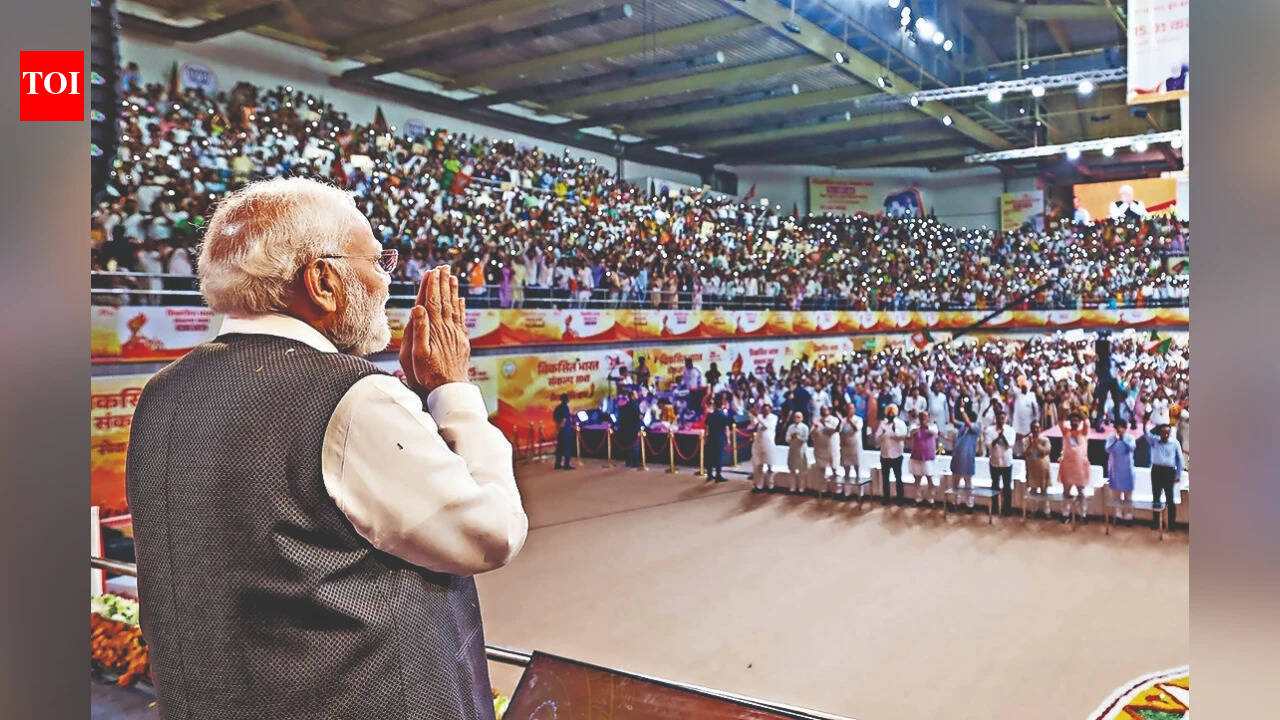
The Union Cabinet has approved the Integrated Transport & Logistics Authority (ITLA) to unify planning across roads, rail, ports, and aviation. This apex body will manage a 10-year master plan and appraise projects exceeding ₹500 crore to ensure multi-modal efficiency.
A New Era for Indian Infrastructure: The ITLA Initiative
The Union Cabinet’s recent approval of the Integrated Transport and Logistics Authority (ITLA) marks a significant shift in India’s approach to infrastructure development. By consolidating planning processes across roads, railways, ports, aviation, and waterways, the government aims to move away from fragmented, mode-specific development toward a cohesive, multi-modal framework. This structural change is designed to ensure that the nation’s logistical backbone keeps pace with broader economic growth.
Strategic Objectives and the Multi-modal Mandate
At the core of the ITLA’s mission is the creation of a National Transport Master Plan with a horizon of 10 years or more. Historically, infrastructure projects in India have often been executed in silos, leading to inefficiencies where capacities in one sector do not adequately support another. The ITLA will serve as an apex body, ensuring that short-term sectoral plans and annual ministerial budgets align with this long-term vision, thereby prioritizing projects that offer the greatest cross-sectoral synergy.
Financial Oversight and Project Appraisal
One of the most critical functions of the ITLA is the technical appraisal of all government infrastructure projects valued at ₹500 crore or more. While the financial appraisal remains under the purview of existing financial ministries, the ITLA’s technical oversight ensures that major investments are scrutinized for their long-term viability and integration within the national network. This move is expected to curb redundant spending and optimize resource allocation across disparate agencies.
The Economic Imperative
Union Railway Minister Ashwini Vaishnaw highlighted the urgent need for this integration, noting that logistics demand typically outpaces GDP growth—often at a ratio of 10% growth in logistics for every 7% in GDP. As India seeks to enhance its global competitiveness, the cost and efficiency of moving goods become paramount. By streamlining the planning process, the ITLA seeks to mitigate bottlenecks that have historically hampered domestic trade and export capabilities.
Leadership and Long-term Governance
This institutional reform coincides with a period of significant political continuity, as Prime Minister Narendra Modi marks 25 years in executive office. The establishment of the ITLA reflects a broader administrative philosophy that emphasizes long-term planning and the execution of large-scale, transformative projects. This approach views leadership not just as the management of daily affairs, but as the creation of robust, enduring institutional structures capable of driving national progress over decades.
Future Outlook
Looking ahead, the success of the ITLA will depend on its ability to synchronize the priorities of various ministries that have traditionally operated with significant autonomy. If successful, the authority will likely become the primary architect of India’s infrastructure landscape, turning the vision of a seamless, multi-modal transport network into reality. This transition will be a key indicator of India’s capacity to manage complex, large-scale systems as it continues its trajectory toward becoming a leading global economy.
Multiple Citing Sources