White House Denies Trump Suggested Iran Should "Take Out" US Cities
Source Entity
NDTV News Search Records Found 1000
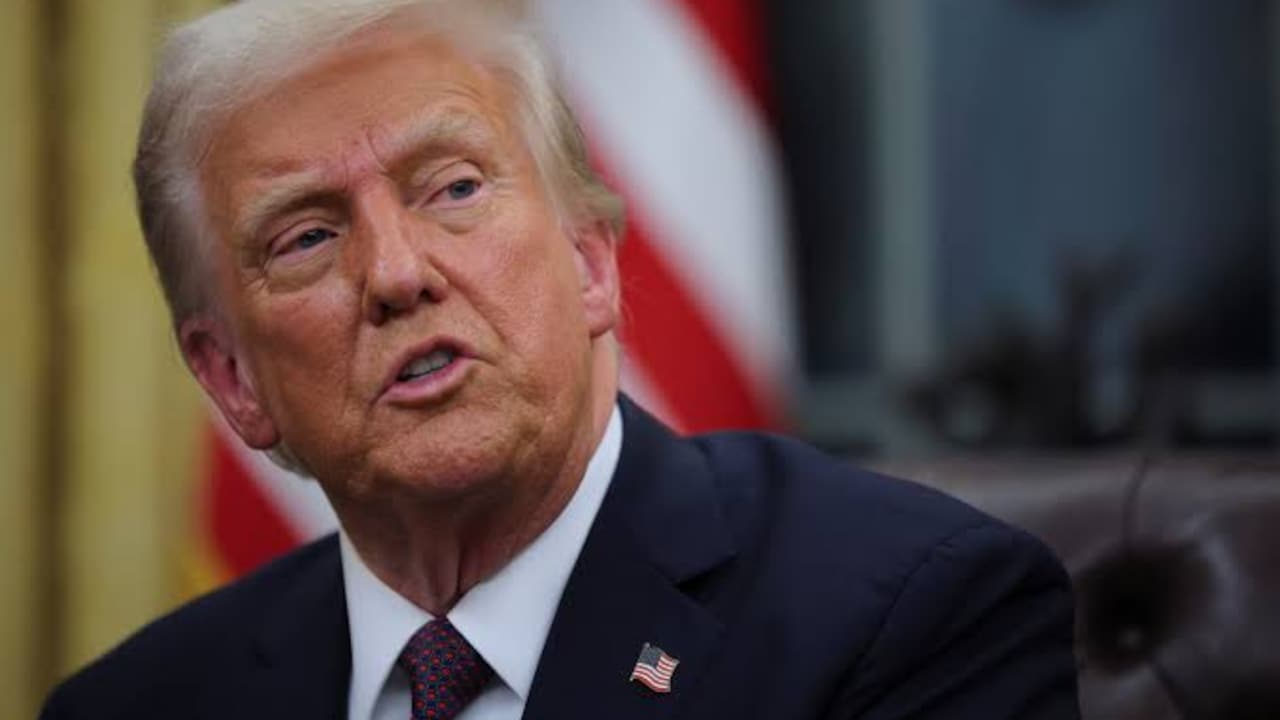
The White House has officially refuted claims that Donald Trump suggested Iran target U.S. cities. Officials clarified that the former president's rhetoric was intended to highlight the security threat posed by Iran.
Clarifying the Rhetoric: The White House Response to Iran Allegations
Recent reports concerning former President Donald Trump’s rhetoric regarding Iran have sparked significant debate regarding the interpretation of his public statements. At the center of this controversy were claims suggesting that Trump had proposed Iran should "take out" U.S. cities. The White House has issued a formal denial of these characterizations, seeking to reframe the context of the comments within the broader framework of national security concerns.
The Nature of the Disputed Statements
The central tension lies in the interpretation of volatile geopolitical discourse. According to official statements from the White House, the remarks attributed to the former president were not an endorsement of aggression against American soil, but rather a warning regarding the existential threat posed by the Iranian regime. By emphasizing this distinction, the administration aims to clarify that the discourse was centered on the dangers of regional instability rather than an invitation for direct conflict against domestic targets.
Geopolitical Context and National Security
To understand the gravity of these claims, one must look at the historical context of U.S.-Iran relations. For decades, the relationship between Washington and Tehran has been defined by sanctions, nuclear proliferation concerns, and regional proxy conflicts. Any statement involving the potential for violence or the targeting of cities carries immense weight in international diplomacy. The White House's swift intervention highlights the sensitivity of this rhetoric, as misinterpretations could potentially be exploited by foreign adversaries to undermine domestic stability.
The Role of Political Communication
In the era of modern political discourse, the nuance of language often becomes a casualty of rapid news cycles. The incident serves as a case study for how political figures navigate high-stakes foreign policy topics. When a statement is perceived as suggesting harm to the U.S., the immediate administrative response is critical to maintaining public confidence and international credibility. The White House’s insistence that the rhetoric was purely focused on the threat posed by Iran underscores a deliberate attempt to manage the narrative and prevent diplomatic fallout.
Analyzing Future Implications
The long-term implications of such exchanges are significant for how the U.S. approaches its Iran policy. As the international community monitors these developments, the clarity of communication becomes paramount. The incident highlights the ongoing challenge of addressing the Iranian security threat without inadvertently creating domestic political polarization. Moving forward, the effectiveness of U.S. foreign policy will depend on the ability of leaders to distinguish between aggressive posturing and legitimate security warnings.
Concluding Summary
In conclusion, the White House’s denial serves to anchor the conversation back to the core concern of Iranian foreign policy threats. By rejecting the interpretation that Trump advocated for attacks on U.S. cities, the administration seeks to stabilize the discourse surrounding national security. The episode serves as a stark reminder of the complexities involved in discussing high-stakes geopolitical threats in an era of intense public scrutiny.
Verification Required?