Who is Eric Deters? Kimberly Guilfoyle sought funds from Kentucky MAGA donor in exchange of favors, report claims
Source Entity
Latest News: Todays Latest News Headlines from India & World | Hindustan Times | Hindustan Times
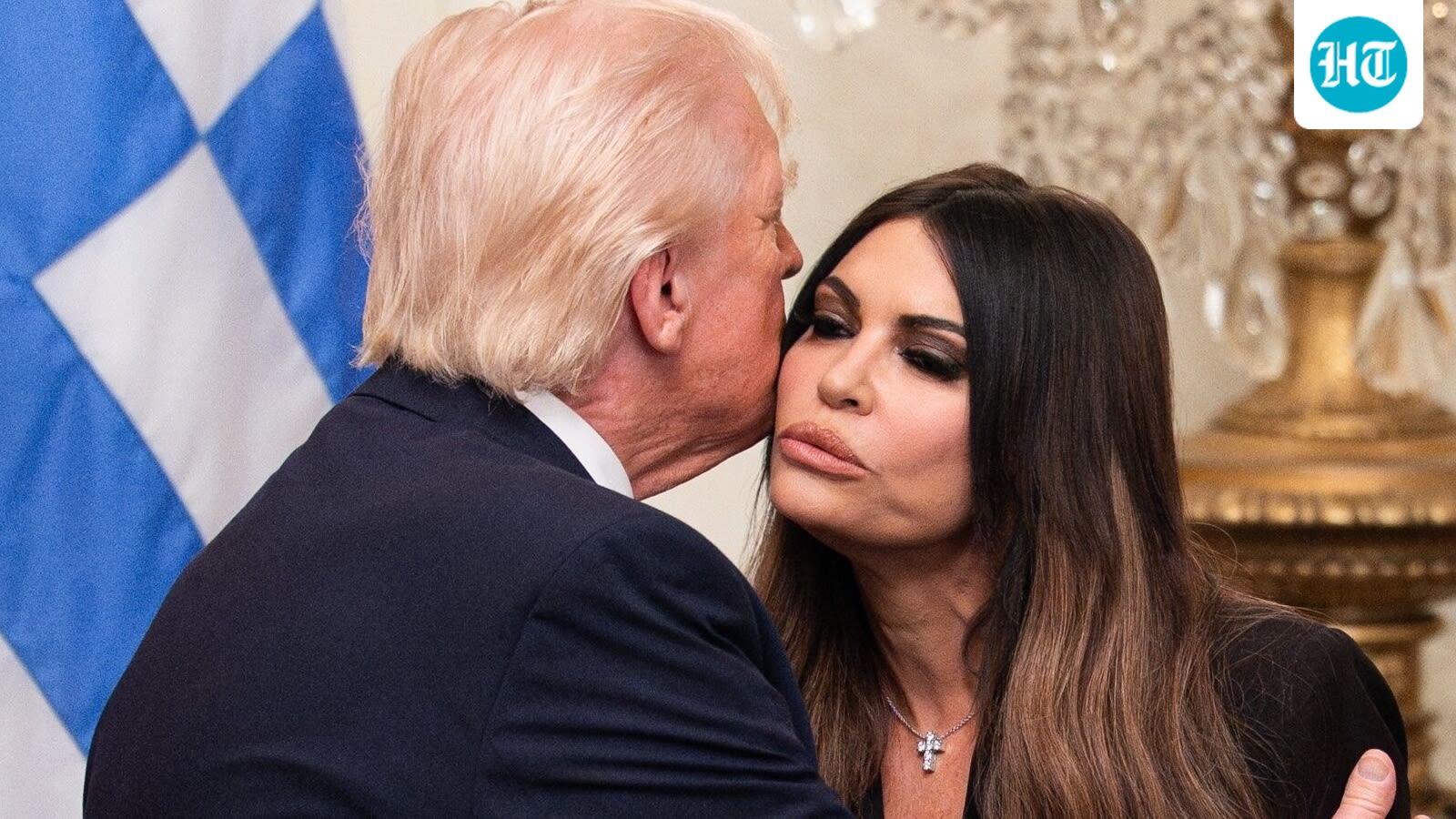
A Wall Street Journal investigation alleges that Kimberly Guilfoyle solicited $100,000 from donor Eric Deters to settle a credit card bill in exchange for political favors. Guilfoyle’s legal counsel has disputed the claims, while the incident highlights the complex intersection of political fundraising and personal influence.
Allegations of Influence Peddling: The Guilfoyle-Deters Controversy
Recent reporting by the Wall Street Journal has cast a spotlight on the intersection of personal finance and political influence within the orbit of the former Trump administration. At the center of this controversy are allegations that Kimberly Guilfoyle, currently serving as the U.S. Envoy to Greece, solicited $100,000 from Eric Deters—a prominent Kentucky-based MAGA donor and former trial lawyer—to cover her personal credit card debt. This report suggests a transactional approach to political access, raising significant ethical questions about the boundaries between private financial needs and public service.
The Nature of the Alleged Quid Pro Quo
The core of the controversy stems from text exchanges allegedly sent by Guilfoyle to Deters. According to the report, the request for $100,000 was not merely a personal loan but was coupled with an offer of political assistance. Specifically, the allegations claim that in exchange for the funds, Guilfoyle offered to leverage her connections within the Trump administration to aid Deters in resolving ongoing legal and regulatory matters involving the Internal Revenue Service (IRS) and the Department of Justice (DOJ). Such claims, if substantiated, would represent a severe breach of ethical standards for a political appointee.
Contextualizing the Relationship
To understand the gravity of these claims, one must look at the established financial relationship between the two figures. Prior to this alleged request, Deters had already paid Guilfoyle $300,000 in speaking fees. This existing history of financial transactions provides a backdrop for the latest allegations, suggesting that the line between professional engagement and political favor-seeking may have become blurred. Deters, a former trial lawyer who has transitioned into a vocal political donor, appears to have been seeking access or influence in exchange for his financial contributions.
Legal and Political Repercussions
Guilfoyle’s legal team has formally disputed the accuracy of the messages and the nature of the interactions reported. In high-stakes political circles, the denial of such allegations is a standard defensive posture, yet the involvement of the Wall Street Journal suggests a level of documentation that requires serious scrutiny. The implications for the Trump administration’s integrity are significant, as these allegations feed into broader criticisms regarding pay-to-play politics and the potential misuse of government positions for personal financial gain.
Broader Implications for Political Fundraising
The incident serves as a case study for the risks inherent in the modern political fundraising apparatus. When political figures maintain close ties to wealthy donors, the risk of conflating personal financial obligations with political advocacy remains a constant threat to public trust. As investigations or public discourse continue, the focus will likely remain on whether these interactions constitute a violation of federal ethics laws or merely reflect the aggressive, often opaque, nature of political influence operations.
Conclusion: Assessing Future Trends
As the situation develops, the outcome will likely hinge on the authenticity of the alleged digital communications. If the evidence holds up, it could trigger deeper investigations into the influence of donors on administrative policy. Regardless of the legal outcome, the incident highlights the ongoing necessity for transparency in the financial dealings of those in public office. The scrutiny surrounding Guilfoyle and Deters underscores a growing demand for accountability, ensuring that the mechanisms of government remain insulated from personal financial entanglements.
Verification Required?