Punjab: Supreme Court sets aside polls in 50 wards, orders re-elections in six weeks
Source Entity
Ananthakrishnan G
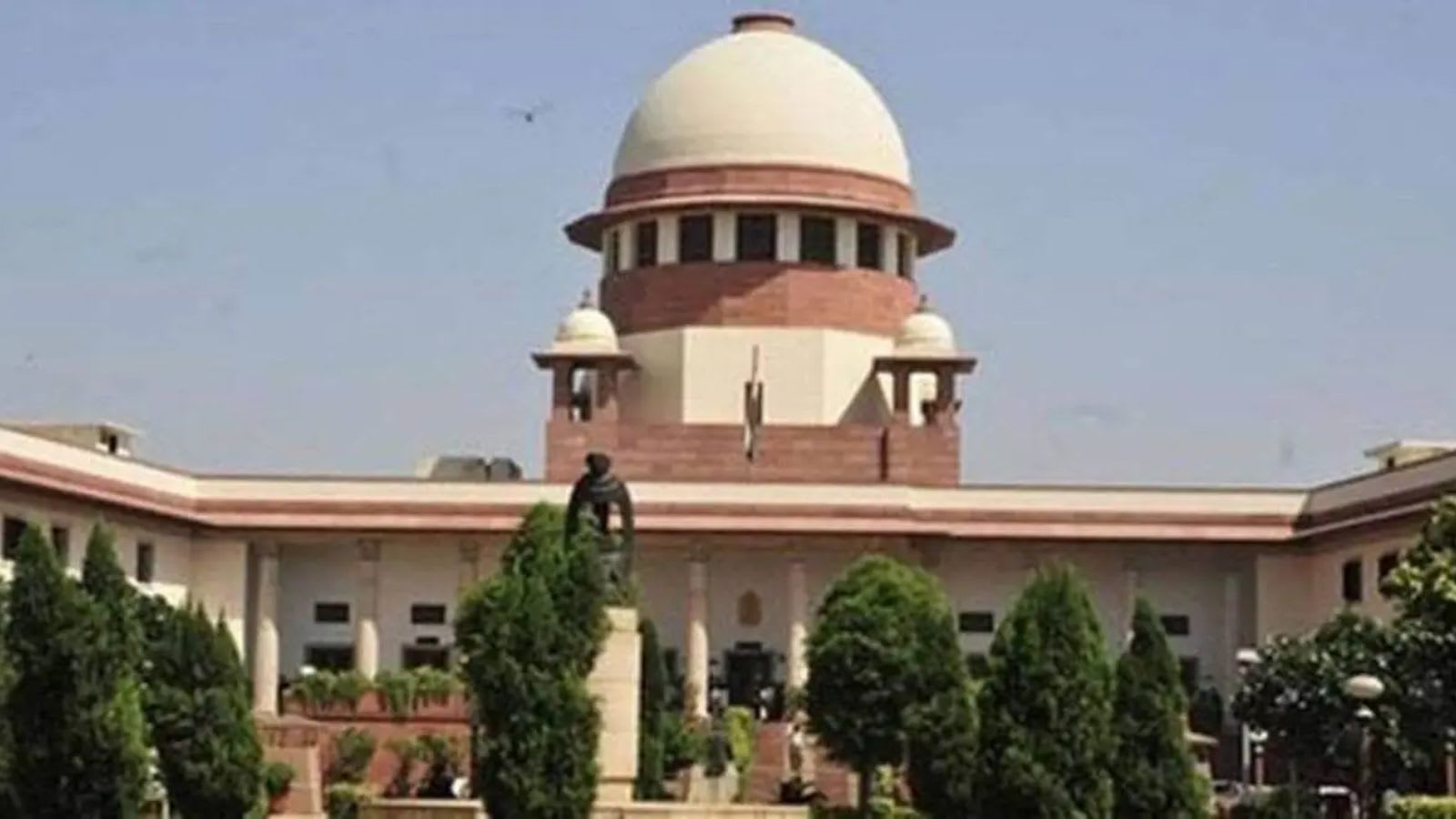
The Supreme Court of India has ordered fresh elections for 50 wards in Punjab after a commission confirmed widespread voter suppression and candidate intimidation. The re-polling process for these specific districts must be completed within six weeks.
Supreme Court Intervention in Punjab Local Body Polls
The Supreme Court of India has issued a landmark directive regarding the integrity of local governance, setting aside the results of 50 ward elections in Punjab. This decision follows a comprehensive investigation by a court-appointed fact-finding commission, which uncovered systemic interference during the nomination process. The findings revealed a disturbing pattern of democratic subversion, where nomination papers were forcibly snatched, destroyed, or torn, effectively disenfranchising candidates before the voting even commenced.
The Anatomy of Voter Obstruction
Beyond mere administrative irregularities, the commission’s report highlighted a climate of fear and coercion. Candidates reported being assaulted, illegally detained, and subjected to direct threats intended to discourage their participation. This level of obstruction directly challenges the foundational principles of free and fair elections. By targeting the nomination phase, the perpetrators sought to ensure uncontested outcomes or manipulate the field of candidates, thereby undermining the electoral mandate in both Patiala and Moga districts.
Judicial Oversight and Accountability
A bench led by Chief Justice Surya Kant, alongside Justices Joymalya Bagchi and V Mohana, took decisive action by nullifying the results for 28 wards in Patiala and 22 in Moga. The court's acceptance of the commission’s recommendations underscores a judicial commitment to preserving the sanctity of local bodies, which serve as the primary interface between citizens and the state. By ordering fresh elections, the judiciary is attempting to restore the public's faith in the local electoral process.
Implications for Democratic Processes
The six-week deadline imposed by the Supreme Court for completing the re-election process acts as a strict safeguard against administrative lethargy. This timeline ensures that the affected wards are not left without proper representation for an extended period. This ruling serves as a stern warning to political actors and local authorities that the judiciary will not tolerate the weaponization of bureaucratic processes to stifle opposition or manipulate electoral outcomes.
Future Trends in Electoral Integrity
This case highlights the growing importance of independent fact-finding mechanisms in Indian elections. Moving forward, such interventions may set a precedent for how the Supreme Court handles allegations of systemic violence in local polls. If the re-elections in these 50 wards are conducted successfully, it may encourage more rigorous oversight in future municipal and panchayat-level voting, potentially leading to legislative reforms aimed at protecting candidates during the volatile nomination phase.
Conclusion
The Supreme Court’s intervention in Punjab represents a vital corrective measure in the face of blatant electoral malfeasance. By ensuring that justice is not only served but seen to be done, the court has reinforced the necessity of a transparent and safe environment for political participation. The coming six weeks will be a critical test for the local administration to conduct fair, secure, and democratic elections that truly reflect the will of the people in the affected wards.