Second day, second Opposition protest against CEC Gyanesh Kumar, detentions again
Source Entity
Asad Rehman, Lalmani Verma
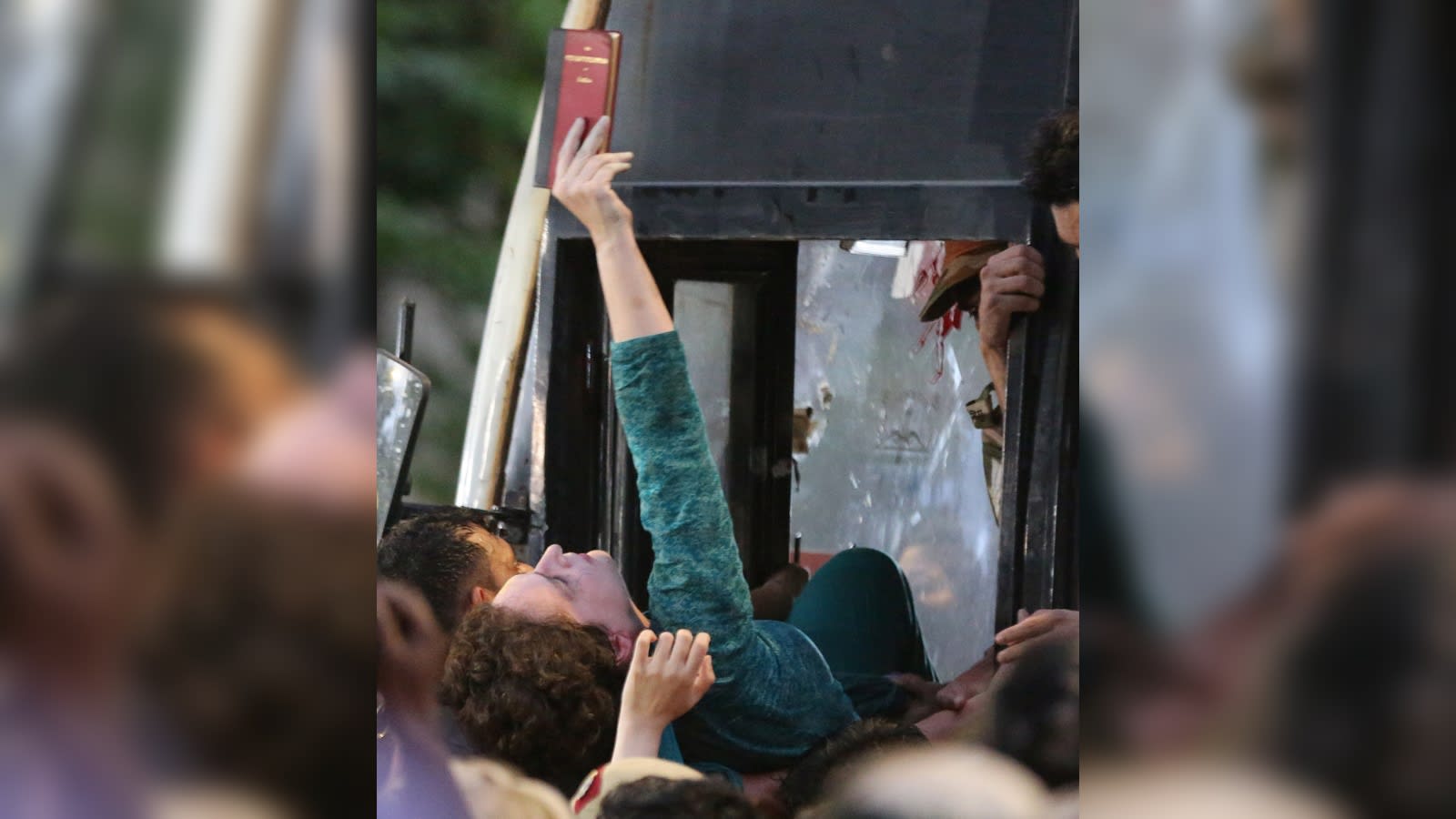
INDIA bloc MPs led by Rahul and Priyanka Gandhi staged a protest march toward the ECI, demanding the resignation of CEC Gyanesh Kumar. The demonstration, centered on concerns over the Special Intensive Revision exercise, resulted in a police blockade and subsequent detention of the leaders.
Opposition Escalates Tensions with ECI Protest
On Tuesday, a significant political mobilization occurred in New Delhi as members of the INDIA bloc, including prominent leaders Mallikarjun Kharge, Rahul Gandhi, and Priyanka Gandhi Vadra, marched from the Parliament House complex toward the Election Commission of India (ECI) headquarters. The protest was marked by high-tension visuals and a direct confrontation with law enforcement, as security forces implemented heavy barricading between the NITI Aayog office and Akashvani Bhavan to prevent the delegation from reaching their destination.
The Core Grievances and the SIR Controversy
The primary driver of this demonstration is the opposition's deep-seated skepticism regarding the integrity of current electoral processes. Specifically, the INDIA bloc has raised significant concerns over the Special Intensive Revision (SIR) exercise being conducted by the ECI. By targeting this process, the opposition is signaling a broader distrust in the administrative neutrality of the election machinery, framing the systemic updates as potential avenues for electoral manipulation.
Targeting the Chief Election Commissioner
The protest took a personal turn as demonstrators singled out Chief Election Commissioner (CEC) Gyanesh Kumar. Opposition MPs carried provocative cutouts depicting the CEC in an RSS uniform, explicitly challenging his impartiality. The chant “BJP hai CEC hai” and the direct call for his resignation via social media posts from Rahul Gandhi highlight a strategic shift by the opposition: moving beyond policy critiques to questioning the ideological alignment of the individuals presiding over the commission.
Institutional Friction and Security Response
The decision to stage a sit-in (dharna) on the road after being stopped by the Delhi Police underscores the deteriorating relationship between the current government and the parliamentary opposition. The heavy security deployment, which ultimately led to the detention of the protesting legislators, reflects the high-stakes environment surrounding institutional oversight in India. This event is a continuation of the ongoing friction regarding the appointment and conduct of election officials.
Broader Implications for Indian Democracy
This incident carries profound implications for the state of Indian democracy and the health of its constitutional bodies. When the primary opposition bloc finds it necessary to march on the Election Commission to demand the resignation of its head, it suggests a crisis of confidence in the referees of the political system. This erosion of trust can lead to long-term delegitimization of electoral outcomes, regardless of the actual conduct of the polls.
Future Trends and Political Fallout
Looking ahead, it is likely that the INDIA bloc will continue to leverage these protests to galvanize their voter base and draw international attention to the perceived decline in democratic norms. The government, conversely, is expected to maintain its stance that the ECI is an autonomous body acting within its mandate. As the political discourse becomes increasingly polarized, the role of the ECI will remain a central battleground, likely leading to more frequent legislative confrontations and public demonstrations as the opposition seeks to place the burden of transparency squarely on the shoulders of the commission.
Multiple Citing Sources