‘Jantar Mantar 2.0’ protest: 45 Delhi Metro stations shut; check full list
Source Entity
RK LAXMI
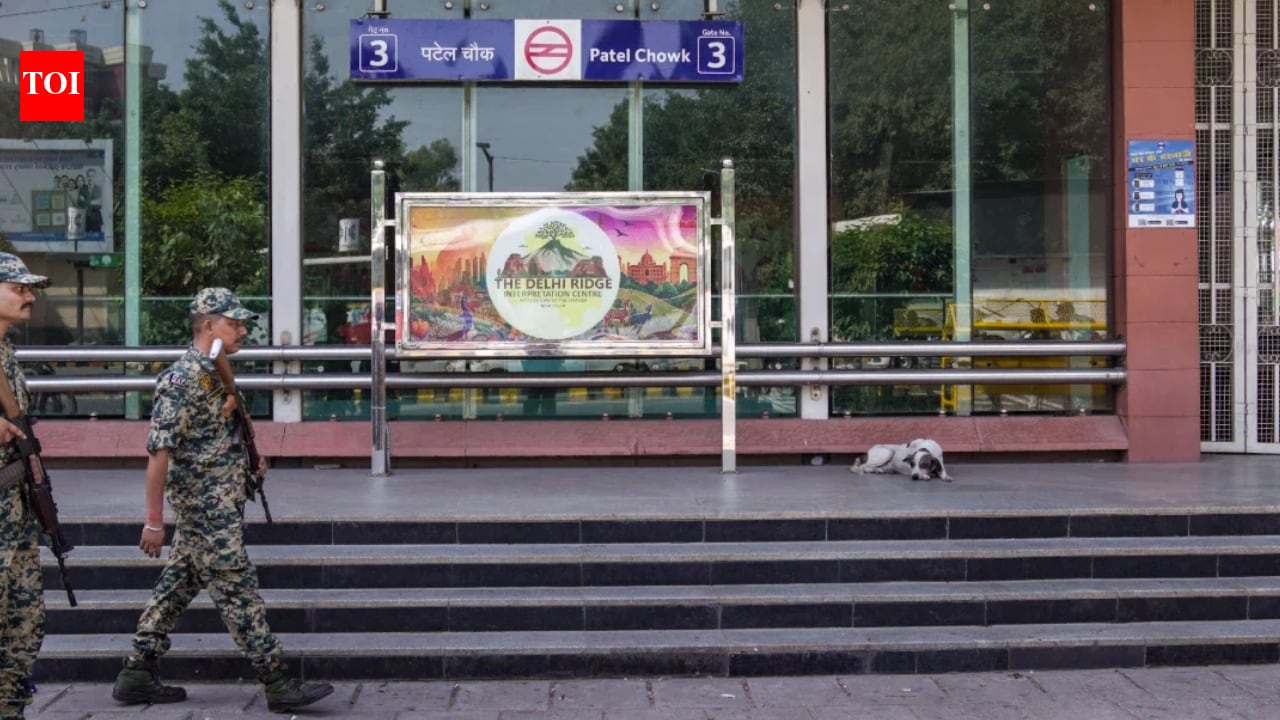
Congress leader Rahul Gandhi has accused PM Modi of stifling democracy and inciting violence against students amidst widespread protests in Delhi. The unrest led to the closure of 45 Delhi Metro stations and heavy security deployments across the national capital.
Tensions Escalate: Rahul Gandhi Levels Allegations Against PM Modi
Congress leader and Leader of the Opposition in the Lok Sabha, Rahul Gandhi, recently utilized a youth outreach event in Chennai, titled 'Chhatron Ki Goonj,' to launch a scathing critique of Prime Minister Narendra Modi. Gandhi characterized the Prime Minister's governance as an assault on India’s democratic framework, employing the provocative moniker "Mogambo Modi" to signify what he perceives as authoritarian tendencies. This rhetoric highlights the deepening ideological divide between the Congress party and the ruling BJP.
The Context of 'Jantar Mantar 2.0'
The political friction has manifested physically in the national capital, where a planned protest—referred to as 'Jantar Mantar 2.0'—has triggered a massive security response. The protest, which attracted participants from the National Capital Region (NCR) including Gurugram and Faridabad, resulted in significant administrative measures. Authorities implemented a sweeping lockdown of public infrastructure, specifically closing 45 Delhi Metro stations to entry and exit, effectively paralyzing transit across critical hubs like Rajiv Chowk, Central Secretariat, and Mandi House.
Security Measures and Public Disruption
By the morning of October 10, the New Delhi district resembled a fortress. Delhi Police and security forces established a comprehensive security perimeter, blocking arterial roads such as Janpath and Ashoka Road. The presence of personnel equipped with tear gas munitions and the systematic detention of early-arrival protesters signal a high-stakes environment. These measures were designed to neutralize the protest movement before it could gain momentum, leading to extensive traffic diversions and public inconvenience.
Gandhi’s Accusations of State-Sanctioned Violence
Rahul Gandhi explicitly linked the administrative crackdown in Delhi to his broader narrative of the current government silencing dissent. He alleged that the state utilized police forces and external actors to suppress students, framing the shutdown of the capital as a direct attempt to stifle the voices of the youth. His assertion that the "drama" of the current administration is approaching its conclusion underscores a strategic effort by the opposition to frame the upcoming political cycle as a referendum on democratic values.
Broader Implications for Indian Democracy
The events in Chennai and Delhi represent a significant moment in contemporary Indian politics, where street-level mobilization and high-level political rhetoric are increasingly intertwined. The use of mass transit restrictions as a tool for protest management raises ongoing questions about the balance between public safety and the right to peaceful assembly. As the opposition continues to challenge the government on issues of "vote chori" and democratic integrity, the political landscape remains highly polarized.
Future Trends and Outlook
Looking ahead, it is likely that the 'Chhatron Ki Goonj' initiative and similar youth-focused outreach efforts will become central to the Congress party's strategy to mobilize younger demographics against the BJP. Conversely, the government's reliance on heavy security and administrative lockdowns suggests a firm stance against decentralized protests. The tension between these two approaches will likely define the political discourse in the months to come, as both sides seek to control the narrative regarding the health of India's democratic institutions.
Multiple Citing Sources