Over 10,000 Expected To Attend 22 Weddings Today, Traffic Advisory Issued In Delhi
Source Entity
NDTV News Search Records Found 1000
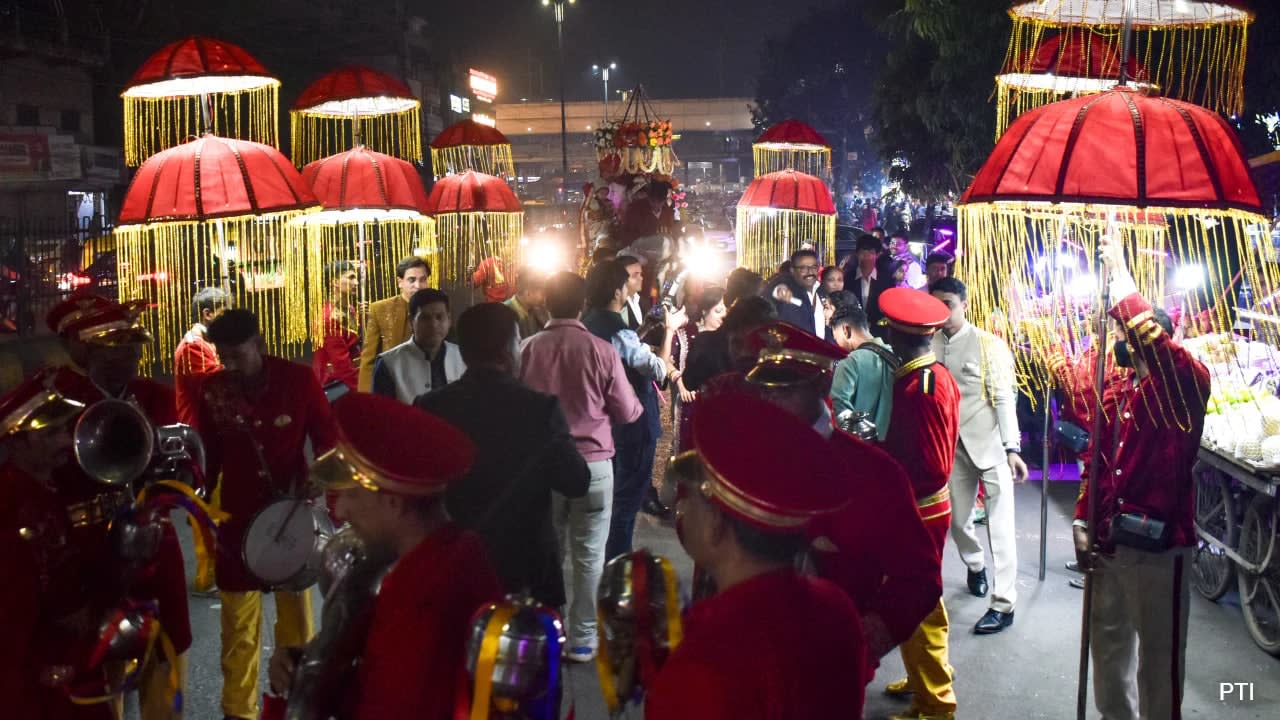
Delhi is facing severe traffic congestion as over 10,000 weddings take place simultaneously. Authorities have deployed extra personnel to manage the resulting gridlock across major city stretches.
Delhi Faces Massive Gridlock Amidst Peak Wedding Season
Delhi, the national capital of India, is currently grappling with severe traffic disruptions as the city experiences a massive surge in wedding-related activity. Reports indicate that over 10,000 weddings are scheduled for a single day, creating an unprecedented strain on the city’s urban infrastructure. This phenomenon has turned arterial roads and key junctions into bottlenecks, leaving thousands of commuters stranded for hours as the festive fervor intersects with daily traffic flow.
The Anatomy of the Congestion
The traffic congestion is not localized but widespread, affecting critical corridors such as the Delhi-Noida road, Madhuban Chowk, Peeragarhi, and Old Rohtak Road. The primary cause of this gridlock stems from a combination of high guest volume at banquet halls and the tendency for wedding processions to spill onto public roads. The use of roadside fireworks and the haphazard parking of vehicles near venues have significantly reduced the carriageway width, compounding the delays for regular commuters.
Impact on Urban Infrastructure
The sheer volume of vehicles associated with 10,000 simultaneous events highlights the limitations of Delhi’s current traffic management systems during peak social seasons. When banquet halls—often located along busy thoroughfares—reach capacity, the overflow of parked vehicles and guest arrivals creates a ripple effect that slows down traffic for kilometers. This situation underscores the broader challenge of urban planning in a city where commercial event venues often lack sufficient off-street parking facilities.
Law Enforcement Response
In response to the chaos, the Delhi Traffic Police have initiated a comprehensive deployment of personnel across the city. The primary objective of this intervention is to regulate vehicular movement and prevent total gridlock. While the police are actively working to clear obstructions and manage flow, the scale of the events makes it difficult to maintain normal traffic speeds. Authorities have issued advisories to the public, urging commuters to plan their journeys in advance and anticipate delays near popular banquet hubs.
Future Implications and Trends
This event serves as a microcosm of the challenges faced by rapidly growing metropolitan areas. As the wedding industry continues to expand in scale and frequency, the pressure on public infrastructure will likely increase. Future urban development policies may need to reconsider the zoning of large-scale event venues, potentially mandating stricter parking requirements or shifting such venues to peripheral areas to alleviate pressure on the inner-city road network.
Conclusion
Ultimately, the current traffic situation in Delhi is a result of the collision between traditional social practices and modern urban realities. While the deployment of additional traffic personnel provides temporary relief, the persistent nature of these snarls suggests a need for long-term strategic changes in how the city manages large-scale social events. For now, commuters are advised to exercise patience and stay informed through official traffic advisory channels as the city navigates this high-intensity wedding day.
Verification Required?