Bumper-to-bumper traffic hits Delhi as VIP movement halts movement
Source Entity
Latest News: Today's Latest News Headlines from India & World | Hindustan Times | Hindustan Times
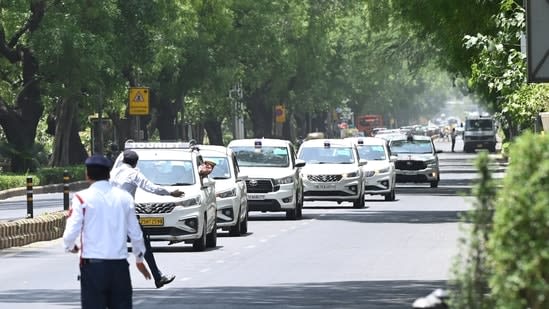
Severe traffic congestion paralyzed Delhi due to scheduled VIP movements, a situation worsened by the Delhi Traffic Police's failure to issue public diversion advisories despite having two days' prior notice.
Urban Paralysis: Analyzing the Impact of VIP Movement on Delhi's Traffic
Delhi, a city already grappling with immense population density and a strained road infrastructure, recently witnessed a state of total gridlock. The catalyst for this bumper-to-bumper traffic was scheduled VIP movement, which effectively halted the flow of vehicles across key arterial roads. While VIP movements are a frequent occurrence in the national capital, the scale of the resulting chaos highlights a critical failure in urban management and public communication.
The Communication Breakdown
A pivotal point of failure in this incident was the absence of a formal traffic advisory. Reports indicate that the VIP movement was scheduled two days in advance, providing the Delhi Traffic Police with ample time to strategize and inform the public. However, the failure to utilize social media handles and other digital communication channels to announce diversions left thousands of commuters unaware of the disruptions. In an era where real-time information is expected, this lack of transparency transformed a manageable scheduling event into a city-wide logistical nightmare.
The Persistence of 'VIP Culture'
This event brings back the long-standing debate regarding 'VIP culture' in India. The practice of halting public traffic to facilitate the seamless movement of high-ranking officials often prioritizes the convenience of a few over the productivity of millions. Historically, these protocols have been criticized for causing significant economic loss in terms of wasted man-hours and increased fuel consumption. When such movements are poorly coordinated, as seen in this instance, the social cost increases, leading to heightened public frustration and distrust in administrative efficiency.
Infrastructure Strain and Cascading Effects
Delhi's road network operates on a razor-thin margin of capacity. Any sudden blockage or unplanned diversion creates a ripple effect, where congestion on one primary road quickly spills over into residential colonies and secondary lanes. Because the traffic police failed to guide drivers toward alternative routes, the 'bumper-to-bumper' situation became self-sustaining. The resulting gridlock not only delayed daily commuters but likely hampered emergency services, including ambulances and fire tenders, emphasizing that poor traffic communication is not just an inconvenience but a potential safety hazard.
The Role of Digital Governance
Modern traffic management relies heavily on the synergy between physical policing and digital alerts. Most commuters now rely on platforms like X (formerly Twitter) and Google Maps for real-time updates. When the official authority—the Delhi Traffic Police—remains silent despite prior knowledge of an event, it creates a vacuum of information. This forces drivers to rely on anecdotal evidence or discover the blockage only after they are already trapped in it. The failure to issue an advisory suggests a disconnect between the planning phase of VIP movement and the execution of public outreach.
Conclusion and Future Outlook
To prevent such recurrences, there is an urgent need for a digitized, automated advisory system that triggers alerts based on scheduled road closures. Moving forward, the administration must balance the security requirements of VIPs with the fundamental right of the public to mobility. If Delhi is to evolve into a smart city, the management of its roads must shift from a reactive approach to a proactive, communication-first strategy that treats the general commuter's time as a valuable resource.
Verification Required?