Delhi University Admissions 2026: Over 2.73 lakh sign up as Commerce, Humanities dominate preferences
Source Entity
The Indian Express
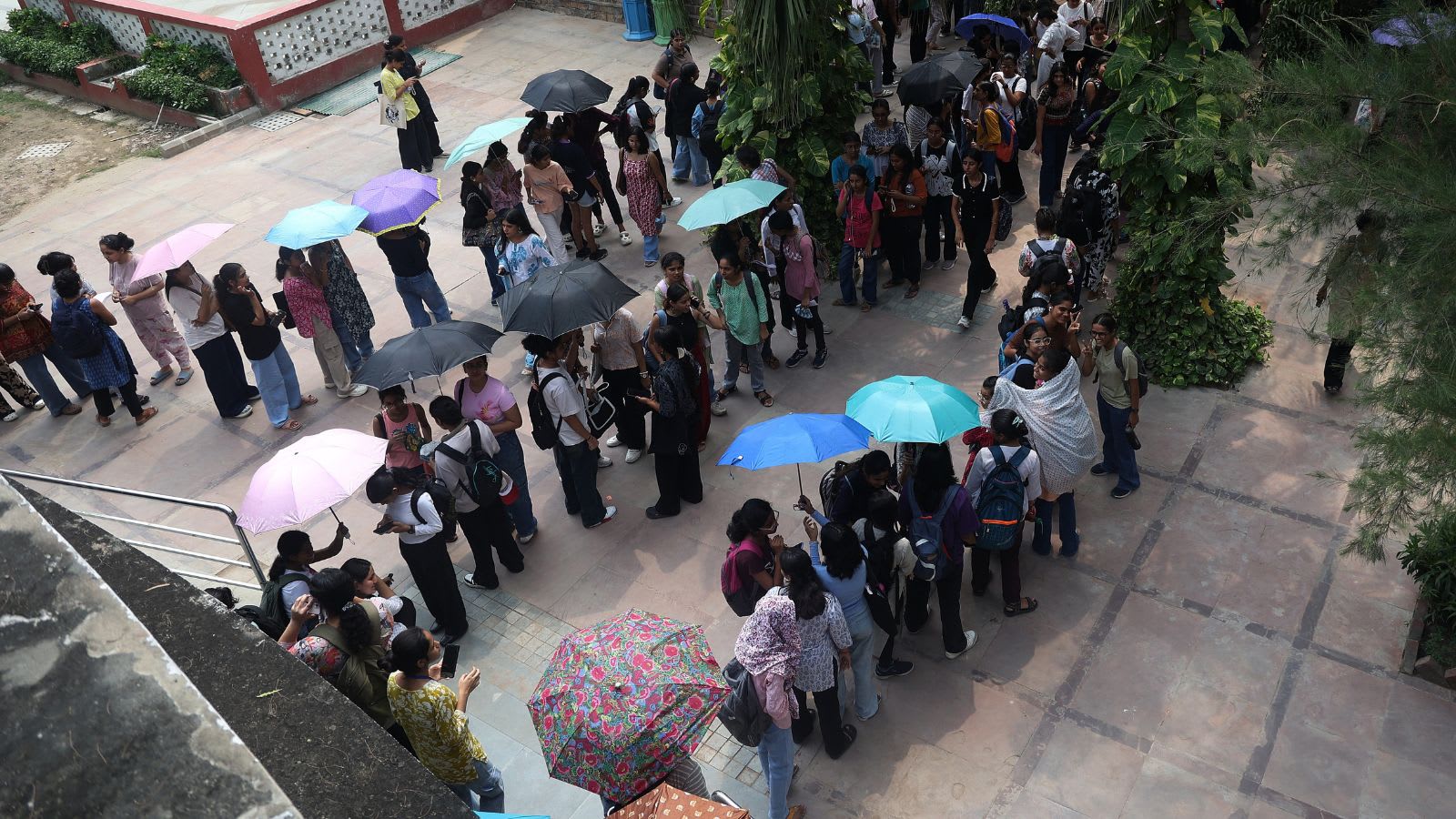
More than 2.73 lakh aspirants have registered for undergraduate admissions at the University of Delhi (DU) for the 2026-27 academic session, with over 2.06 lakh candidates completing the crucial cours...
Analysis of Delhi University Undergraduate Admissions 2026-27
The recent announcement regarding the registration figures for Delhi University (DU) undergraduate admissions for the 2026-27 academic session reveals a staggering level of interest in one of India's most prestigious educational hubs. With over 2.73 lakh aspirants signing up, the data underscores the enduring allure of DU as a primary destination for higher education. This massive influx of applicants highlights not only the university's brand value but also the intensifying competition for quality undergraduate degrees in the Indian capital.
The Gap Between Registration and Preference Completion
A critical detail in the reported figures is the discrepancy between the total registrations (2.73 lakh) and those who actually completed their course preferences (2.06 lakh). This gap of approximately 67,000 candidates suggests a significant segment of the applicant pool that may have encountered technical hurdles, faced indecision regarding their academic path, or opted for other institutional alternatives after the initial registration. For educational analysts, this indicates that while the initial "top-of-funnel" interest is immense, the actual competitive pool is slightly narrower, though still overwhelmingly large.
Dominance of Commerce and Humanities
The reported dominance of Commerce and Humanities preferences marks a continuing trend in Indian higher education where students are increasingly gravitating toward professional and social science degrees. The preference for Commerce is likely driven by the perceived stability and lucrative career paths in finance, accounting, and management. Simultaneously, the surge in Humanities suggests a growing interest in multidisciplinary studies, psychology, and political science, reflecting a societal shift where liberal arts are being viewed as essential for critical thinking and leadership in a complex global economy.
The Role of the Common University Entrance Test (CUET)
To understand these numbers, one must consider the broader context of the Common University Entrance Test (CUET). The transition to a centralized entrance system has democratized access to DU, allowing students from across the country—not just those from the Delhi region—to apply. This nationalization of the applicant pool is the primary driver behind the 2.73 lakh registration figure. By removing the reliance on high school board percentages, which varied wildly across different state boards, CUET has created a standardized benchmark, though it has simultaneously increased the sheer volume of competition for limited seats in top-tier colleges.
Competitive Implications for Top Institutions
With over 2 lakh students finalizing their preferences, the competition for "North Campus" colleges—such as Shri Ram College of Commerce (SRCC) or St. Stephen's—will be exceptionally fierce. The preference-filling stage is the most strategic part of the admission process; students must carefully rank their choices to optimize their chances of securing a seat. Given the preference for Commerce and Humanities, we can expect the cutoff scores for these streams to remain high, potentially pushing many qualified candidates toward "South Campus" or off-campus colleges.
Future Trends and Educational Shifts
Looking forward, these trends suggest that the demand for specialized professional degrees within the humanities and commerce sectors will continue to grow. We are likely to see an increased demand for vocational integrations and multidisciplinary courses as per the National Education Policy (NEP) 2020. As more students move away from traditional science streams toward these fields, DU may face pressure to expand its infrastructure or introduce more diverse course offerings to accommodate the evolving interests of the youth.
Conclusion
In summary, the 2026-27 admission cycle for Delhi University reflects a high-stakes environment characterized by massive participation and a clear preference for Commerce and Humanities. While the registration numbers demonstrate the university's continued dominance in the educational landscape, the high volume of applicants ensures that the admission process will remain an intense struggle for merit. The data serves as a barometer for the current aspirations of Indian students, pointing toward a future centered on professional versatility and social science expertise.