Aastha Kunj gang rape area was already a Delhi Police ‘dark spot’; but lighting gaps remained
Source Entity
India Latest News: Top National Headlines Today & Breaking News | The Hindu
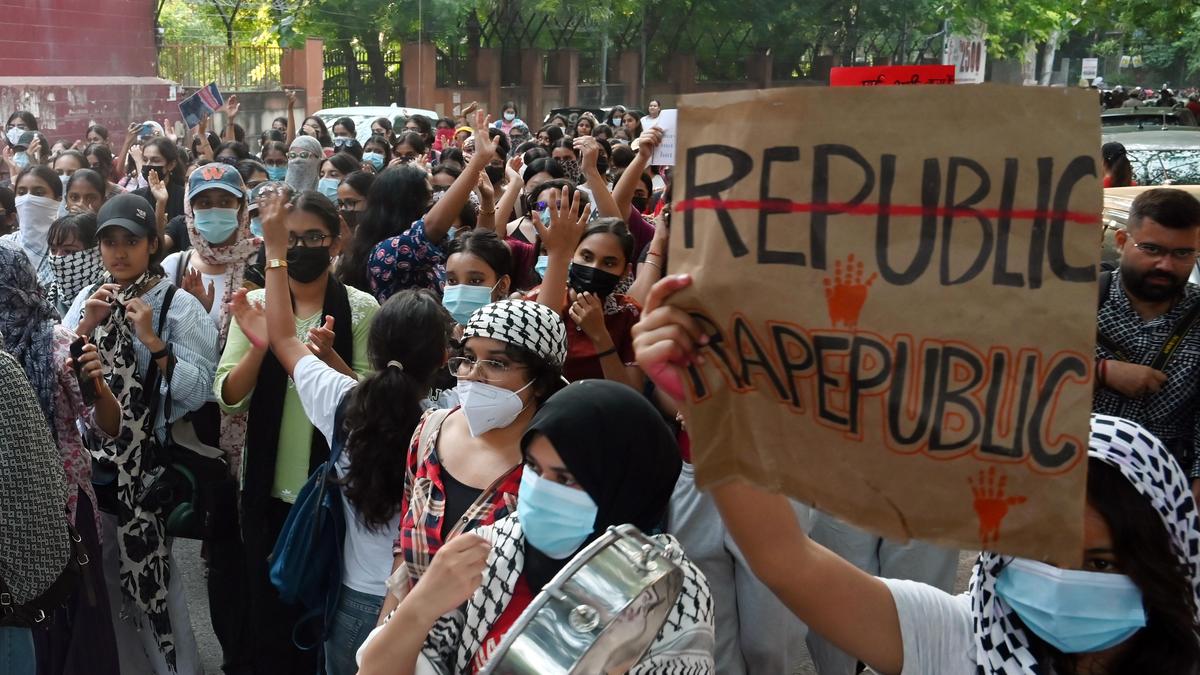
Delhi University students are protesting following a series of sexual violence incidents, demanding improved safety measures. In response, the NDMC has initiated a project to install streetlights at 700 identified 'dark spots' across Lutyens' Delhi to enhance public safety.
Student Uprising Against Gender-Based Violence
The recent surge of activism at Delhi University (DU) marks a critical inflection point in the discourse surrounding women's safety in the national capital. Nearly 200 students from prestigious institutions like Lady Shri Ram College, Gargi College, Miranda House, and Kamala Nehru College have taken to the streets, chanting "Halla Bol!" to demand systemic change. This mobilization was triggered by the harrowing gangrape of a 17-year-old girl at the DDA’s Aastha Kunj Park in Southeast Delhi, an incident that has amplified the collective trauma and frustration of the student body.
The Intersection of Public Space and Safety
The protests emphasize a fundamental right: the ability to move through public spaces without fear. The Aastha Kunj Park incident, where three men allegedly targeted a minor, has highlighted critical infrastructure failures. Students have pointedly criticized the lack of adequate lighting, which often transforms public parks into vulnerable zones. This protest is not an isolated event but the second demonstration within a single week, signaling a sustained movement that refuses to be placated by temporary assurances.
Investigative Progress and Accountability
On the legal front, the Delhi Police have moved to consolidate evidence, recording statements from 12 witnesses, including security guards and workers from a nearby LPG godown. Crucially, these witnesses identified two of the three arrested suspects—Asif and Hemant—as individuals who had previously engaged in the harassment of park visitors. This testimony suggests a pattern of predatory behavior that may have gone unchecked, raising serious questions about the efficacy of local surveillance and the security protocols managed by the Delhi Development Authority (DDA).
Civic Response: Addressing 'Dark Spots'
In a direct response to the mounting pressure from student activists and the broader public, the New Delhi Municipal Council (NDMC) has announced a significant infrastructure project. Valued at ₹18.26 crore, the initiative aims to install streetlights and poles at 700 identified "dark spots" across Lutyens’ Delhi. By targeting areas such as Tughlak Road, Akbar Road, and Janpath Lane, the NDMC is attempting to mitigate the physical environments that facilitate criminal activity.
Broader Implications and Future Trends
While the installation of lights is a necessary step, the student-led movement highlights that infrastructure is only one component of a larger safety ecosystem. The inclusion of incidents from Bihar—specifically the molestation of minors in Jamui and Samastipur—in the students' protest rhetoric indicates a broadening of the scope; they are demanding a national dialogue on the safety of women and children. The trend suggests that future policy-making in Delhi will likely be subjected to intense public scrutiny, with civic bodies forced to prioritize urban safety audits as a standard operating procedure rather than a reactive measure.
Conclusion
The convergence of student activism and civic infrastructure projects underscores a shift in how Delhi addresses gender-based violence. While the NDMC’s commitment to lighting dark spots addresses a tangible physical vulnerability, the persistence of the student protests serves as a reminder that substantive safety requires sustained systemic reform. Moving forward, the success of these measures will depend on the intersection of diligent law enforcement, responsive urban planning, and the continued vigilance of civil society.
Verification Required?