‘Gen Z not here to make reels’: DU students’ women’s safety protest intensifies
Source Entity
The Indian Express
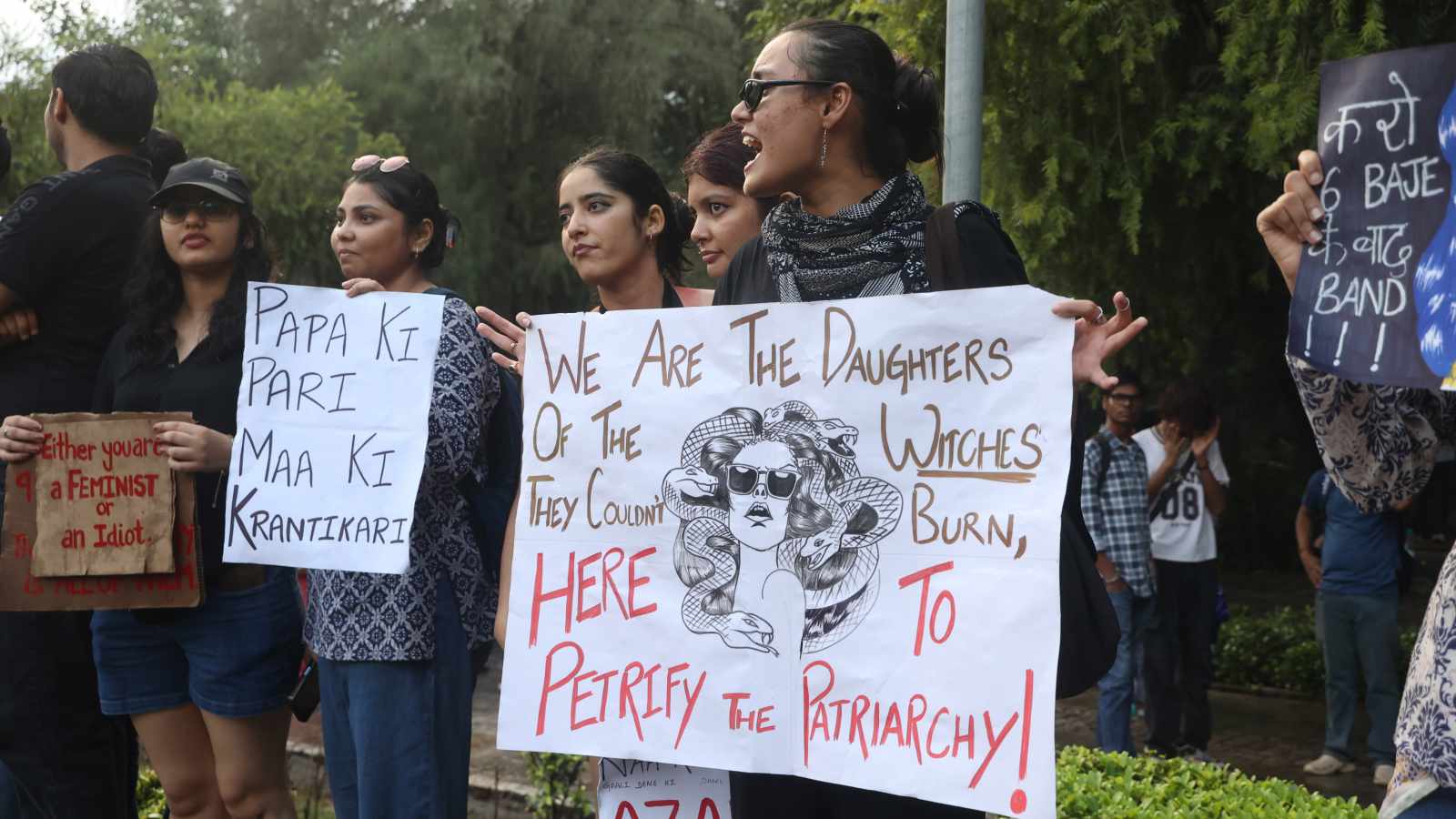
Delhi University students are staging large-scale protests demanding enhanced safety for women following a recent gangrape incident in South Delhi. The demonstrations highlight growing student activism and a demand for systemic accountability across educational institutions.
The Resurgence of Student Activism at Delhi University
The recent wave of protests at Delhi University (DU) marks a significant escalation in student-led movements concerning the safety of women and queer individuals on campus and beyond. Hundreds of students gathered at the Faculty of Arts, braving inclement weather to demand structural changes in security protocols. This demonstration, the third and largest in a single week, underscores a palpable frustration with the current state of public safety, effectively moving the discourse from passive grievance to active, loud, and visible resistance.
The Catalyst: Addressing Systemic Violence
These protests were sparked by a harrowing incident in South Delhi, where a 17-year-old girl was allegedly gangraped at Aastha Kunj Park. This event acted as a violent catalyst, exposing the vulnerabilities women face in public spaces. The movement gained momentum through coordinated marches near prominent institutions like Lady Shri Ram College, Gargi College, and Kamala Nehru College, signaling that student bodies are no longer willing to accept these incidents as isolated tragedies, but rather as systemic failures that require immediate administrative and governmental intervention.
Inclusivity and the Nature of Protest
Notably, the organisers designated the Monday demonstration as “strictly for women and queer participants.” This strategic choice highlights a shift in how modern student movements approach safety, emphasizing the need for spaces where marginalized groups can voice their specific concerns without external interference. By focusing on the intersectionality of safety, the protesters are challenging the status quo, moving beyond traditional protest models to foster an environment of shared solidarity among those most at risk of gender-based violence.
Expanding the Scope of Concern
While the immediate impetus was the South Delhi incident, the protesters are framing their fight within a broader national context. By citing similar instances of violence in states like Punjab and Bihar, the students are highlighting that the crisis of women’s safety is not a localized Delhi issue but a widespread systemic challenge. This comparative approach serves to pressure authorities by suggesting that the current safety infrastructure across India is inadequate and that a standardized, robust policy framework is long overdue.
The Future of Campus Demands
The resolve demonstrated by the students—who continued their protest despite heavy rain—suggests that this movement is unlikely to dissipate quickly. The use of placards and loud sloganeering indicates a high level of organization and a clear intent to force a change in policy. As these students continue to mobilize, the university administration and local law enforcement face mounting pressure to move beyond cosmetic security measures and implement substantive changes that prioritize the well-being of the student population.
Conclusion
The DU protests represent a critical juncture in the ongoing battle for public safety in India. By linking local tragedies to national trends, these students are positioning themselves as a formidable political force. The success of this movement will likely depend on the ability of the organizers to sustain this momentum and translate their public demands into tangible legislative or administrative reforms.