Delhi Vasant Kunj Rath Yatra: Expect slow traffic, regulations on these routes
Source Entity
The Indian Express
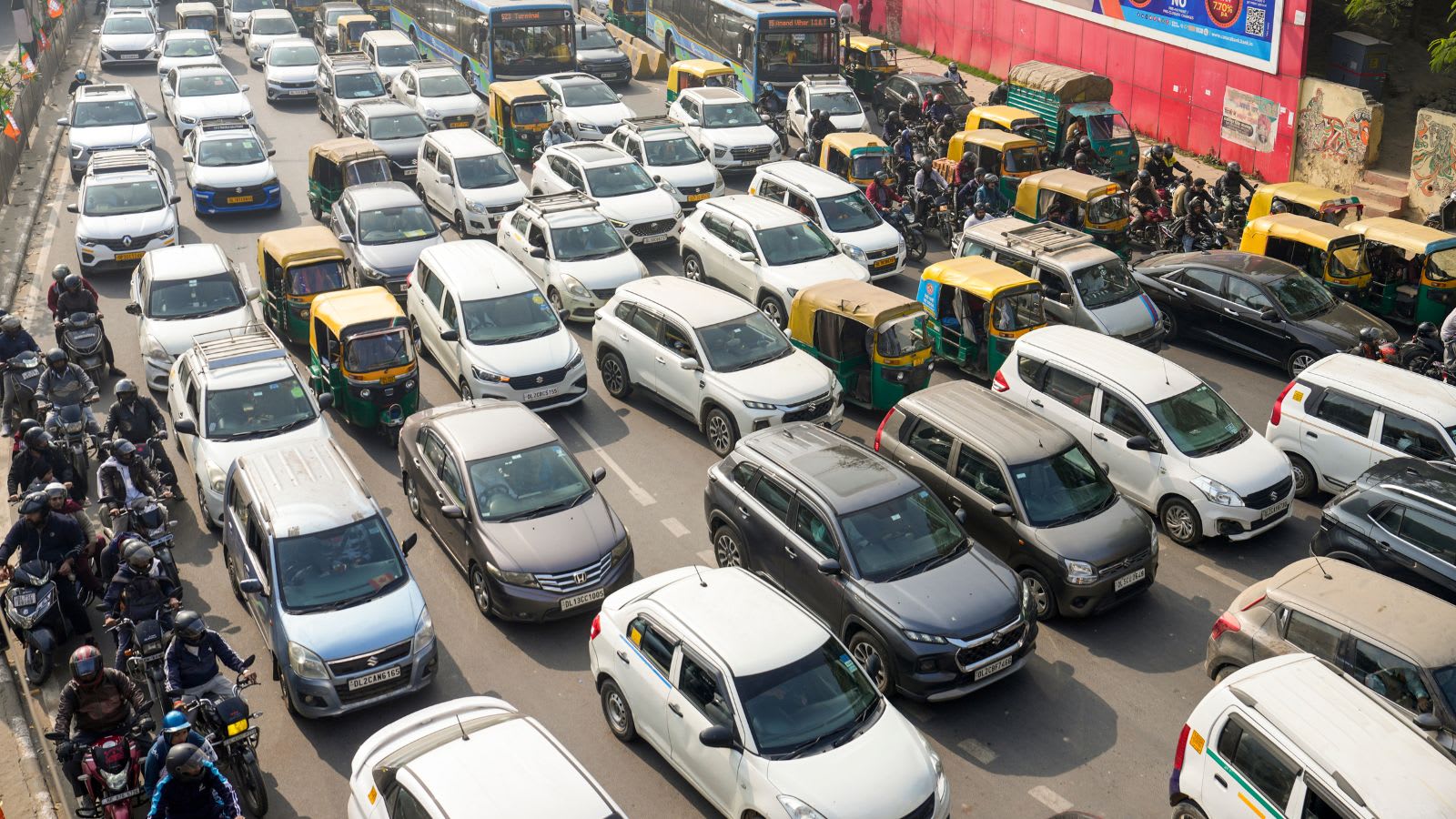
Delhi Traffic Police have issued a traffic advisory for the Rath Yatra festivities in Vasant Kunj, warning commuters of potential delays and route regulations in the D-2 area.
Navigating the Spiritual and Urban Intersection: The Vasant Kunj Rath Yatra
The announcement by the Delhi Traffic Police regarding special arrangements for the Rath Yatra in Vasant Kunj highlights the recurring challenge of balancing large-scale religious observances with the logistical demands of a metropolitan hub. The Rath Yatra, a significant event involving the procession of deities on chariots, naturally draws substantial crowds, transforming residential and commercial arteries into pedestrian-heavy zones. In the specific context of Vasant Kunj, particularly around the D-2 area, the intersection of narrow residential lanes and high-traffic corridors makes the issuance of a formal traffic advisory critical for maintaining city order.
Logistical Management and Traffic Regulation
The intervention of the Delhi Traffic Police is a necessary response to the inherent congestion caused by slow-moving processions. When a Rath Yatra occurs, the movement of the chariot is deliberate and slow, often accompanied by devotees walking alongside. This effectively reduces the throughput of the affected roads to nearly zero. By implementing route regulations and notifying the public in advance, the authorities aim to prevent 'gridlock'—a situation where vehicles are trapped in a deadlock, hindering not only civilian commute but also the movement of emergency services. The strategic deployment of personnel at key junctions is essential to divert non-essential traffic away from the D-2 pocket, ensuring that the festivities do not paralyze the surrounding neighborhoods.
Cultural Significance in an Urban Setting
To understand the scale of this event, one must look at the broader cultural context of the Rath Yatra. Traditionally associated with the Jagannath Temple in Puri, the festival has evolved into a global phenomenon celebrated by various communities across India and the world. In Delhi, these celebrations serve as vital community-binding events. However, hosting such a tradition in a planned colony like Vasant Kunj presents a unique set of challenges. The transition of a public road into a sacred space for a few hours requires a high degree of coordination between the organizers and the civic administration to ensure that the religious sentiment is respected without compromising public safety.
Urban Infrastructure and the 'Festival Effect'
This event underscores a broader trend in urban planning within Indian metros: the 'festival effect.' City infrastructure is often designed for peak-hour commuting but rarely for the sporadic, high-density surges associated with religious processions. The Vasant Kunj advisory is a microcosm of how cities like Delhi manage these surges through tactical urbanism—temporarily altering the function of a road to accommodate a cultural event. The long-term implication is the need for dedicated 'event zones' or more flexible traffic management systems that can pivot quickly based on the city's cultural calendar, reducing the stress on daily commuters.
Security Implications and Crowd Control
Beyond simple traffic flow, the police arrangements for the Rath Yatra involve critical security considerations. Large gatherings in urban centers are susceptible to crowd-crush incidents or security breaches. The 'special arrangements' mentioned in the advisory likely include the deployment of barricades and crowd-control barriers to keep the procession on a designated path. By regulating the routes, the police can create 'buffer zones' that prevent the crowd from spilling over into main arterial roads, thereby maintaining a safety corridor for both the devotees and the general public.
Conclusion
The Rath Yatra in Vasant Kunj is more than just a traffic hurdle; it is a reflection of the complex interplay between faith, community, and urban governance. While the immediate result is slow traffic and route diversions, the successful execution of such events depends on the proactive communication from the Delhi Traffic Police and the cooperation of the citizenry. As Delhi continues to grow, the ability to integrate these traditional processions into the modern urban fabric will remain a key test for the city's administrative efficiency.