Judge vs airline: Denied boarding due to overbooking, judicial officer wins Rs 1 lakh
Source Entity
Jagriti Rai
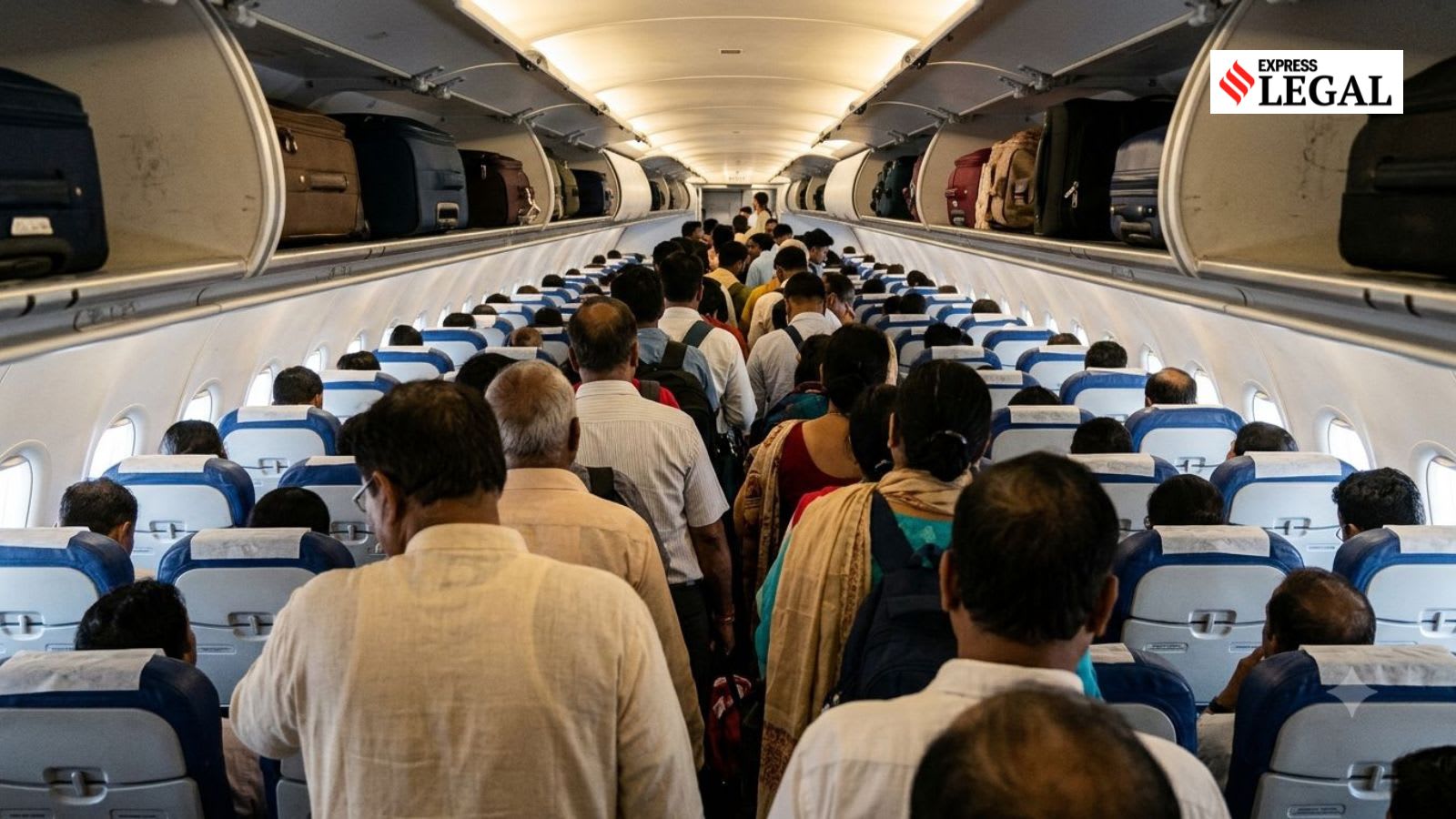
A Chhattisgarh judge was awarded ₹1 lakh in compensation after Vistara Airlines denied him boarding on a connecting flight from Delhi due to overbooking, despite him holding a confirmed ticket.
Judicial Recourse Against Airline Overbooking: A Case Study in Consumer Rights
In a significant victory for passenger rights in India, a judicial officer from Chhattisgarh was awarded ₹1 lakh in compensation after being denied boarding by Vistara Airlines. The incident occurred at the Delhi airport, where the judge, returning from a family vacation in Kashmir, was informed that he could not board his connecting flight despite possessing a confirmed ticket. This case highlights the tension between airline operational strategies and the contractual obligations owed to passengers, emphasizing that no individual—regardless of their professional standing—is exempt from the frustrations of aviation mismanagement, but also that the law provides a robust mechanism for redress.
The Logistics and Ethics of Overbooking
To understand the gravity of this event, one must examine the industry practice of "overbooking." Airlines frequently sell more tickets than there are seats available on a flight, calculating a certain percentage of "no-shows" to maximize load factors and revenue. While this is a standard business model globally, it becomes a legal liability when the number of passengers who actually show up exceeds the aircraft's capacity. In this specific instance, Vistara's failure to manage its overbooking threshold resulted in a confirmed passenger being stranded. This represents a fundamental breach of the contract of carriage, where the airline fails to deliver the service for which it has already accepted payment.
Legal Implications of a "Confirmed Ticket"
From a legal perspective, a confirmed ticket is not merely a reservation but a binding agreement. When an airline denies boarding to a passenger with a confirmed seat, it is often categorized as a "deficiency in service" under consumer protection laws. The fact that the plaintiff in this case is a judicial officer adds a layer of procedural precision to the claim. The court's decision to award ₹1 lakh suggests that the compensation was intended not only to cover the financial loss of the ticket and associated inconveniences but also to provide punitive damages for the mental agony and harassment caused by the airline's negligence.
The Intersection of Power and Consumerism
There is a poignant irony in a judge—an arbiter of the law—finding himself on the receiving end of corporate apathy. However, this case serves as a critical reminder that the legal system is the ultimate equalizer. While a common citizen might feel intimidated by the legal resources of a major airline, the successful outcome of this case demonstrates that the judiciary prioritizes the rights of the consumer over the operational convenience of a corporation. The ruling reinforces the principle that corporate policies regarding overbooking cannot supersede the statutory rights of the passenger.
Broader Implications for the Indian Aviation Sector
This ruling is likely to send a ripple effect through the Indian aviation industry. As air travel becomes more accessible to the masses, the frequency of overbooking disputes is expected to rise. Airlines may now be forced to re-evaluate their compensation protocols for "denied boarding" to avoid costly litigation. Instead of merely offering a flight voucher or a rescheduled ticket, airlines may need to implement more transparent and immediate compensation schemes at the airport to mitigate the risk of passengers seeking judicial intervention.
Future Trends in Passenger Protection
Looking forward, we can expect a surge in consumer awareness regarding "Denied Boarding" rights. This case will likely be cited in future consumer forum disputes to establish a benchmark for compensation amounts. As digital ticketing and real-time inventory management evolve, the excuse of "technical overbooking" will hold less weight in court. Passengers are becoming increasingly aware that they are entitled to dignity and reliability, and the courts are mirroring this shift by penalizing airlines that treat confirmed bookings as optional.
Conclusion
The victory of the Chhattisgarh judge over Vistara Airlines is a landmark reminder of the potency of consumer protection laws in India. By securing ₹1 lakh in compensation, the judicial officer has not only rectified a personal grievance but has also contributed to a larger legal precedent that holds airlines accountable for their operational failures. This case underscores the necessity for airlines to balance their profit-driven overbooking strategies with a commitment to passenger reliability and ethical service delivery.