Relief for bulk waste generators as Minister promises to end vendor monopoly in Bengaluru
Source Entity
India Latest News: Top National Headlines Today & Breaking News | The Hindu
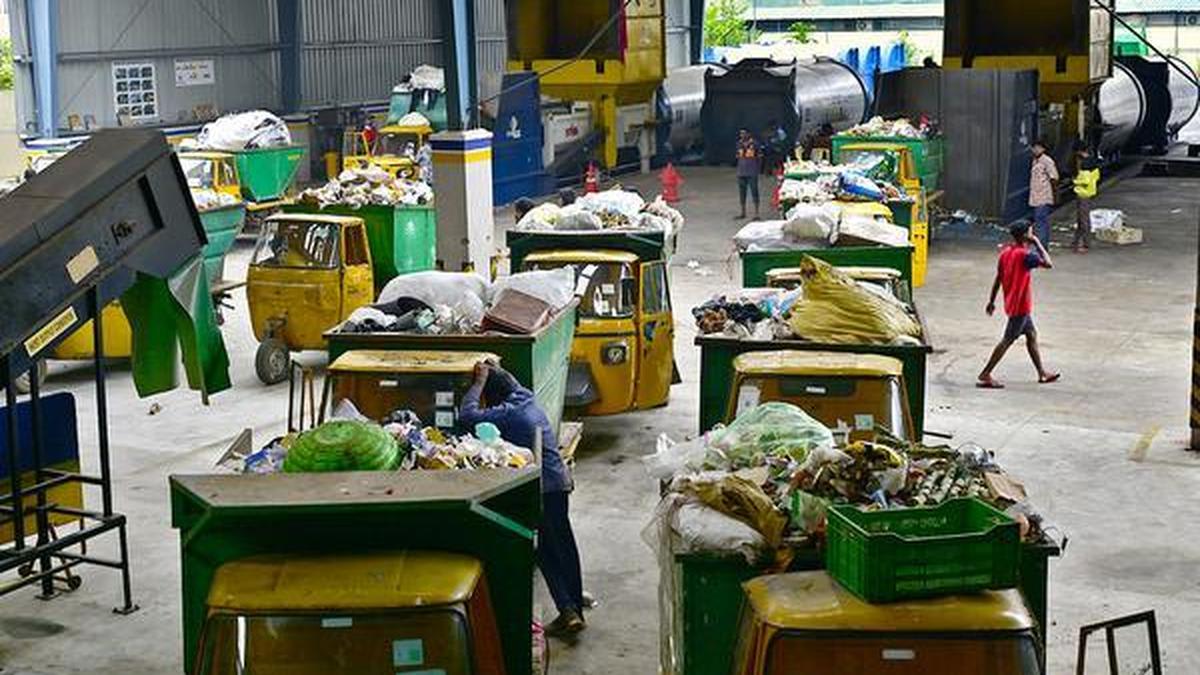
The Minister has announced plans to end the monopoly of five empanelled companies currently managing bulk waste collection for BSWML in Bengaluru, aiming to provide more competitive options and relief for bulk waste generators.
Breaking the Monopoly: A New Era for Waste Management in Bengaluru
Bengaluru, often recognized as India's technological hub, has long grappled with the logistical nightmares of urban waste management. The recent announcement by the Minister to end the vendor monopoly currently enforced by the Bruhat Bengaluru Mahanagara Palike Solid Waste Management Limited (BSWML) marks a significant pivot in how the city handles its bulk waste. For too long, the administrative structure of waste collection has been characterized by a rigid allocation system that stifled competition and limited the options available to the city's largest waste producers.
The Mechanics of the Current Monopoly
Currently, BSWML has empanelled only five companies, with a restrictive mandate assigning one company to each of the city's corporations. This structural arrangement effectively created a localized monopoly, where bulk waste generators (BWGs)—which include large apartment complexes, shopping malls, hotels, and corporate offices—were left with no choice but to utilize the single assigned vendor. In any economic ecosystem, the absence of competition typically leads to a decline in service quality and a lack of incentive for price optimization. For BWGs in Bengaluru, this meant enduring suboptimal collection schedules and inflexible pricing models without any recourse for switching providers.
Implications for Bulk Waste Generators
Bulk waste generators are critical players in the city's sanitation chain. Because they produce significant volumes of waste, their efficiency in segregation and disposal directly impacts the overall cleanliness of the city. When a single vendor controls an entire corporation's bulk waste, there is a systemic risk of inefficiency. If a vendor fails to maintain their fleet or neglects specific routes, the BWGs have no leverage to demand better service because there are no alternative empanelled vendors to turn to. The Minister's promise to dismantle this monopoly is therefore not just an administrative change, but a move to empower these generators through market competition.
Broader Urban Governance and Historical Context
This move reflects a broader trend in Indian urban governance toward decentralization and the introduction of competitive bidding. Historically, Bengaluru has faced severe waste crises, most notably the garbage crisis of 2017, which highlighted the dangers of over-reliance on a few large contractors. By diversifying the pool of available vendors, the city reduces its systemic vulnerability. If one company faces financial instability or operational failure, the city is no longer at risk of a total collapse in waste collection for an entire corporation, as multiple vendors will be operating across the landscape.
Predicting Future Trends in Bengaluru's Sanitation
Looking forward, the end of this monopoly is likely to trigger a surge in specialized waste management startups entering the Bengaluru market. We can expect a shift toward 'smart' waste management, where new vendors compete not just on price, but on technology—such as real-time tracking of waste vehicles and data-driven segregation metrics. Furthermore, this liberalization should encourage vendors to invest in better processing infrastructure, as the ability to attract more BWG clients will depend on their capacity to handle waste sustainably rather than relying on a government-mandated monopoly.
Conclusion
The Minister's intervention serves as a necessary correction to a flawed procurement strategy. By transitioning from a restrictive one-company-per-corporation model to a more open, competitive framework, Bengaluru is positioning itself to improve the efficiency of its waste lifecycle. While the transition may present short-term logistical challenges, the long-term result will likely be a more resilient, cost-effective, and accountable waste management system that benefits both the generators and the city's overall environment.
Verification Required?