‘Just keep him in jail for two days’: A day at Delhi’s first women police station
Source Entity
Sakshi Chand
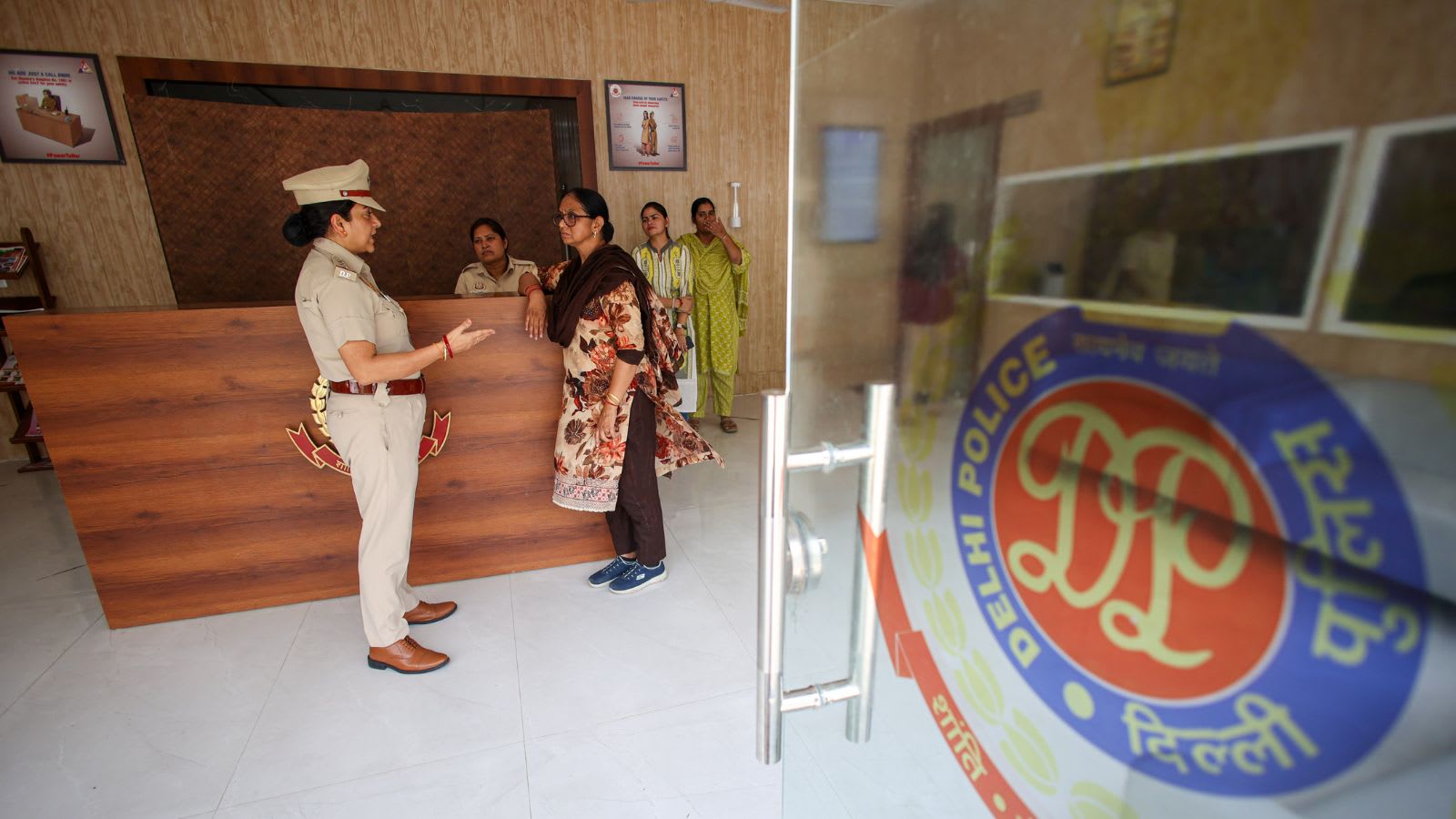
An exploration of the operational realities at Delhi's first all-women police station in Sabzi Mandi, highlighting the intersection of legal enforcement, domestic mediation, and the psychological barriers women face when seeking justice.
The Sanctuary of Justice: Analyzing Delhi's First All-Women Police Station
The narrative of a woman hesitantly entering the all-women police station in Sabzi Mandi, North Delhi, on a humid July morning serves as a poignant microcosm of the systemic challenges women face within the Indian legal framework. The image of a woman clutching a polythene bag of documents—the tangible evidence of her struggle—highlights the meticulous, often desperate, preparation required for victims of domestic instability to seek official intervention. This specific setting is not merely a government office but a critical intersection where the state's legal machinery meets the deeply personal and often traumatic realities of gender-based violence.
The Psychology of 'Temporary' Justice
One of the most striking elements of the report is the request to "just keep him in jail for two days." This plea reveals a complex psychological dynamic common in domestic dispute cases. Rather than seeking a full-scale criminal trial or a permanent divorce—which can be socially stigmatizing and economically devastating—many women seek a 'deterrent' effect. The request for a short-term detention suggests that the police station often functions as a space for crisis intervention and mediation rather than just a venue for formal prosecution. It underscores a reality where the goal is often the restoration of safety or a shift in power dynamics within the home, rather than the strict application of the penal code.
Breaking Institutional Barriers
The establishment of an all-women police station in a bustling area like Sabzi Mandi is a strategic move to lower the 'barrier to entry' for female complainants. In traditional police stations, the presence of a male-dominated hierarchy can inadvertently intimidate victims of domestic abuse or sexual assault, leading to under-reporting or incomplete testimonies. By creating a gender-specific environment, the Delhi Police aim to foster a sense of psychological safety. This institutional shift acknowledges that the environment in which a crime is reported is just as important as the legal process that follows, as it directly impacts the victim's willingness to speak the truth.
Societal Implications and the Burden of Mediation
Beyond the legalities, the report hints at the dual role these officers must play. In a society where familial ties are heavily prioritized, women police officers often find themselves acting as social workers and counselors. They must navigate the thin line between encouraging a woman to exercise her legal rights and managing the immense pressure from extended family members to 'settle' the matter. This dual burden places a significant emotional and professional strain on the officers, who must balance the rigidity of the law with the nuance of social mediation in a culturally complex environment.
Historical Context and Future Trajectories
Historically, the Indian police force has been viewed with skepticism by marginalized groups, particularly women. The transition toward specialized women's stations is part of a broader global trend toward 'victim-centric' policing. As these stations become more integrated into the urban landscape of Delhi, they provide valuable data on the prevalence of domestic issues in specific neighborhoods. Looking forward, the success of the Sabzi Mandi station could lead to a wider rollout of such specialized units, potentially shifting the public perception of the police from a feared authority to a supportive resource.
Conclusion
The Sabzi Mandi women's police station represents more than just an administrative change; it is a symbolic shift toward a more empathetic and accessible justice system. While the request for 'two days of jail' may seem minimal from a legal standpoint, it represents a significant act of courage for the woman reporting the crime. By providing a safe space for these interactions, Delhi is taking a necessary step toward dismantling the systemic silence that surrounds domestic instability, though the journey toward full legal empowerment remains long and arduous.