Delhi's Oldest Voter, 125, Gets Poll Body Notice Over Name Mismatch
Source Entity
NDTV News Search Records Found 1000
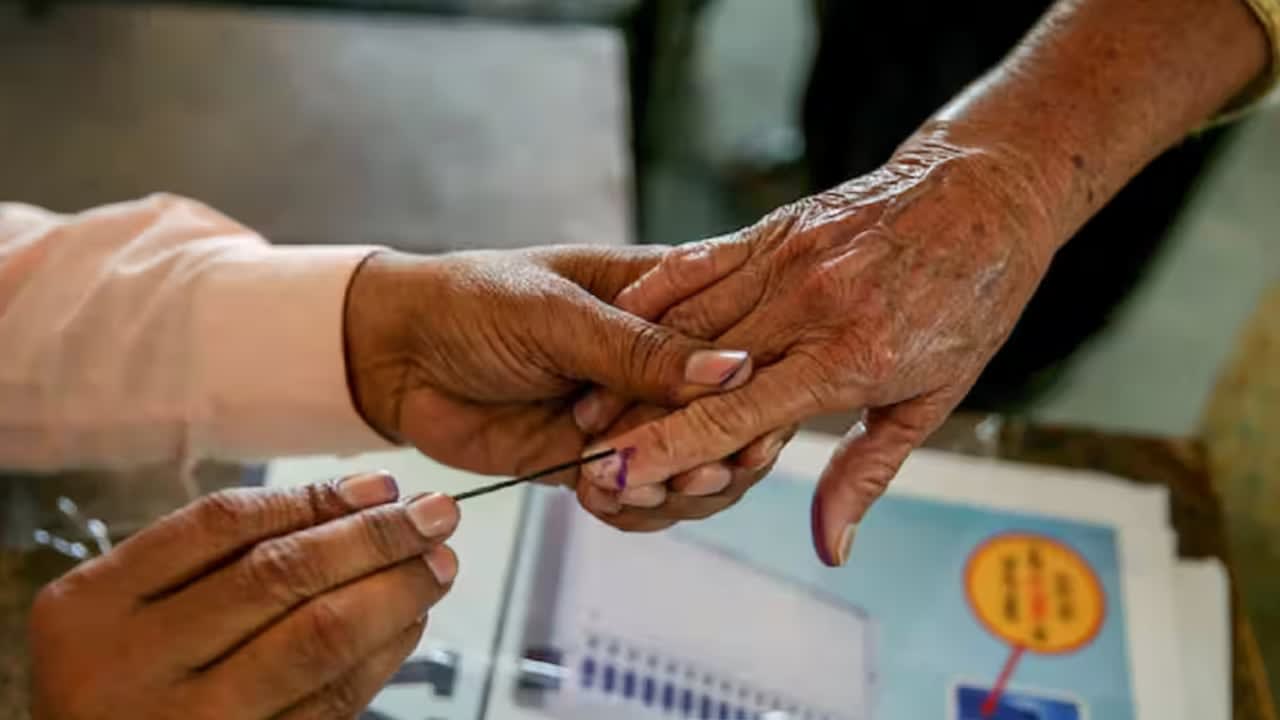
The Delhi Election Commission is conducting a massive Special Intensive Revision of electoral rolls, resulting in the removal of 47 lakh voters. High-profile figures, including the Chief Minister and former CM Arvind Kejriwal, have received notices alongside Delhi's oldest voter, Mukhija, due to data discrepancies.
The Great Electoral Purge: Understanding Delhi's Voter List Revision
In a massive administrative undertaking, the Delhi Election Commission (EC) has initiated a Special Intensive Revision (SIR) of the city's electoral rolls. This process, which saw the publication of a draft roll on August 31, 2026, has resulted in a significant reduction of the voter base, with approximately 47 lakh voters excised from the original count of 1.45 crore. This represents a 32.8% decline, bringing the current number of electors to 97,53,577.
Scope and Scale of the Discrepancies
Chief Electoral Officer Ashok Kumar has confirmed that the commission is actively addressing what it terms 'logical discrepancies' and 'no mapping' issues. The scale of this exercise is unprecedented, with 3.31 million electors—including high-profile political figures like Chief Minister Rekha Gupta and former CM Arvind Kejriwal—being issued notices. The inclusion of such prominent individuals, along with the family members of the former Chief Minister, underscores the systemic nature of these data mismatches.
The Human Impact: From Leaders to the Elderly
While the political implications of the notices are significant, the impact on individual citizens remains a primary concern. The case of Mukhija, reported as Delhi's oldest voter at 125 years, serves as a poignant example of the administrative hurdles introduced by this revision. When even the most senior citizens are subjected to name mismatch notices, it highlights the technical challenges inherent in verifying millions of records simultaneously during the SIR process.
Administrative Challenges and Remediation
The Delhi EC has moved to mitigate the impact of these mass removals by publishing lists of discrepancies online and establishing local camps for hearings. These camps are intended to allow affected individuals to present the necessary documentation to rectify their status. CEO Ashok Kumar has indicated that the commission is prepared to increase the frequency and number of these camps if the volume of claims and objections continues to rise, suggesting a reactive approach to a highly complex data management task.
Broader Implications for Democratic Participation
The removal of one in every three voters from the draft roll raises critical questions regarding the integrity and accessibility of the democratic process in the capital. While the EC frames this as a necessary 'intensive revision' to ensure the accuracy of electoral data, the sheer volume of exclusions necessitates rigorous oversight. The urgent hearing of a plea by the Supreme Court regarding this exercise reflects the high stakes involved in maintaining a fair and inclusive voter list.
Future Trends in Election Management
This event signals a growing trend toward digital-first, data-heavy electoral management. As election bodies transition toward automated verification systems to handle massive population datasets, the risk of technical error grows proportionally. The Delhi experience demonstrates that while data cleaning is essential for electoral integrity, the administrative burden placed on the citizen must be managed carefully to avoid disenfranchisement. Future electoral cycles will likely require more robust, user-friendly verification pathways to prevent similar mass-scale disruptions.
Multiple Citing Sources
Verification Required?