In democratic politics, you can’t keep blaming the referee
Source Entity
Guru Prakash
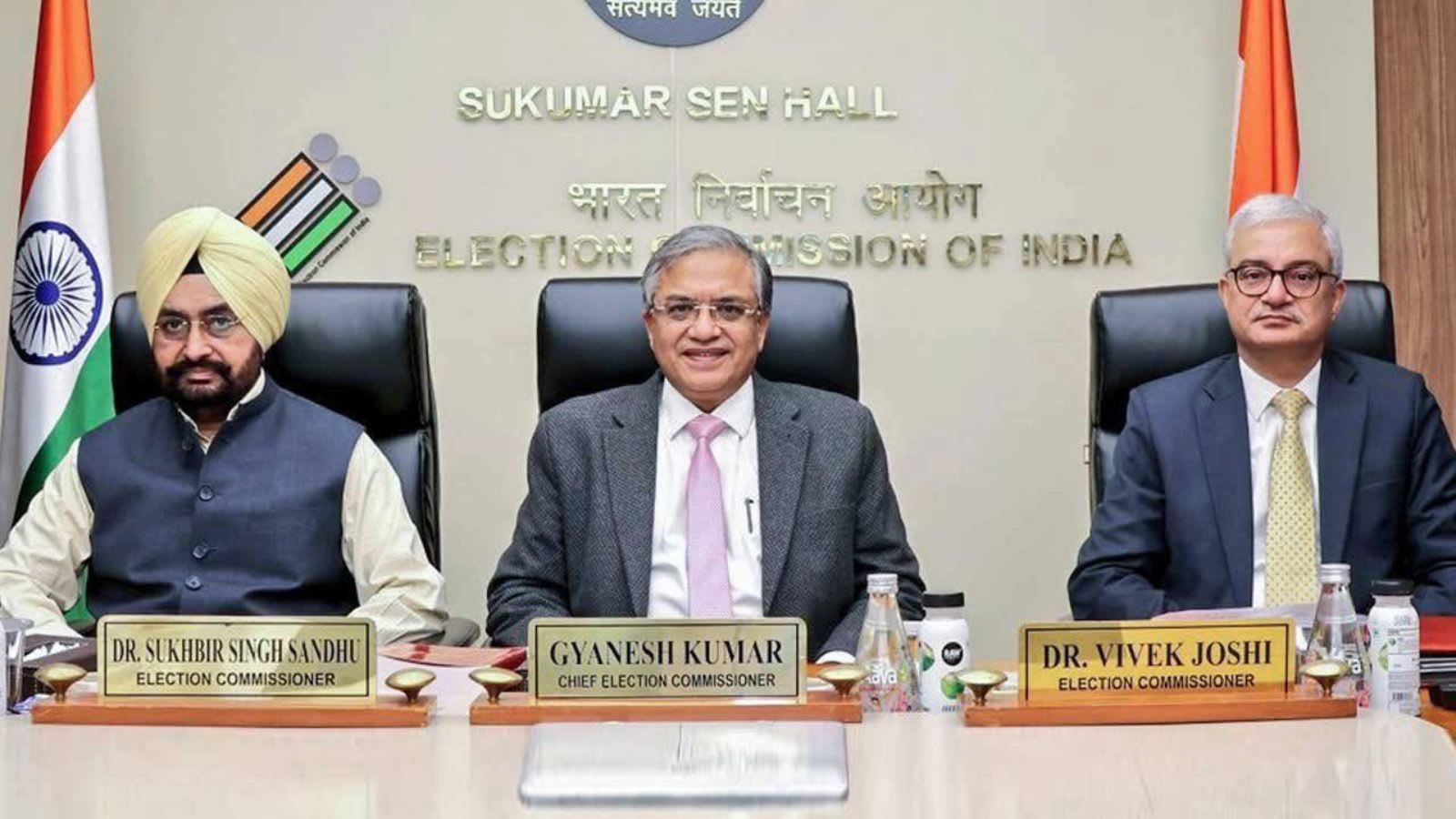
The commentary argues that political parties must accept electoral defeats as part of the democratic process rather than blaming institutions like the Election Commission of India. It emphasizes the distinction between genuine institutional concerns and the tendency to delegitimize the system following personal or party disappointment.
The Integrity of Democratic Process and Institutional Trust
The recent discourse surrounding electoral outcomes in India has sparked a critical debate regarding the responsibility of political parties in accepting the verdict of the electorate. The core of this issue lies in the distinction between experiencing a legitimate political setback and the dangerous trend of attributing electoral losses to systemic failure. When parties face defeat in constituencies they have historically held, such as the Bankipur by-poll, the immediate reaction often reveals the maturity and health of the internal party culture.
Distinguishing Disappointment from Illegitimacy
As noted in recent political reflections, there is a fundamental difference between electoral disappointment—which is an inherent, albeit painful, part of political competition—and claims of institutional illegitimacy. When a party loses, it is natural for workers to feel demoralized. However, the transition from analyzing a loss to questioning the impartiality of the Election Commission of India (ECI) represents a significant shift that can undermine public trust in democratic infrastructure.
The Role of the Election Commission
Historically, the ECI has served as the bedrock of Indian democracy, ensuring that the process remains transparent and fair. When political entities begin to target the ECI, the voters’ lists, or electronic voting machines (EVMs) specifically after a loss, they risk eroding the very foundation upon which their own future victories must be built. A mature democracy relies on the electorate’s belief that the referee is neutral; once that belief is systematically dismantled for political gain, the entire system faces a crisis of credibility.
Lessons from the Bankipur Experience
The Bankipur by-poll serves as a pertinent case study for political accountability. In this instance, the party that lost did not resort to blaming the electoral machinery. Instead, the focus remained on the fact that the voters had spoken. This approach reinforces the reality that democracy does not guarantee a specific result to any political worker or party; rather, it guarantees a process through which the collective will of the people is determined and respected.
Implications for Future Political Trends
The tendency of the Congress party and other political factions to increasingly question the ECI suggests a worrying trend in Indian politics. If parties continue to externalize the causes of their electoral failures, the incentive to engage in meaningful introspection and policy correction diminishes. If the 'referee' is always blamed for a defeat, the party avoids the necessary work of connecting with the electorate, ultimately weakening the democratic competition that is essential for a vibrant society.
Conclusion: Strengthening Democratic Maturity
Ultimately, the sustainability of a democratic system depends on the willingness of all stakeholders to accept the results of the ballot box. While constructive criticism of institutions is vital for improvement, there is a clear line that must not be crossed. By choosing to respect the institutional process, political parties can help foster a more stable political environment where the focus remains on the voter’s voice rather than on delegitimizing the mechanism of democracy itself.