Parties disclose electoral contributions for 2025-26; TDP reports ₹58.25 cr, AAP 12.10 cr
Source Entity
Latest News: Todays Latest News Headlines from India & World | Hindustan Times | Hindustan Times
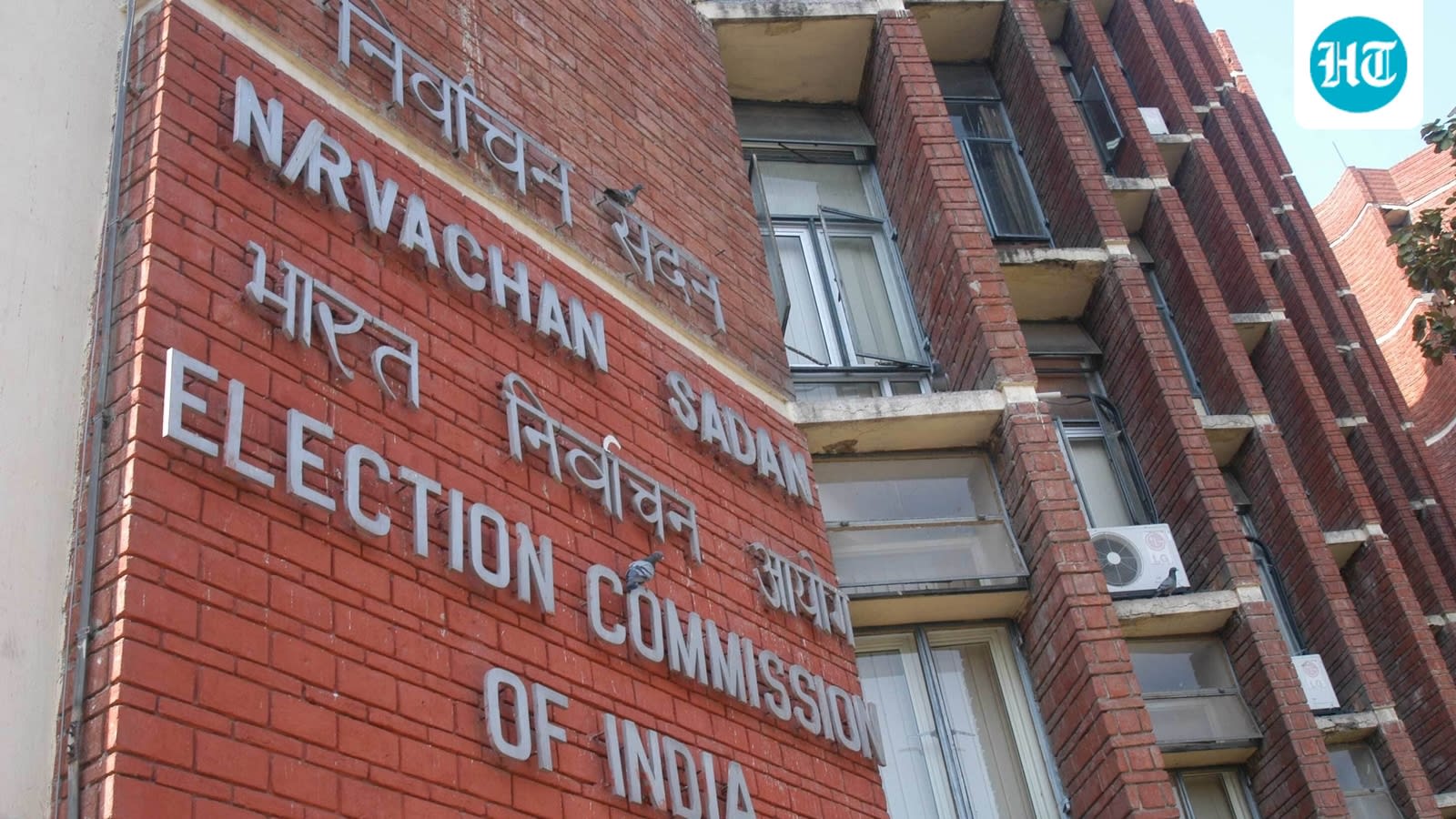
Major Indian political parties have disclosed their financial contributions for the 2025-26 fiscal year to the Election Commission. Notable disclosures include a 68% drop in donations for the Aam Aadmi Party, alongside significant reported funding for the TDP, YSRCP, and BRS.
Overview of Political Funding Disclosures for 2025-26
Political parties in India have officially submitted their contribution reports for the 2025-26 financial year to the Election Commission of India (ECI). These filings, mandated under Section 29C of the Representation of the People Act, 1951, provide a transparent window into political financing by requiring the disclosure of all individual contributions exceeding ₹20,000. The latest data reveals a diverse landscape of financial backing, with regional powerhouses and national parties reporting varying levels of fiscal intake.
Party-Wise Financial Breakdown
The disclosed figures highlight significant variations in party funding. The Telugu Desam Party (TDP) leads the current disclosures with ₹58.25 crore, followed by the YSR Congress Party (YSRCP) at ₹24.31 crore and the Bharat Rashtra Samithi (BRS) at ₹16.44 crore. The Aam Aadmi Party (AAP) reported ₹12.10 crore. It is crucial to note that these figures represent contributions above the statutory threshold and do not constitute the parties' total income, as smaller donations and other funding avenues remain outside this specific reporting requirement.
The Aam Aadmi Party’s Fiscal Contraction
A particularly notable trend is the 68% decline in AAP’s reported contributions compared to the previous fiscal year, where the party disclosed ₹38.10 crore. This sharp contraction suggests shifting donor sentiment or changes in the party’s fundraising strategy. Within the 1,202 entries submitted by AAP, the granularity of the reporting includes contributions from party leadership, such as Arvind Kejriwal’s three payments of ₹10,000 each and former Delhi Chief Minister Atishi’s cumulative contribution of ₹42,000.
The Role of Corporate and Trust Donations
A recurring theme across all filings is the significant influence of electoral trusts and corporate entities. These organizations remain among the largest donors to political parties. The reliance on such institutional funding underscores the broader mechanism of political financing in India, where large-scale capital often flows through structured entities rather than individual grassroots donors. This systemic reliance on trusts continues to be a focal point for discussions regarding political transparency and the influence of capital in democratic processes.
Political Fluidity and Donor Allegiances
The filings also highlight the intersection of personal political trajectories and financial support. For instance, the report identifies Ashutosh Ranka, currently a co-convener of the Cockroach Janta Party (CJP), as a contributor to AAP prior to his transition to his current political role. His contribution of ₹21,100, while modest in the context of the total, serves as a case study in the fluidity of political alignments within the Indian landscape. Furthermore, the presence of firms tied to parliamentarians who have transitioned to the Bharatiya Janata Party (BJP) adds another layer of complexity to the donor database.
Conclusion and Future Implications
These disclosures provide essential data for understanding the current financial health of political organizations as they navigate the 2025-26 cycle. While the ECI filing process ensures a degree of accountability, the significant drop in funds for some parties and the dominance of institutional donors suggest that political fundraising remains a volatile and highly sensitive aspect of the Indian electoral system. Future trends will likely depend on how parties adapt to changing regulatory environments and whether they can regain momentum in their fundraising efforts in subsequent fiscal periods.
Multiple Citing Sources
Verification Required?