How Democrats could snarl Trump administration stakes in private-sector companies
Source Entity
US Top News and Analysis
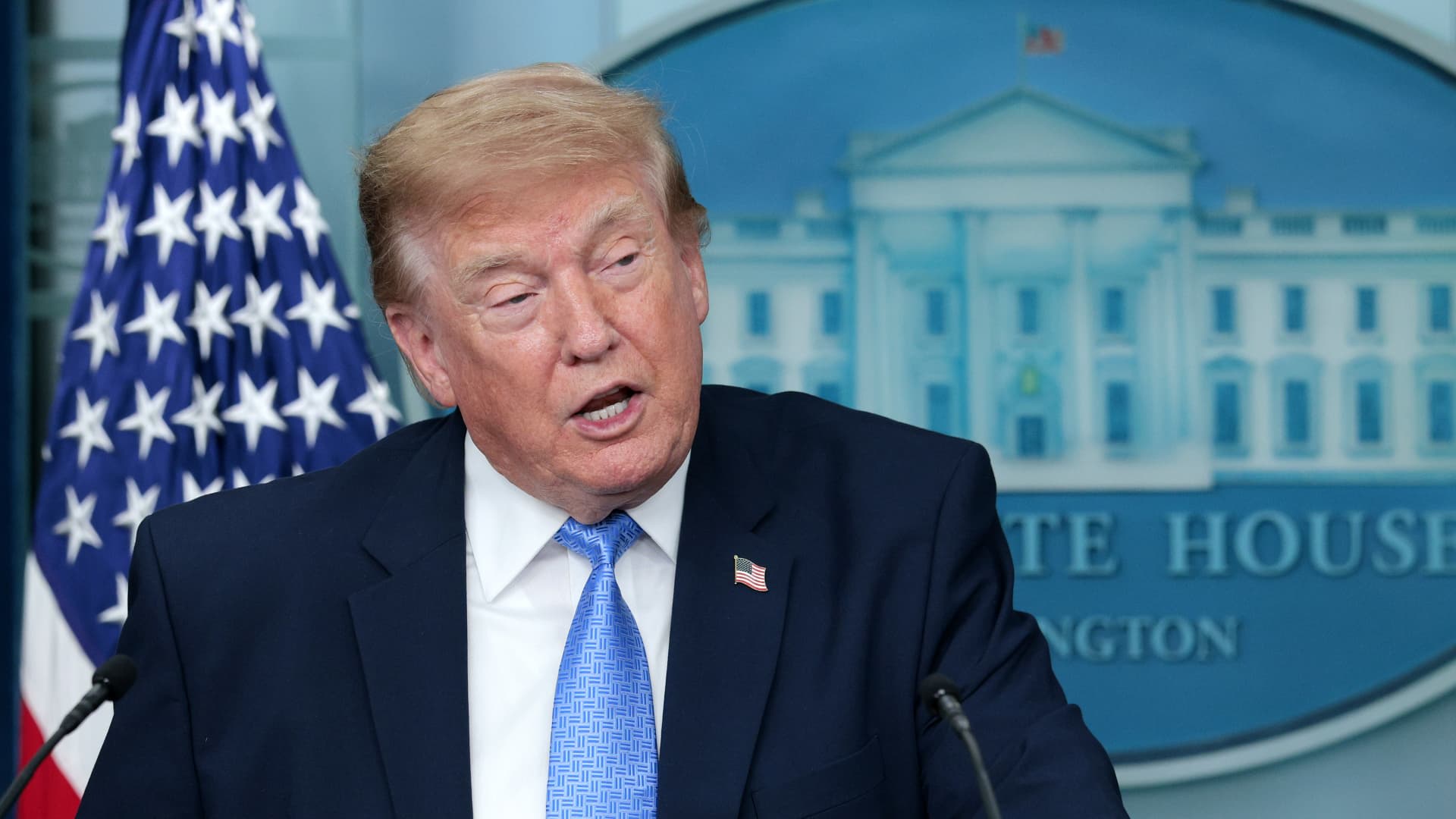
Democratic lawmakers are launching investigations into equity stakes held by the Trump administration in dozens of private companies. The scrutiny focuses on potential corruption and the government's unprecedented involvement in corporate affairs.
The Intersection of Executive Power and Private Equity
As the political landscape shifts, a significant point of contention has emerged regarding the Trump administration’s financial entanglements with the private sector. Data from the CATO Institute indicates that as of November, the administration had established equity positions in 41 separate companies. This development marks a departure from traditional executive branch boundaries, raising urgent questions about the potential for conflicts of interest and the influence of government policy on market dynamics.
The Mechanics of Government Intervention
The administration’s strategy has been characterized by direct involvement in corporate affairs, ranging from standard stock agreements to more aggressive maneuvers. A primary example of this reach is the acquisition of a "golden share" in U.S. Steel during its acquisition by Nippon Steel. This specific mechanism allows the government a level of oversight and veto power that is historically atypical for American administrations, signaling a shift toward a more interventionist approach to national industrial policy.
Congressional Oversight and the Democratic Response
Democratic lawmakers have signaled their intent to aggressively audit these arrangements. By focusing on the potential for corruption involving the President, his family, and their business associates, the opposition is preparing to utilize their investigative powers to demand transparency. This effort is already underway, as evidenced by requests sent to the law firm Skadden Arps in July regarding their advisory role in the government's deal with Intel.
Scrutinizing the Intel Deal and Beyond
The inquiry into the Intel agreement is likely merely the beginning of a broader legislative campaign. Because Intel is one of dozens of companies that have secured equity stakes with the government during this second term, the scope of these investigations is expansive. The central question for lawmakers is whether these deals were brokered based on merit and national security or if they represent a quid-pro-quo system that blurs the line between public service and private gain.
Broader Implications for Corporate Governance
The involvement of the government as a shareholder creates a complex web of incentives. When the state holds equity, it becomes both a regulator and a partial owner, a dual role that complicates antitrust enforcement and market competition. If these investigations uncover evidence of systematic corruption, it could trigger a massive re-evaluation of how the federal government interacts with the private sector, potentially leading to new legislation aimed at restricting executive-branch equity holdings.
Future Trends and Political Fallout
Looking ahead, the tension between the administration’s "America First" economic model and the oversight role of Congress will likely define the coming months. If the investigations into the 41 identified companies reveal widespread ethical lapses, the political fallout could be severe, potentially impacting the administration's ability to execute future corporate interventions. Conversely, if these deals are found to be compliant with existing laws, the administration may feel emboldened to deepen its influence in the private sector, further transforming the relationship between Washington and Wall Street.