‘It feels like home’: How a small village in Himachal became ‘Mini Israel’
Source Entity
Saurabh Parashar
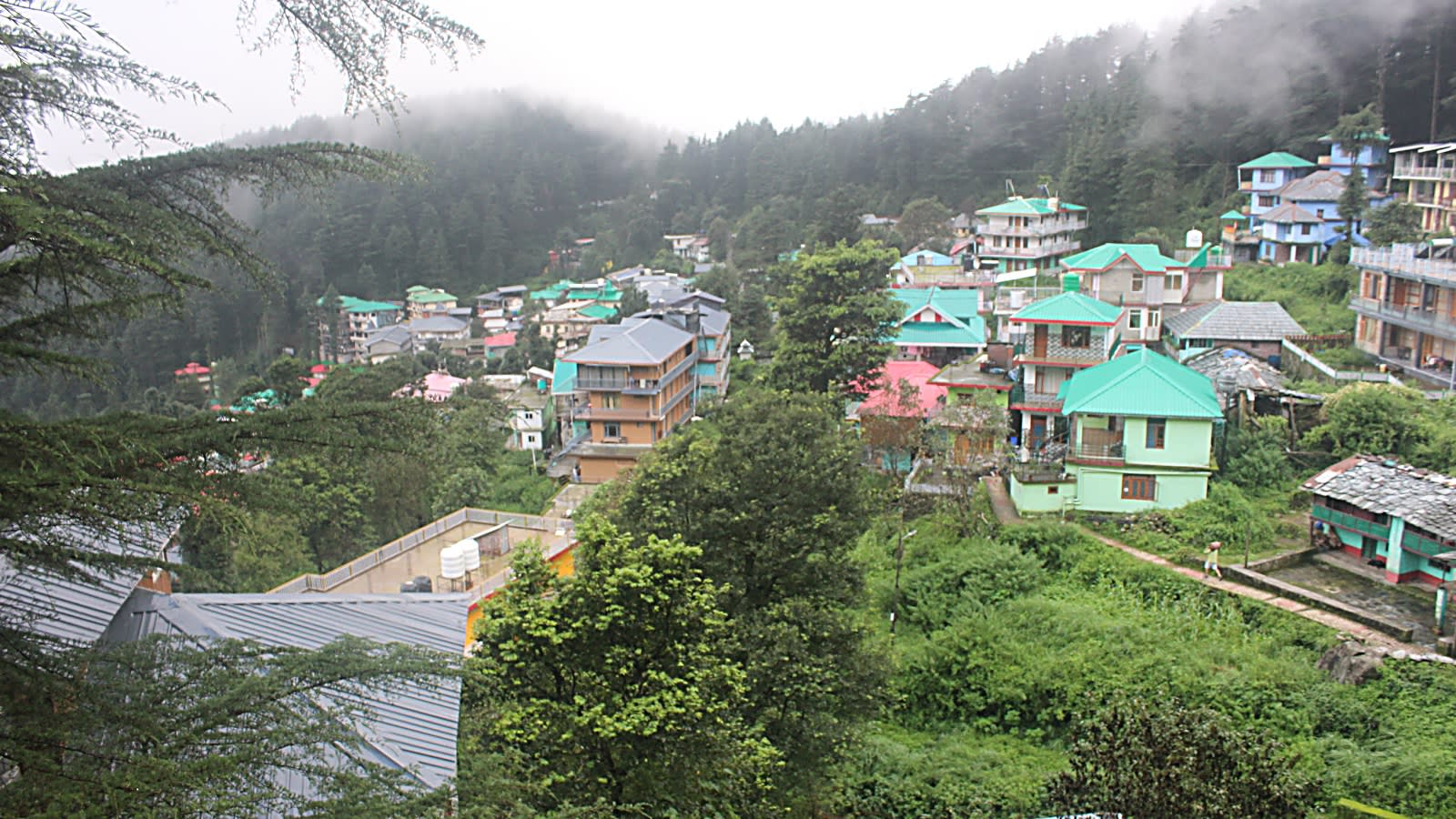
Dharamkot, a village near Mcleodganj in Himachal Pradesh, has earned the nickname 'Mini Israel' due to its significant Israeli visitor population. The area is characterized by Hebrew signboards and unique cultural markers like challah bread, distinct from the neighboring Buddhist-influenced Mcleodganj.
The Emergence of Dharamkot as 'Mini Israel'
Nestled in the foothills of the Dhauladhar range, the village of Dharamkot has undergone a unique cultural transformation that distinguishes it from its neighbor, Mcleodganj. While Mcleodganj is widely recognized as a hub of Tibetan culture, characterized by Buddhist prayer flags and local delicacies like momos and Laphing, a short two-kilometer trek reveals a starkly different atmosphere in Dharamkot. This shift is signaled by the presence of Hebrew signage and the scent of freshly baked challah bread, marking the area as a significant cultural enclave often referred to by locals and tourists alike as 'Mini Israel.'
A Tale of Two Villages
The geographical proximity between Mcleodganj and Dharamkot belies the distinct identities they have cultivated. Mcleodganj serves as a bustling center of Himalayan tourism and Tibetan spirituality, whereas Dharamkot has evolved into a quieter, more specialized destination for international travelers, particularly those from Israel. This evolution is not merely superficial; it represents a micro-level example of how global tourism patterns can reshape local demographics and commercial landscapes in remote Indian hill stations.
The Cultural Exchange
The phenomenon of 'Mini Israel' highlights a long-standing trend of Israeli travelers seeking refuge and community in the serene landscapes of Himachal Pradesh. For many, these villages provide a 'home away from home' experience where cultural familiarity—facilitated by localized businesses and community hubs—meets the rugged beauty of the Indian Himalayas. This cultural fusion is evident in the specific culinary and linguistic markers that now define the village's daily life, creating a unique hybrid environment that attracts curiosity from domestic tourists as well.
Administrative Vigilance and Future Trends
As the popularity of Dharamkot continues to grow, local authorities have begun to intensify their oversight in and around the region. This increased vigilance suggests an administrative effort to balance the influx of international tourism with the preservation of local stability and order. As the village gains prominence, the challenge for the administration will be to maintain this delicate equilibrium between welcoming a global community and managing the logistical pressures that accompany such a niche tourism boom.
Conclusion
The transformation of Dharamkot into a cultural hotspot for Israeli tourists reflects the broader, evolving nature of Himalayan tourism. By blending local Himachali charm with the distinct influences of its visitors, the village has carved out a unique identity. As it moves forward, the intersection of cultural exchange and administrative oversight will likely define the future trajectory of this high-altitude enclave.