Green Card or citizenship? DHS clarifies what happens to US-born children of foreign government employees
Source Entity
Latest News: Todays Latest News Headlines from India & World | Hindustan Times | Hindustan Times
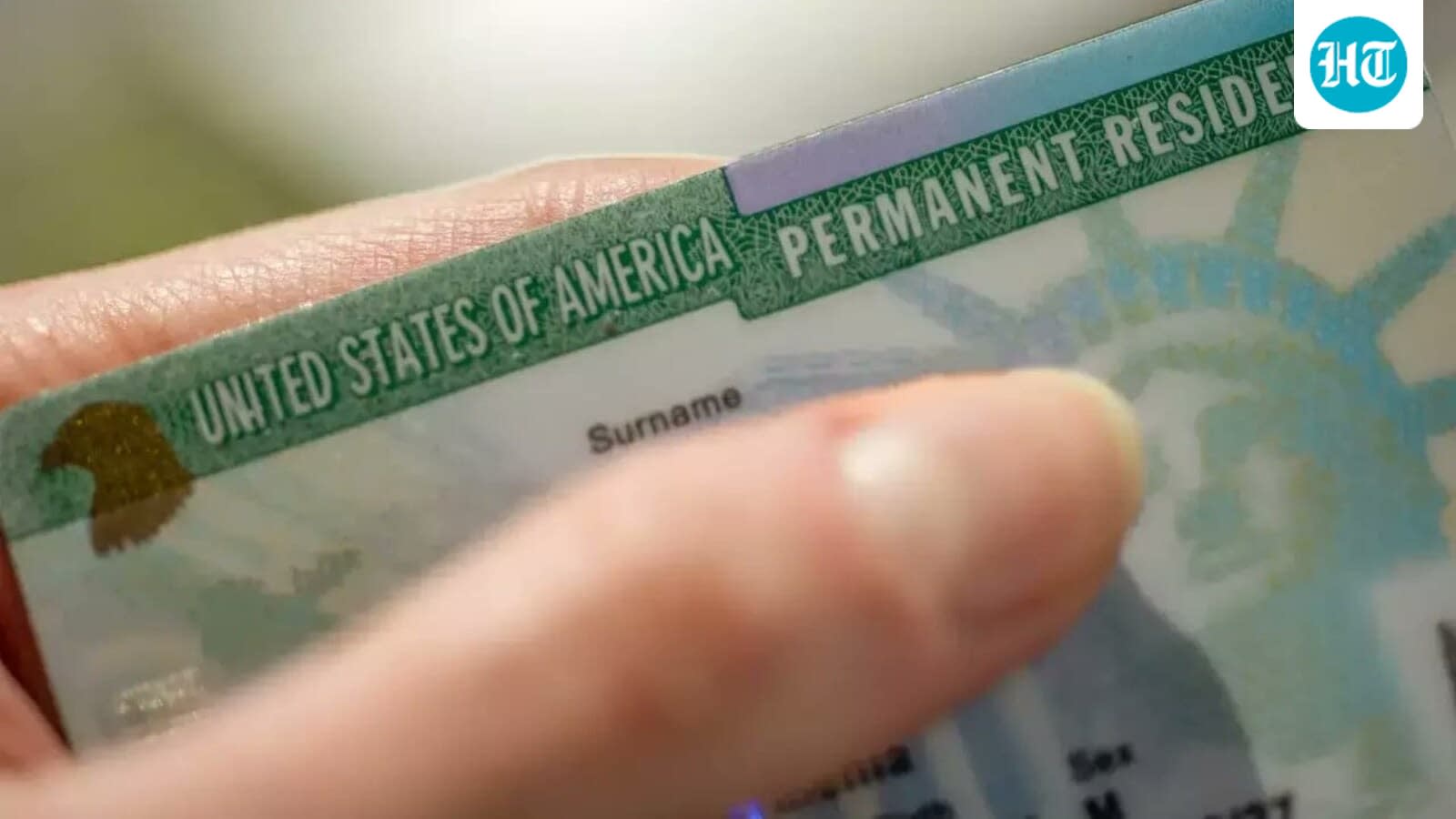
The DHS has clarified documentation requirements for US-born children of foreign diplomats, establishing a pathway to permanent residency instead of automatic birthright citizenship. This correction addresses an administrative omission from a September rule and applies retroactively to those born on or after September 4, 2026.
Understanding the DHS Clarification on Birthright Citizenship
A Procedural Adjustment for Diplomatic Families
The U.S. Department of Homeland Security (DHS) has recently issued a critical clarification regarding the legal status of children born in the United States to foreign government employees. This update serves as a procedural correction to an interim final rule originally introduced in September. The primary focus of this adjustment is to explicitly define the documentation requirements for these children, who, due to the diplomatic status of their parents, do not automatically acquire U.S. citizenship at birth under the 14th Amendment.
Correcting Regulatory Omissions
The catalyst for this clarification was the inadvertent removal of specific evidentiary language during the initial codification of the September rule. In regulatory drafting, the precision of language is paramount; the absence of these specific requirements created ambiguity regarding how these individuals could properly transition to permanent resident status. By restoring this language, the DHS ensures that the administrative framework governing these children is robust, transparent, and aligned with the intended scope of the original policy.
Implications of the September Rule
This policy update is tethered to the broader interim final rule that became effective on September 4, 2026. By expanding the federal regulations concerning the offspring of foreign government officials, the government is formalizing a pathway that distinguishes between individuals entitled to birthright citizenship and those who maintain a different legal standing based on parental immunity. This clarification ensures that the process for seeking a Green Card is clearly delineated for this specific demographic.
Retroactivity and Legal Consistency
A significant aspect of this announcement is its retroactive application. The DHS has mandated that these documentation standards apply to children born to foreign government employees on or after the September 4, 2026, effective date. This ensures that no gap in legal documentation exists for children born in the interim period between the rule's initial publication and this subsequent clarification, maintaining consistency in how these cases are processed across federal immigration offices.
Future Outlook on Immigration Policy
As the U.S. continues to refine its immigration regulations, the focus on clarifying the status of children born to non-citizen parents—particularly those with diplomatic immunity—remains a complex area of administrative law. This correction highlights the government's commitment to fixing technical errors in its regulatory code to prevent future confusion for applicants. Moving forward, stakeholders should expect continued vigilance from the DHS in ensuring that evidentiary requirements for residency pathways are clearly documented and accessible to all foreign nationals operating within U.S. borders.
Conclusion
In summary, the DHS clarification is an essential administrative step that restores clarity to the legal status of children born to foreign diplomats. By addressing the missing evidentiary language, the department has provided a clear, retroactive path for these individuals to pursue permanent residency. This move underscores the importance of precise regulatory language in maintaining the integrity of the U.S. immigration system.
Verification Required?