If employers lay off Americans and choose H-1B workers what happens next? Trump’s new order puts US firms under scrutiny
Source Entity
Latest News: Todays Latest News Headlines from India & World | Hindustan Times | Hindustan Times
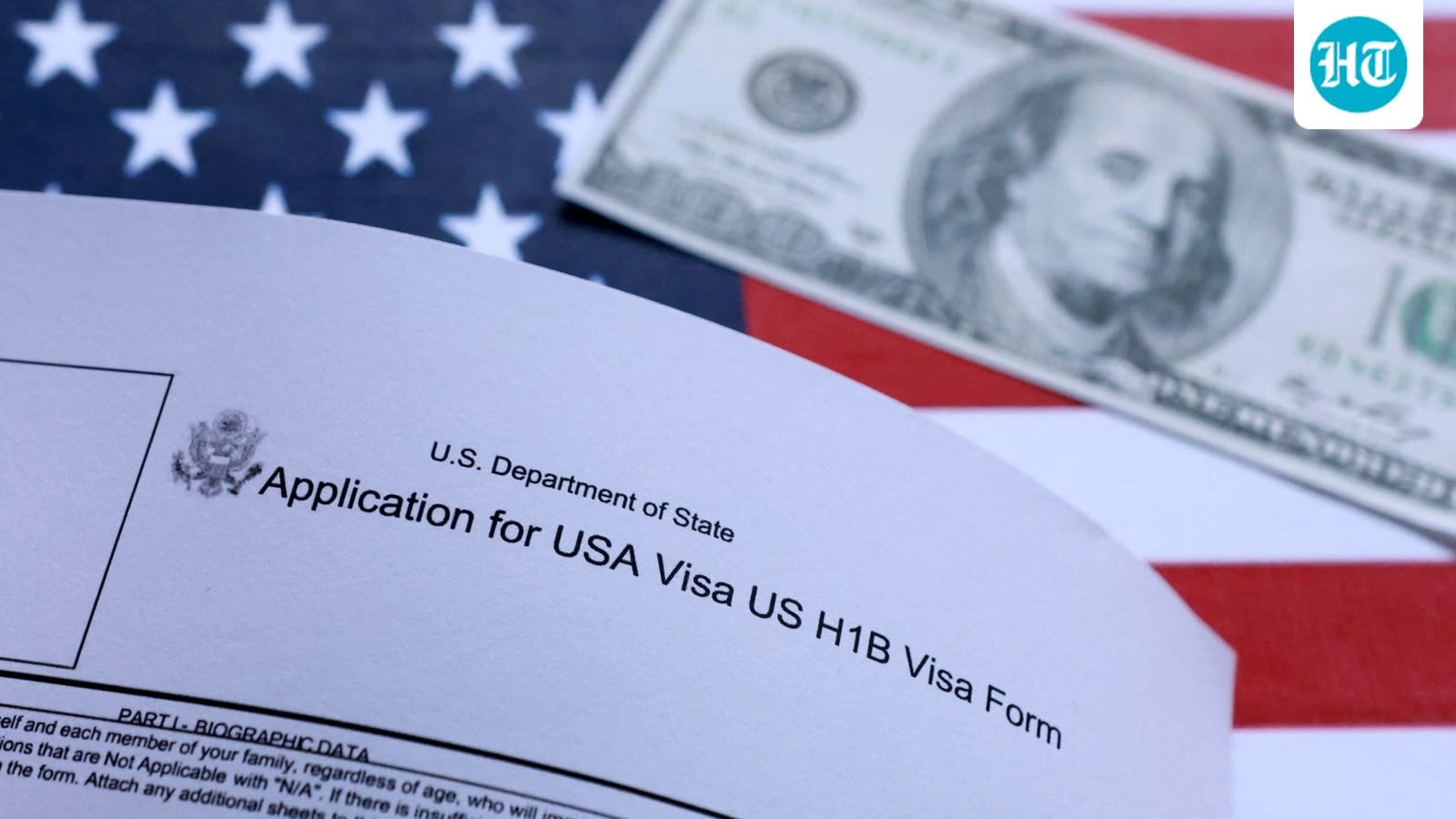
President Trump has issued an executive order requiring federal agencies to scrutinize H-1B visa sponsors who have recently laid off American workers. This policy aims to prioritize domestic employment while simultaneously intensifying a crackdown on H-1B visa fraud and sham job practices.
The New Landscape of H-1B Visa Oversight
President Donald Trump’s recent executive order marks a significant shift in the federal government’s approach to the H-1B visa program. By mandating that the Departments of Labor, Homeland Security, and State consider recent or planned domestic layoffs when adjudicating visa applications, the administration is effectively tethering the hiring of foreign labor to the health of the American workforce. This policy represents a concerted effort to ensure that the H-1B program serves its intended purpose—filling specialized roles where domestic talent is unavailable—rather than serving as a mechanism to displace American employees.
Impact on Employer Accountability
Under the new directives, employers are no longer operating in a vacuum when they seek to bring in foreign talent. While the order does not trigger an automatic ban on sponsoring H-1B workers following a reduction in force, it introduces a critical layer of regulatory friction. Federal agencies are now obligated to assess whether a sponsoring firm has engaged in layoffs that negatively affect 'similarly situated' American workers within the previous year. This creates a high-stakes environment for HR departments and corporate legal teams, who must now justify their foreign hiring practices against the backdrop of their domestic staffing decisions.
Targeting Fraud and Visa Mills
Beyond the scrutiny of legitimate corporate layoffs, the administration is simultaneously intensifying its offensive against structural fraud within the visa system. The Labor Department’s increased focus on 'fake employers' and 'visa mills' underscores a broader strategy to eliminate bad actors who exploit foreign workers. By targeting sham job offers and fraudulent petitioning entities, the government aims to clean up the program's reputation and ensure that the limited pool of H-1B visas is reserved for genuine, high-value employment opportunities.
The Intersection of Economic Policy and Immigration
This executive order reflects a broader ideological shift in US immigration policy, prioritizing the protection of the domestic labor market. By requiring that H-1B Labor Condition Applications be vetted for potential displacement, the administration is signaling that foreign labor policy will henceforth be viewed through the lens of national economic health. Companies that rely heavily on the H-1B program will likely face longer processing times and more frequent requests for evidence (RFEs) as federal agencies recalibrate their internal protocols to comply with this heightened standard of oversight.
Future Trends and Compliance Challenges
As these regulations take hold, firms will need to adopt more rigorous documentation strategies to demonstrate that their foreign hiring does not come at the expense of American jobs. We can expect to see a rise in corporate internal auditing, where companies proactively document the necessity of their visa petitions relative to their broader workforce strategies. Moving forward, the success of an H-1B petition may depend as much on the company's domestic employment record as it does on the qualifications of the individual visa candidate.
Conclusion
The dual approach of monitoring domestic layoffs while cracking down on visa fraud represents a tightening of the H-1B process that will likely define the current administration's immigration legacy. By closing perceived loopholes and increasing the burden of proof on employers, the government is forcing a re-evaluation of how international talent is integrated into the American economy. Stakeholders in the tech and professional services sectors should prepare for a sustained period of increased regulatory complexity.
Verification Required?