How digital agency can advance women-led development
Source Entity
Rituparna Patgiri
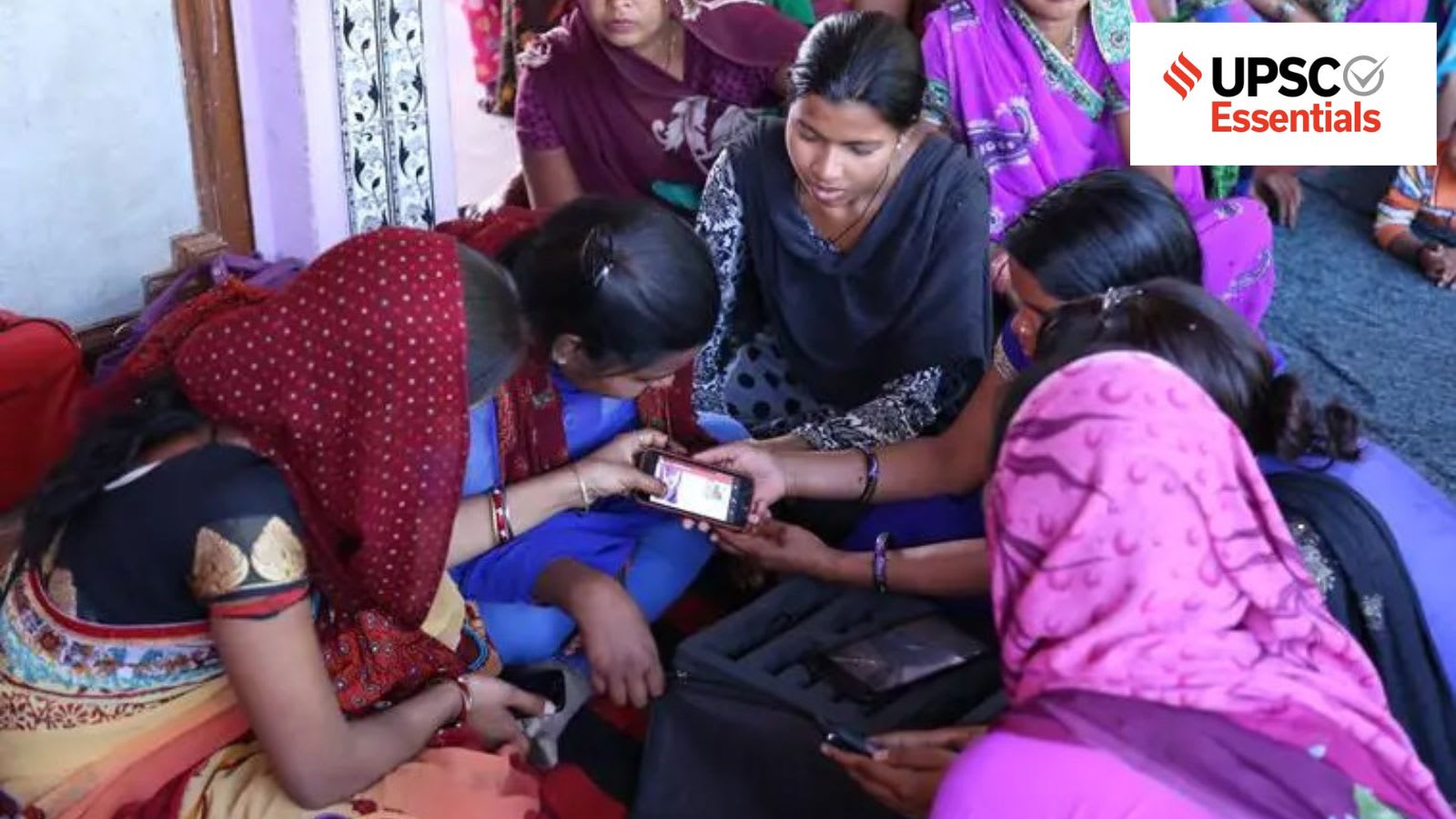
The report explores the pivotal role of digital agencies in fostering gendered digital equity to achieve Sustainable Development Goal 5. By leveraging data from the National Family Health Survey (NFHS-6), the initiative aims to transition from women-targeted interventions to women-led development, ensuring women have the tools and leadership roles to drive digital transformation.
Bridging the Divide: Digital Agencies as Catalysts for Women-Led Development
The pursuit of gender equality is not merely a social imperative but a fundamental requirement for global sustainable development. Central to this mission is Sustainable Development Goal 5 (SDG 5), which mandates the achievement of gender equality and the empowerment of all women and girls. In the modern era, this goal is inextricably linked to digital equity. The provided text highlights a critical shift in strategy: moving beyond treating women as passive beneficiaries of technology and instead fostering a framework of "women-led development." Digital agencies, with their expertise in infrastructure, communication, and platform design, are uniquely positioned to accelerate this transition.
The Strategic Role of Digital Agencies in Equity
Digital agencies often serve as the bridge between complex technology and end-user adoption. To advance women-led development, these agencies must pivot from traditional marketing or service-provision models toward inclusive design and capacity building. This involves creating digital ecosystems that are not only accessible but are designed with the specific socio-economic realities of women in mind. By prioritizing gendered digital equity, agencies can help dismantle the barriers that prevent women from accessing the internet, utilizing digital financial services, and engaging in the global gig economy. This shift ensures that technology acts as an equalizer rather than a tool that reinforces existing societal hierarchies.
Data-Driven Insights: The Significance of NFHS-6
The mention of the National Family Health Survey (NFHS-6) is pivotal, as it provides the empirical foundation necessary for targeted intervention. Surveys of this magnitude reveal the granular disparities in digital literacy and device ownership among women. When digital agencies integrate such data into their strategies, they can move away from "one-size-fits-all" solutions and instead develop hyper-local, culturally sensitive digital tools. For instance, if NFHS-6 data indicates a sharp decline in digital access among rural women of a certain age bracket, agencies can develop voice-activated interfaces or community-based digital hubs to bypass literacy barriers, thereby directly contributing to the metrics of SDG 5.
From Targeted Interventions to Women-Led Leadership
A critical distinction made in the analysis of women's empowerment is the difference between women-targeted and women-led development. Targeted development often views women as a vulnerable group in need of assistance, whereas women-led development recognizes women as primary agents of change and economic drivers. Digital agencies can facilitate this by supporting women-led tech startups, promoting female leadership in STEM, and ensuring that the algorithms and platforms they build are free from gender bias. When women lead the design and implementation of digital tools, the resulting products are more likely to solve real-world problems affecting women, creating a virtuous cycle of empowerment and innovation.
Broader Socio-Economic Implications
The broader implications of achieving gendered digital equity are profound. When women are digitally empowered, there is a documented ripple effect on health, education, and household income. Digital equity allows women to access telehealth, online education, and e-commerce markets, which reduces their dependence on traditional, often restrictive, social structures. From a macroeconomic perspective, closing the digital gender gap could add trillions to the global GDP. By aligning their business objectives with the goals of SDG 5, digital agencies are not just performing corporate social responsibility; they are expanding the global market by bringing millions of new, empowered producers and consumers into the digital economy.
Future Trends and the Path Forward
Looking ahead, the intersection of AI, blockchain, and digital identity will likely define the next phase of women-led development. We can predict a rise in "FemTech" and decentralized finance (DeFi) tools specifically tailored to provide women with financial autonomy. Digital agencies that embrace these trends now—while remaining anchored in the data provided by surveys like NFHS-6—will lead the next wave of digital transformation. The future of the internet must be inclusive by design, moving toward a model where digital agency is not a privilege of gender or geography, but a universal right.
Conclusion
In summary, the path to achieving SDG 5 requires a concerted effort to ensure that digital tools are leveraged for gender equity. By utilizing rigorous data from sources like NFHS-6 and shifting the paradigm toward women-led development, digital agencies can play a transformative role. The transition from empowerment-as-assistance to empowerment-as-leadership is the key to unlocking the full potential of women in the digital age, ensuring a more equitable and prosperous future for all.