'A bit of friction': Dinesh Karthik hints at Gambhir-Agarkar rift
Source Entity
TOI SPORTS DESK
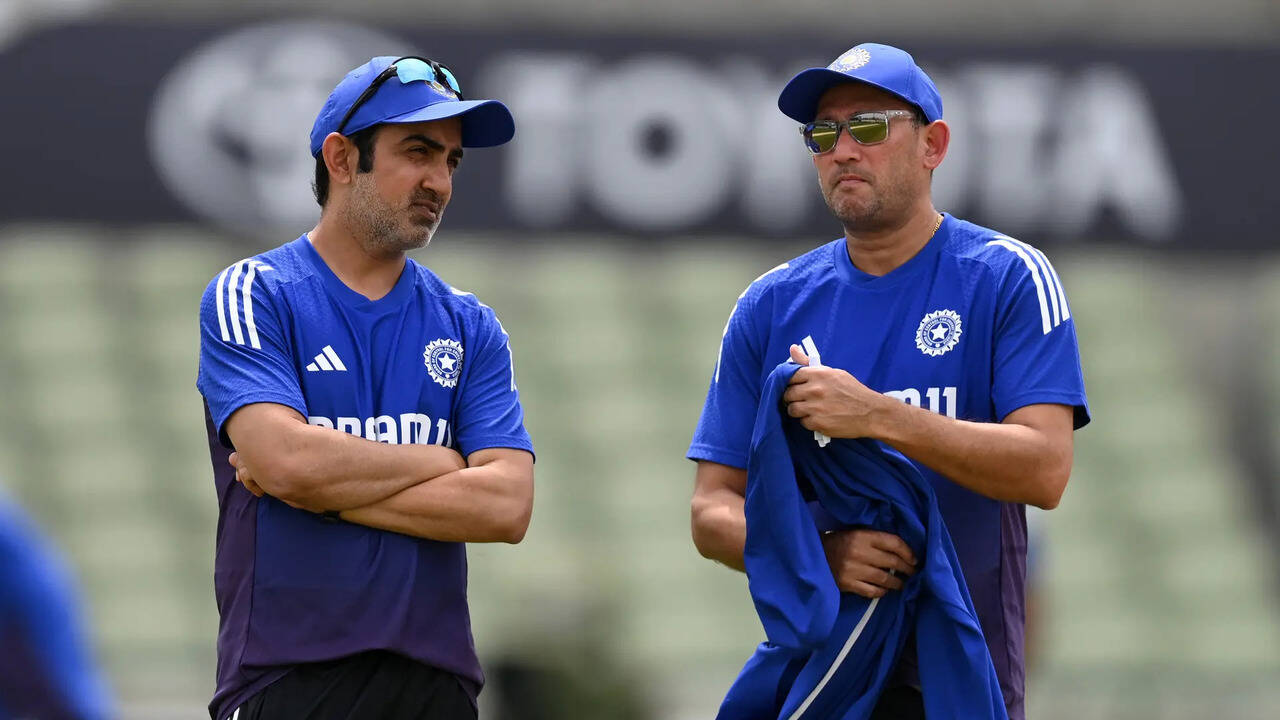
Dinesh Karthik suggests friction between Gautam Gambhir and Ajit Agarkar over selection priorities. India's recent T20I series losses in the UK have intensified scrutiny on the team's management. Karthik believes differing long-term plans and immediate winning desires cause selection confusion. The immense squad depth adds pressure on players struggling to secure their places. The BCCI will review these poor T20I performances and selections soon.
Analysis of the Selection Friction in Indian Cricket
The recent T20I series losses in the UK have acted as a catalyst for deeper scrutiny within the Indian national team's management. Former cricketer Dinesh Karthik has brought a critical internal dynamic to light, suggesting that there is a palpable 'friction' between head coach Gautam Gambhir and chief selector Ajit Agarkar. This tension is not merely personal but appears to be a fundamental disagreement over the philosophy of team selection and the prioritization of immediate success versus long-term squad development.
The Clash of Philosophies: Immediate Wins vs. Future Planning
At the heart of the reported rift is a classic sporting dilemma: the tension between the desire for immediate results and the necessity of building for the future. Gautam Gambhir, known for his uncompromising and aggressive approach to winning, likely prioritizes a settled, high-performing XI that can secure victories now. Conversely, Ajit Agarkar, as the chief selector, must manage the broader pipeline of talent, ensuring that promising young players are integrated into the system to avoid a talent vacuum in the coming years. When these two objectives clash, it often results in a 'selection confusion' where the criteria for picking a player become inconsistent, leaving both the management and the players in a state of uncertainty.
The Psychological Toll of Squad Depth
One of the most intriguing aspects of Karthik's analysis is the mention of India's immense squad depth. While having a surplus of talent is generally viewed as a strength, it can become a liability if not managed with clear communication. When players are fighting for a limited number of spots and the selection criteria are perceived as volatile or contradictory, it creates an environment of insecurity. Players struggling to secure their places may feel the pressure more acutely, knowing that a single poor performance could lead to their exclusion in favor of another equally qualified candidate, thereby hindering their ability to play with freedom and confidence.
The Significance of the UK Failures
Failure in overseas conditions, particularly in the UK, often exposes the cracks in a team's structural foundation. The recent T20I losses have magnified the perceived lack of cohesion between the coaching staff and the selection committee. In the high-stakes environment of international cricket, any misalignment at the top—specifically between the man deciding the strategy (Gambhir) and the man deciding the personnel (Agarkar)—can lead to tactical errors on the field. This disconnect becomes glaringly obvious when the team fails to adapt to challenging conditions, prompting critics and former players like Karthik to question the internal harmony of the leadership.
Administrative Oversight and the BCCI Review
The upcoming review by the Board of Control for Cricket in India (BCCI) will be a pivotal moment for the team's trajectory. Historically, the BCCI has stepped in to mediate when friction between coaches and selectors becomes public or affects on-field performance. The review is expected to focus on whether the current selection process is streamlined and whether there is a unified vision for the T20I format. If the BCCI finds that the rift between Gambhir and Agarkar is impeding progress, they may mandate a more rigid framework for selection to ensure that both immediate goals and long-term growth are balanced without internal conflict.
Conclusion and Future Outlook
The friction highlighted by Dinesh Karthik serves as a warning sign for the Indian cricket management. While disagreements are natural in a high-performance environment, a lack of alignment between the head coach and the chief selector can be detrimental to team morale and consistency. For India to regain its dominance in the T20I format, the management must resolve these philosophical differences and establish a transparent selection policy. The outcome of the BCCI's review will likely determine whether India enters its next cycle with a unified front or continues to struggle with internal contradictions.