Is FIFA favouring Argentina? A look at 4 of the controversies
Source Entity
Shuvaditya Bose
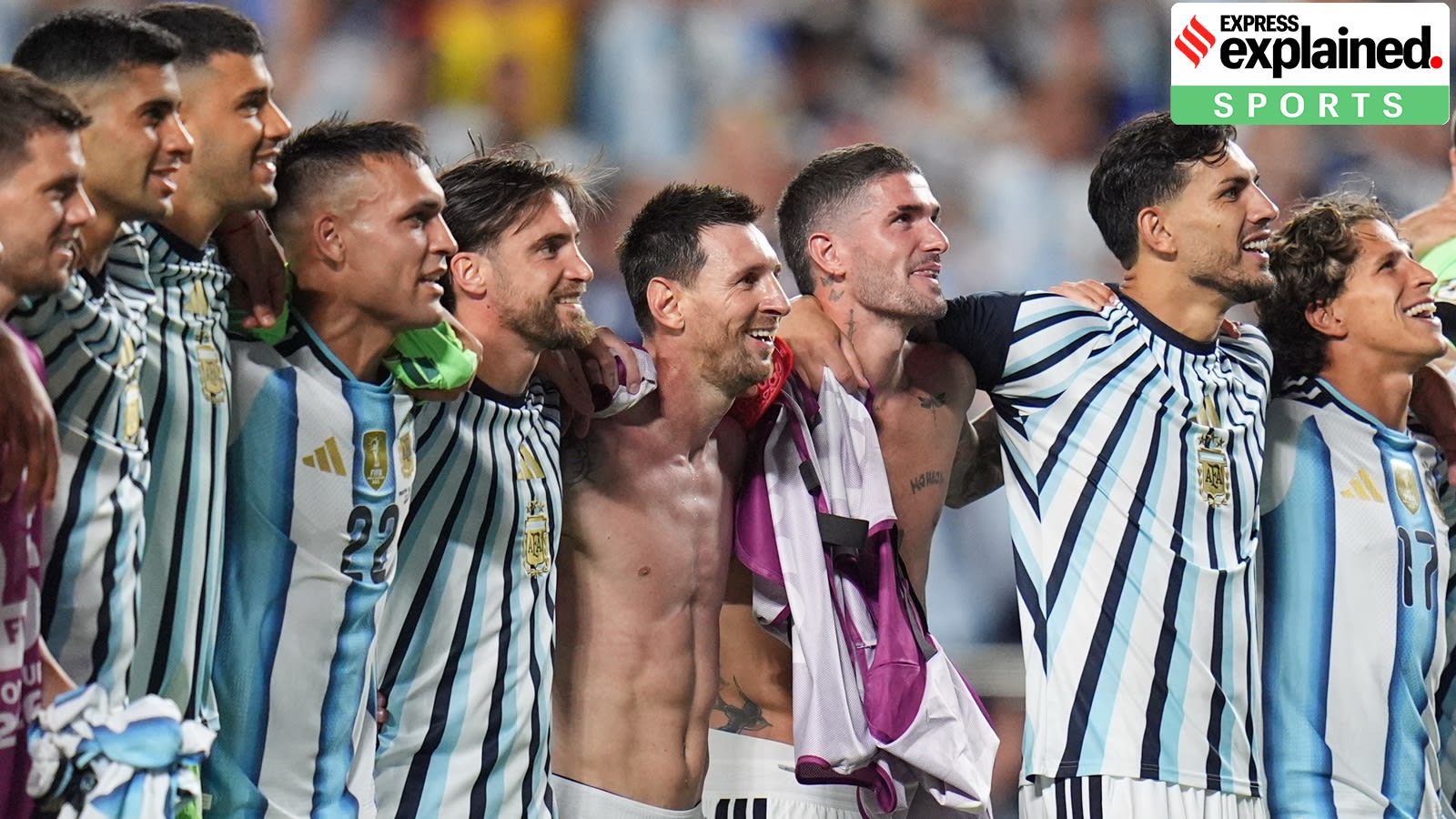
Are Argentina being favoured by FIFA? A string of high-profile decisions over the past month has convinced sections of supporters and pundits that they are. Here is a closer look at the biggest offici...
The Shadow of Bias: Analyzing Allegations of FIFA Favoritism Toward Argentina
The integrity of international football hinges on the perceived impartiality of its governing body, FIFA, and the officials it appoints to the pitch. Recently, a surge of discourse has emerged questioning whether the Argentina national team is receiving preferential treatment. This narrative is not merely a product of fan rivalry but is fueled by a string of high-profile officiating decisions that have left pundits and supporters questioning the consistency of rule application. When a powerhouse nation like Argentina is at the center of such debates, it reflects a broader tension between the commercial interests of the sport and the necessity of absolute fairness.
The Anatomy of Officiating Controversies
At the heart of these allegations are specific moments where officials' decisions—or lack thereof—have significantly impacted match outcomes. The perception of bias often stems from a perceived pattern of "benefit of the doubt" calls. In high-stakes international tournaments, these decisions are magnified. The debate typically centers on whether officials are subconsciously influenced by the stature of the players or if there is a systemic leaning toward certain footballing cultures that FIFA deems more influential. When critical fouls are overlooked or controversial penalties are awarded, it creates a narrative of protection around the team, regardless of whether the errors are intentional or accidental.
Historical Context and the 'Argentina Narrative'
Argentina has a storied and often volatile relationship with officiating. From legendary clashes in World Cups to the intense atmospheres of the Copa América, the "Albiceleste" have frequently been both the beneficiaries and the victims of refereeing errors. Historically, the narrative of Argentina being "favored" (or conversely, "targeted") is a recurring theme in South American football. This historical baggage ensures that any modern officiating error is not viewed as an isolated mistake but as part of a continuing legacy of controversy, further polarizing the global football community and intensifying the scrutiny on every whistle.
The Paradox of VAR and Technology
The introduction of the Video Assistant Referee (VAR) was intended to eliminate human error and ensure objective justice. However, in the context of these controversies, technology has sometimes exacerbated the issue. The subjectivity involved in determining "clear and obvious errors" means that VAR often validates a referee's initial interpretation rather than correcting it. When VAR fails to intervene in a decision that seems skewed toward Argentina, it lends credence to the theory that the bias is not just individual but institutional, as the intended "safety net" of technology fails to provide the expected neutrality.
Implications for Global Sport Integrity
If the perception of favoritism persists, the long-term implications for FIFA are severe. The credibility of the World Cup and other international competitions relies on the belief that the best team wins based on merit. When suspicions of bias toward a specific nation take hold, it erodes trust among competing federations and fans. This can lead to increased volatility in stadiums and a diminished respect for the authority of the referee, potentially transforming the "beautiful game" into a series of disputes over administrative fairness rather than athletic excellence.
Conclusion: Towards a More Transparent Future
Ultimately, the question of whether FIFA favors Argentina may never be answered with a definitive 'yes' or 'no' due to the inherent subjectivity of sports officiating. However, the persistence of these controversies highlights a need for greater transparency in how officials are appointed and how their decisions are reviewed. To preserve the sanctity of the sport, FIFA must move beyond generic denials and implement rigorous, public-facing accountability measures to ensure that no team, regardless of its prestige or marketability, is seen as being above the laws of the game.