UPSC Ethics Simplified : As Divya Mittal resigns from IAS, 3 ethical questions on public service
Source Entity
Nanditesh Nilay
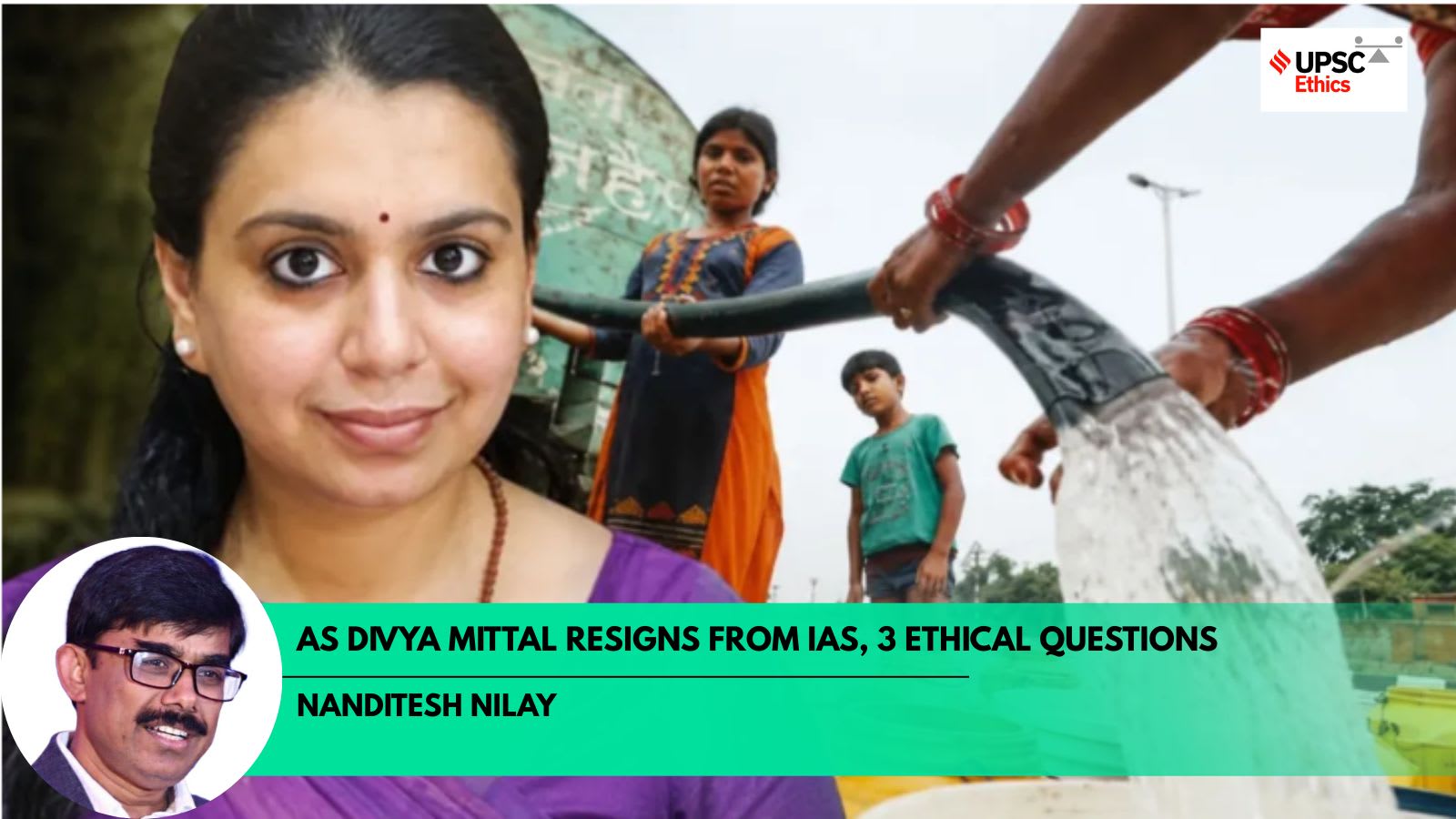
IAS officer Divya Mittal has resigned after a 13-year career, prompting a broader ethical discourse on the nature of public service. Her tenure, particularly in Mirzapur, serves as a case study for evaluating the motivations and responsibilities of civil servants.
The Ethical Reflection of a Civil Servant's Departure
The recent resignation of IAS officer Divya Mittal after a 13-year tenure has sparked a significant conversation regarding the ethical underpinnings of public service in India. As highlighted by the UPSC Ethics Simplified series, her departure serves not merely as a personnel change but as a moment to reflect on the core philosophy of the civil services. Mittal’s transition out of the administrative machinery invites us to examine the symbiotic relationship between a public servant and the community they serve.
The Mirzapur Legacy and Tangible Impact
During her time in the civil services, Mittal was notably recognized for her developmental work in Mirzapur. One of her most significant contributions was ensuring that piped water reached households in Lahuria Dah village, a project that demonstrates the practical, human-centric application of administrative power. This achievement underscores the essential role of civil servants in bridging the gap between state policy and grassroots reality, providing a concrete example of how bureaucratic efforts directly improve living standards.
Redefining the 'Giver' and the 'Receiver'
Mittal’s poignant statement—"I was a fool to think I had come to give something. The truth is, I received the most, and that debt only grew deeper"—challenges the traditional perception of the civil servant as a paternalistic provider. This perspective shift suggests an ethical framework where the servant is enriched by the service itself, transforming the act of governance into an act of mutual growth. It highlights the humility required in public office, where the servant acknowledges that the experience of addressing systemic challenges provides more personal and professional value than the act of service itself provides to the public.
Ethical Questions in Public Service
The UPSC Ethics Simplified framework uses this resignation to pose fundamental questions about ethical conduct. It forces a dialogue on whether the motivation for public service should be altruistic or duty-bound, and how one maintains integrity over a long career. By analyzing the trajectory of an officer who has served for over a decade, we can better understand the psychological and ethical fatigue that can accompany high-stakes administrative roles, and how officers navigate the tension between systemic constraints and the desire for meaningful impact.
Broader Implications for Governance
The case of Divya Mittal serves as a vital case study for aspiring civil servants studying for the UPSC examinations. It moves beyond theoretical concepts of integrity and accountability, anchoring these ideals in the lived experience of an officer on the ground. As the civil services continue to evolve, the discourse surrounding such resignations will likely focus more on the sustainability of the administrative model and the psychological well-being of those tasked with implementing national development goals.
Conclusion: A Legacy of Reflection
Ultimately, the resignation of Divya Mittal serves as a mirror for the Indian administrative system. It encourages a deeper inquiry into what it means to serve the public and how the burden of that duty is carried. By focusing on her specific accomplishments and her reflective exit, we gain a clearer understanding of the ethical complexities inherent in public life, ensuring that the legacy of her service continues to inform the discourse on good governance long after her official departure.