How was Marcus Coleman’s daughter injured? All you need to know after emotional Capitol hearing
Source Entity
Latest News: Todays Latest News Headlines from India & World | Hindustan Times | Hindustan Times
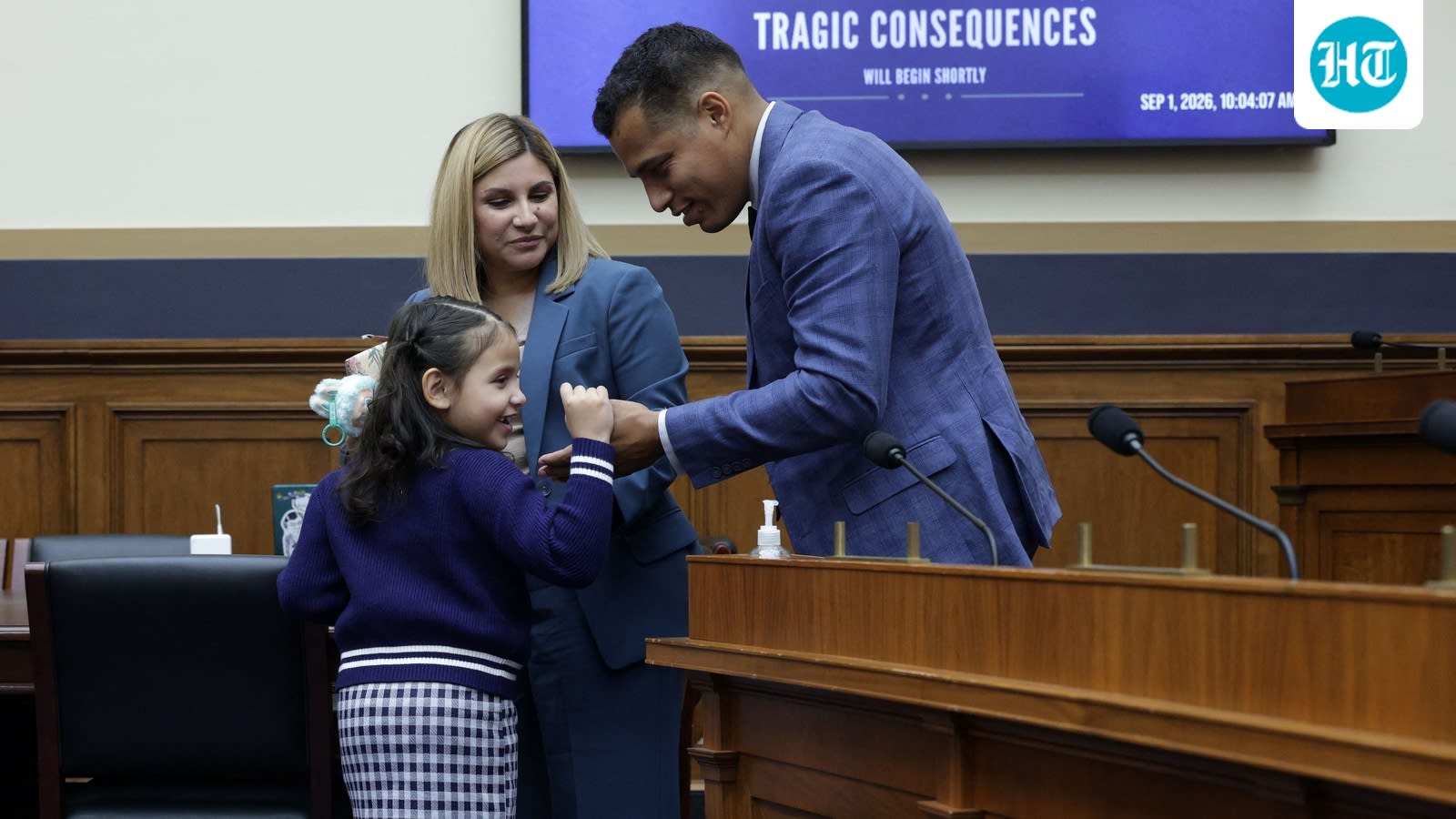
Marcus Coleman testified before Congress regarding the permanent injuries his daughter, Dalilah, sustained in a 2024 California crash involving an undocumented immigrant. The hearing highlighted the family's ongoing medical struggles and underscored a contentious debate over immigration policy and public safety.
The Tragic Case of Dalilah Coleman and the Immigration Debate
An Emotional Testimony Before Congress
In a poignant and highly charged session before the House Judiciary Subcommittee on Immigration Integrity, Security, and Enforcement, Marcus Coleman provided a harrowing account of the 2024 Southern California multi-car crash that irrevocably altered his family's trajectory. His daughter, Dalilah Coleman, sustained life-changing, permanent disabilities as a result of the collision, which involved a truck driver who was in the country illegally. The testimony served as a visceral reminder of the human cost associated with immigration policy failures, shifting the discourse from abstract legislative debates to the tangible, lifelong suffering of a specific American family.
The Intersection of Public Safety and Policy
Marcus Coleman’s testimony was not merely a recounting of a traumatic event; it was a pointed accusation directed at lawmakers. Coleman argued that while politicians frequently offer public sympathy for victims of such accidents, there remains a fundamental failure to enact or enforce policies that might prevent these tragedies. By framing the incident as a failure of public safety rather than a singular, isolated accident, Coleman pushed the committee to confront the direct consequences of illegal immigration on the daily lives and physical security of California residents.
The Long-Term Burden of Care
Beyond the immediate tragedy of the crash, the analysis of this event must account for the grueling reality of long-term care. Coleman described the years of medical challenges his family has faced while navigating the complexities of caring for a child with permanent disabilities. This aspect of the testimony highlights the hidden economic and emotional toll on families who become victims of policy-related incidents, underscoring that the impact of such crashes extends far beyond the moment of impact and into the permanent restructuring of the victim’s household.
Legislative Implications and Political Friction
This hearing underscores the intensifying scrutiny of immigration enforcement protocols, particularly regarding the vetting and monitoring of drivers in the United States. The presence of a family directly impacted by a collision involving an undocumented immigrant provides a powerful narrative tool for proponents of stricter border security and interior enforcement. The legislative focus on the House Judiciary Subcommittee suggests that the Coleman case will likely be used as a catalyst for future debates regarding the legal status of individuals involved in major infrastructure and traffic-related incidents.
Broader Trends in Congressional Oversight
Looking forward, this case indicates a trend in which personal, victim-centric testimony is increasingly utilized to drive legislative priorities. By bringing personal stories to the forefront, advocates and lawmakers alike are attempting to personalize the immigration debate, moving away from purely statistical arguments. The case of Dalilah Coleman serves as a case study in how individual tragedies are being leveraged to demand accountability and policy shifts at the federal level, ensuring that the debate over immigration remains firmly anchored in the conversation regarding public safety and national security.
Verification Required?